Tag

Cyanobacteria

All articles tagged with #cyanobacteria

Martian dust to dinner: microbes unlock soil-free farming on Mars
science19 days ago

Martian dust to dinner: microbes unlock soil-free farming on Mars

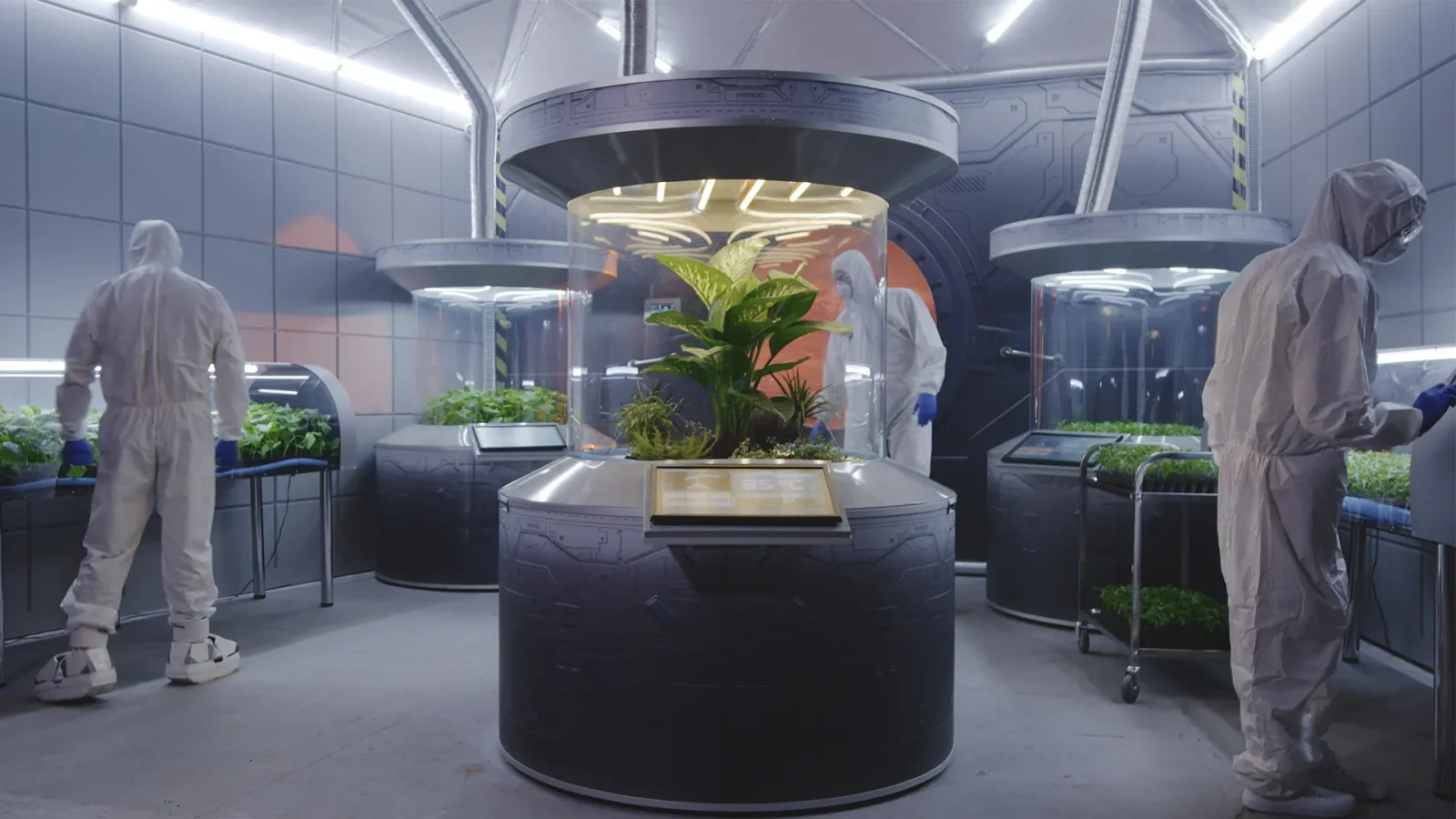
Researchers showed that one gram of dried cyanobacteria grown on Martian-like dust and CO2 can produce enough nutrients to grow about 27 grams of fresh duckweed, via anaerobic fermentation that also yields methane as a potential fuel, signaling a path to closed-loop, self-sustaining farming for Mars—though experiments have been conducted under Earth-like conditions.

Desert Sand to Fertile Soil in Months: Lab-Grown Microbes Build a Stable Crust
environment1 month ago

Desert Sand to Fertile Soil in Months: Lab-Grown Microbes Build a Stable Crust

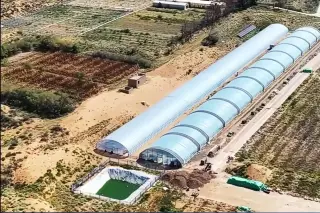
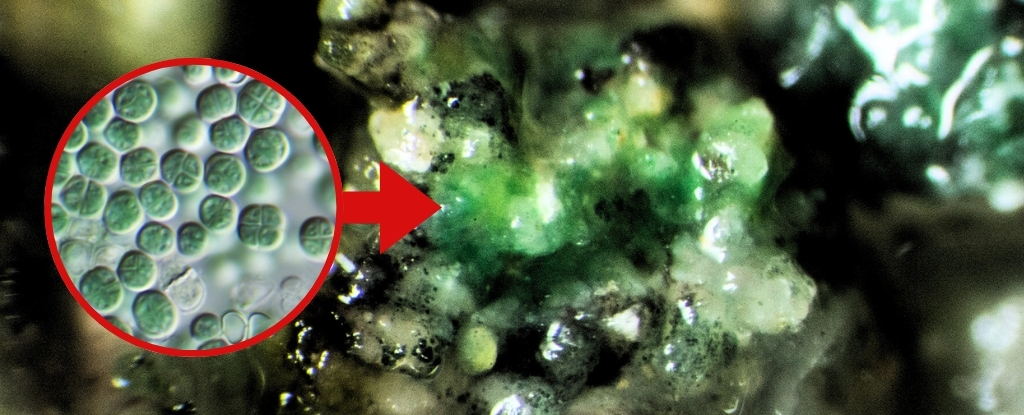
Scientists in China used lab-grown cyanobacteria to bind loose desert sand into a thin, stable crust within about 10–16 months, creating a surface that holds moisture and nutrients and supports seedling growth. This speeds desert restoration from decades to years and could reduce wind-driven erosion, but scaling the method beyond test plots faces challenges such as site selection, local microbe suitability, and protection from traffic; long-term monitoring is needed and crusts cannot solve problems like overgrazing or water mismanagement.

Bio-Printed, Self-Healing Building Material That Grows and Captures Carbon
science1 month ago

Bio-Printed, Self-Healing Building Material That Grows and Captures Carbon

Scientists have created a 3D-printed hydrogel embedded with cyanobacteria that can grow, sequester CO2, and precipitate calcium carbonate to potentially reinforce structures. Lab data over 400 days show cumulative CO2 capture of 26 ± 7 mg per gram of hydrogel (with 2.2 ± 0.9 mg/g in the first 30 days); the material remains viable under light and nutrient conditions and can be printed for architectural scale. An installation at the Venice Biennale demonstrates the concept in practice, but the researchers caution that at current scales the climate impact is uncertain and long-term (decades) performance remains to be proven, with the material’s efficiency limited by light access and maintenance needs.

Ancient cave microbes in New Mexico thrive on unseen light
science1 month ago

Ancient cave microbes in New Mexico thrive on unseen light

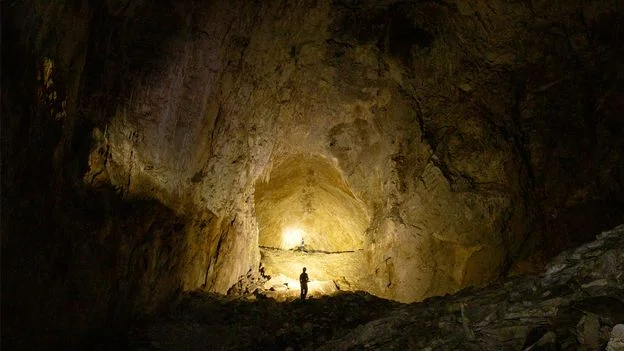
Microbes in Carlsbad Caverns toes the line between geology and biology, as cyanobacteria living on cave walls photosynthesize using near-infrared light that human eyes can’t see; the reflected light concentrates far from entrances, suggesting life could persist in ultra-dark, light-limited environments and offering clues for detecting life on other worlds, potentially guiding NASA’s future research with the James Webb Space Telescope.

Cave cyanobacteria harness near-infrared light, expanding the search for life in the cosmos
science2 months ago

Cave cyanobacteria harness near-infrared light, expanding the search for life in the cosmos

Scientists exploring Carlsbad Caverns in New Mexico found cyanobacteria on cave walls that can photosynthesize using near-infrared light thanks to chlorophyll d and f, enabling energy capture in darkness and in cave zones possibly untouched for about 49 million years. This widens the known range of photosynthesis, implying red-dwarf–type stars could host life and helping to refine the search for habitable exoplanets with JWST by focusing on longer wavelengths and lower light levels where oxygen could signal life.

Winter Green Ice: Cyanobacteria Signal Climate Shifts at Lake Lipno
environment2 months ago

Winter Green Ice: Cyanobacteria Signal Climate Shifts at Lake Lipno

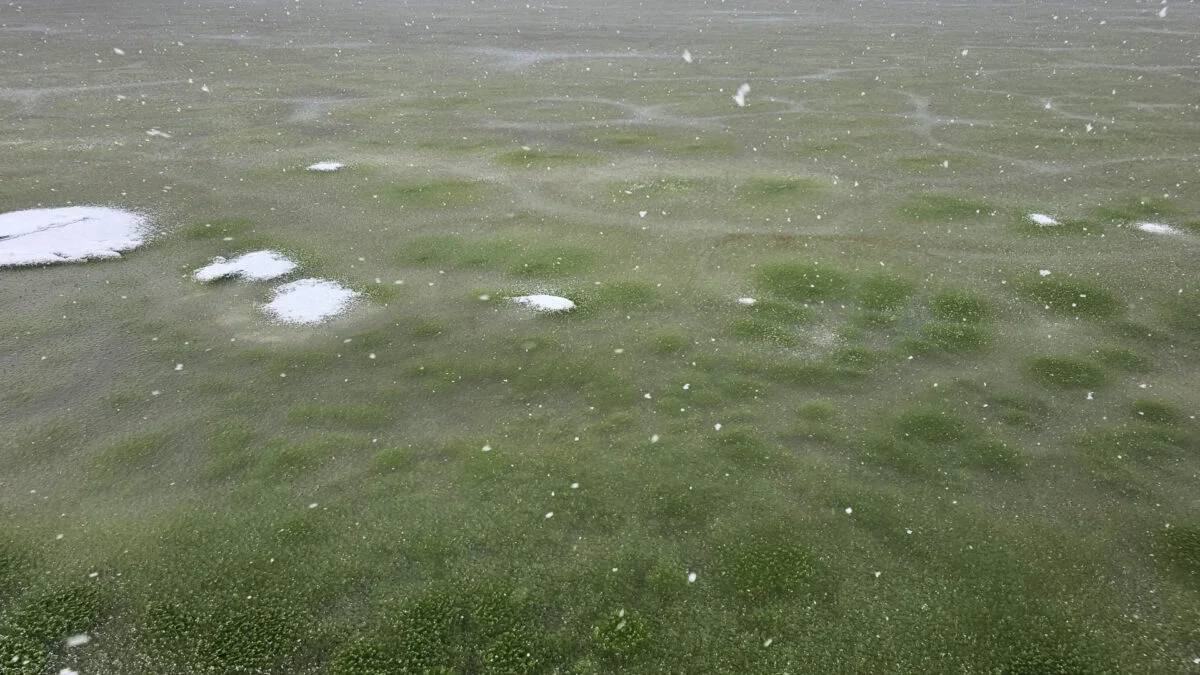
Green patches on Lake Lipno’s ice were caused by winter cyanobacteria blooms, an unusual sign of nutrient pollution and a warming climate. Researchers documented cyanobacterial eyes and explained the blooms persisted into December before dissipating after heavy snowfall, warning that such green ice could become more common as eutrophication and climate change reshape ecosystems.

Earth's Hidden Chemistry Unlocks Breath of Life
science5 months ago

Earth's Hidden Chemistry Unlocks Breath of Life

New research suggests that the delayed rise of oxygen in Earth's atmosphere was controlled by the levels of nickel and urea, which initially limited cyanobacterial growth. As these compounds declined, cyanobacteria proliferated, releasing oxygen and triggering the Great Oxidation Event, a key step in making Earth habitable and providing insights for life beyond Earth.

Scientists Develop Photosynthetic Material to Remove CO2 from Atmosphere
science9 months ago

Scientists Develop Photosynthetic Material to Remove CO2 from Atmosphere

Scientists in Switzerland have developed a 3D-printed, photosynthetic 'living' material containing blue-green algae that can convert CO2 into oxygen, sugars, and solid minerals like limestone, potentially serving as a sustainable building material that helps fight climate change by sequestering carbon directly from the atmosphere.