
Post-Training Vagus Nerve Stimulation Enhances Long-Term Motor Skill Retention in Mice
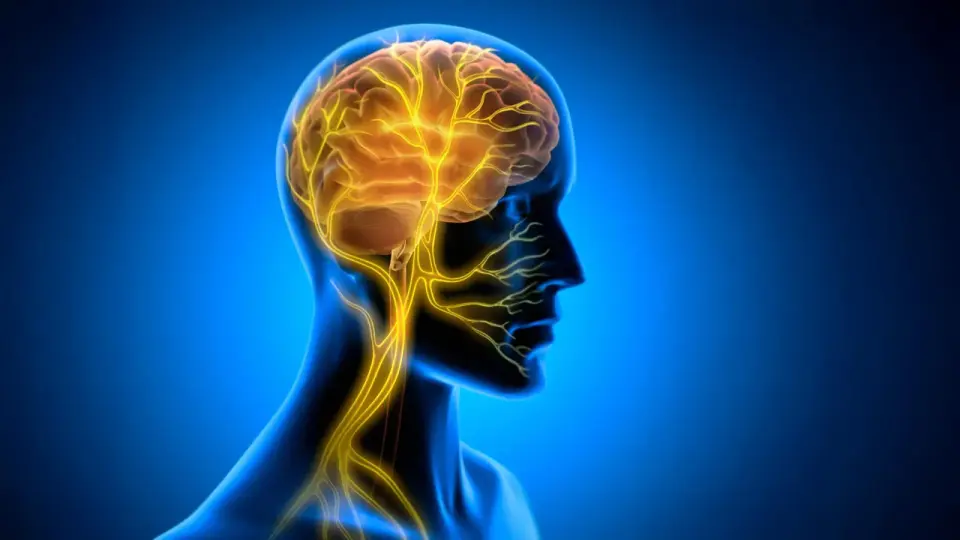
Researchers at Tohoku University have demonstrated that stimulating the vagus nerve after a training session can significantly improve long-term motor skill retention in mice. Published in iScience on August 25, 2026, the study indicates that this stimulation does not boost immediate performance but instead facilitates the consolidation of learning into durable memory. The mechanism appears to involve rhythmic changes in blood volume within the brain, specifically near the cerebellar flocculus, which may create a more receptive environment for neural plasticity.
Key points
- The study utilized a small cuff electrode attached to the left cervical vagus nerve in mice to test effects on horizontal optokinetic response (HOKR) learning, a cerebellum-dependent eye movement task.
- Vagus nerve stimulation (VNS) was applied only after training sessions, not during the learning task itself, resulting in no immediate improvement in performance but stronger learning outcomes on subsequent days.
- Researchers observed a two-phase vascular response in the brain, where local blood volume briefly decreased before rising, and repeated stimulation created rhythmic oscillations in blood volume.
- Mice exhibiting larger blood volume oscillations generally demonstrated better learning by Day 5, suggesting a link between vascular rhythms and long-term memory consolidation.
- The findings highlight a previously overlooked role for body-to-brain communication via the vagus nerve in enhancing the durability of new skills, moving beyond traditional neuromodulation theories.
Background
This research builds upon earlier coverage from September 2026, which noted that post-training vagus nerve stimulation could strengthen long-term motor learning by altering the brain's vascular environment. While the current study provides detailed mechanistic insights regarding blood volume oscillations and the cerebellar flocculus, it confirms the earlier finding that the benefits of such stimulation manifest days after the initial training session rather than immediately. The study underscores the potential of leveraging body-brain communication pathways to enhance durable skill acquisition, although applicability to humans remains to be tested.
Why it matters
This research offers a new perspective on how learning becomes lasting, suggesting that the brain's metabolic and vascular environment plays a critical role in consolidating new skills. By identifying a 'hidden window of opportunity' for enhanced learning through vagus nerve stimulation, these findings could lead to future therapeutic applications for improving motor skill acquisition in clinical settings. Understanding the rhythmic vascular changes associated with learning may unlock capacities for enhanced neural plasticity that were previously latent, potentially benefiting patients with motor disorders or those seeking to optimize skill retention.
What to watch
Future research will focus on refining stimulation protocols to optimize the timing and intensity of vagus nerve stimulation for maximum learning benefits. Scientists aim to determine more precisely how communication between the brain and body supports long-term plasticity and how these vascular rhythms can be harnessed to enhance durable skill learning. The next steps involve translating these findings from mouse models to human subjects to assess the feasibility and efficacy of vagus nerve stimulation as a tool for improving long-term memory and motor skill retention.
Want the full story? Read the original reporting
Read on ScienceDaily