
SpaceX attempts first full orbital rocket recovery; Rocket Lab marks 100th launch
SpaceX prepares for a historic Starship test flight aiming to fully recover both stages, while Rocket Lab celebrates its 100th launch. The US government is injecting capital into competitors to mitigate risks from SpaceX's shifting focus, and new multi-launch contracts are reshaping the commercial space market.
Key points
- SpaceX's Starship Flight 15 aims to be the first orbital launch system fully recovered, with a 22.5-hour orbital mission to deploy 26 Starlink satellites before a mid-air catch of the upper stage.
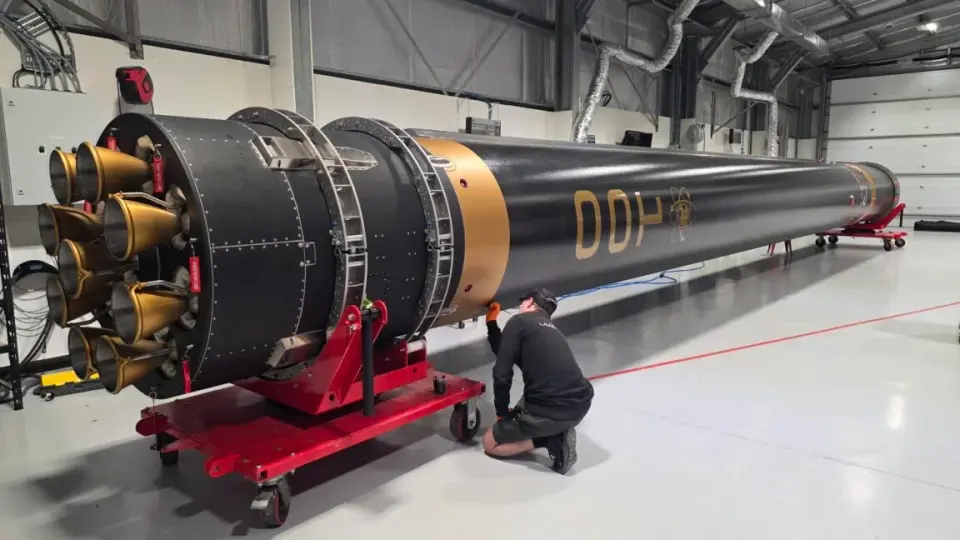
- Rocket Lab's Electron rocket will launch its 100th mission on November 14, delivering a synthetic aperture radar satellite and marking a milestone for the company's commercial success.
- The US Pentagon has issued $150 million conditional loans to both Stoke Space and Rocket Lab to support new launch pads and increased flight rates, responding to concerns over SpaceX winding down its Falcon program.
- Firefly Aerospace signed a multi-launch agreement with Synspective for up to 10 Alpha rocket launches through 2030, while Stoke Space and Planet Labs announced a new multi-launch partnership.
- Rocket Lab increased the price of a dedicated Neutron rocket from $55 million to $70 million, citing strong demand and a constrained launch market, with future bookings now extending into the 2030s.
- SpaceX executives have rebranded the company as an 'infrastructure' provider, emphasizing AI and data alongside traditional rocket development, while AST SpaceMobile's CEO outlined plans for a simple, reusable Blacklift rocket tailored for its Bluebird satellites.
Background
Recent archive coverage from late October and early November 2026 highlighted SpaceX's completion of static fire tests for Starship Flight 15 and the specific risks associated with the upper stage recovery, including potential engine failures and heat shield challenges. Earlier reports also noted the option for SpaceX to splash down the upper stage in the ocean if safety checks failed, underscoring the experimental nature of the upcoming full recovery attempt.
Why it matters
The potential success of Starship Flight 15 would mark a pivotal shift in spaceflight economics, drastically reducing launch costs and accelerating timelines for lunar and Mars missions. Simultaneously, the Pentagon's financial support for competitors and the rising prices for medium-lift rockets like Neutron indicate a tightening launch market, driven by SpaceX's strategic pivot toward AI and infrastructure. These developments suggest a more diversified but highly competitive commercial space sector, where rapid reusability and government backing are becoming critical for market stability.
What to watch
SpaceX is scheduled to launch Starship Flight 15 on November 13, with a 75-minute launch window opening at 4:45 p.m. CT. The upper stage is expected to land approximately 22.5 hours later. Rocket Lab's 100th Electron launch is set for November 14. In the near term, Firefly Aerospace is focused on qualifying its Miranda engine and composite tanks for the Eclipse rocket, with no direct launch date provided for 2027. The broader market will continue to monitor the impact of new Pentagon loans and multi-launch agreements on launch capacity and pricing.
Want the full story? Read the original reporting
Read on Ars Technica