
FAA Forecasts 4,300 US Launches by 2036 Amid Regulatory Shifts
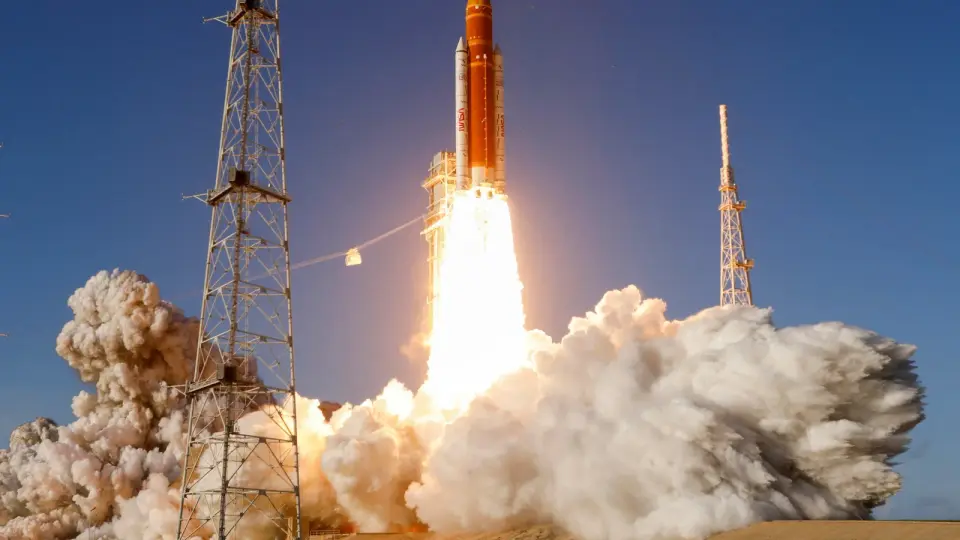
The Federal Aviation Administration projects nearly 4,300 commercial rocket launches in the US between fiscal 2026 and 2036, with annual flights rising from over 200 to more than 500. This surge is driven by NASA's Artemis lunar program, SpaceX's Starlink satellite deployments, and increased commercial activity. Florida and California have already set record launch totals, prompting the government to consider easing environmental regulations and utilizing offshore platforms to manage congestion.
Key points
- FAA 10-year forecast predicts nearly 4,300 launches from fiscal 2026 to 2036, with annual rates exceeding 500 by the end of the period.
- Florida recorded 109 launches in 2025; 2026 is on pace for 59 launches, with 52 from SpaceX and 5 from United Launch Alliance.
- California's Vandenberg Space Force Base hosted 71 launches in 2025 and is on track to exceed that record in 2026.
- NASA's Artemis program aims for a crewed lunar landing by 2028 and a $20 billion moon base by 2032, driving launch demand.
- The Department of Transportation proposed exempting commercial launches from certain environmental regulations to speed up licensing.
- The Interior Department is evaluating the conversion of inactive offshore oil platforms into launch pads to alleviate coastal congestion.
Background
Recent archive reports highlight growing concerns about space debris, including a SpaceX upper stage impacting the Moon and weekly re-entries of approximately one metric ton of debris. These issues underscore the environmental and safety implications of the increasing launch cadence predicted by the FAA.
How outlets are covering it
USA TODAY emphasizes the regulatory and infrastructure responses to the launch surge, noting the Trump administration's push to ease environmental rules and the potential use of offshore platforms. Florida Today and the Orlando Sentinel focus on the operational reality, detailing specific recent missions like the Nancy Grace Roman Space Telescope launch and Crew-13, while noting that 2026 launch numbers are currently below the 2025 record due to setbacks like the Blue Origin New Glenn explosion. The Sun Sentinel provides granular data on launch counts by provider, highlighting SpaceX's dominance with 52 of 59 Florida launches in 2026. While USA TODAY frames the surge as a positive industry expansion, critics cited in the same report argue that deregulation may compromise public safety and environmental protections.
Why it matters
The projected surge in launches will significantly impact airspace management, environmental regulations, and the global space economy. The shift toward commercial providers and potential offshore launches could reshape the US space industry's infrastructure and international standing, particularly in the race against China for lunar exploration. Additionally, increased launch frequency may exacerbate space debris issues, as noted in recent reports of debris re-entries and lunar impacts.
What to watch
The FAA is expected to finalize its 10-year forecast and regulatory proposals. The Department of Transportation may implement exemptions for commercial launch licensing. The Interior Department will issue a specific proposal for offshore launch pads after reviewing public comments. NASA aims to launch Artemis III in 2028, followed by Artemis IV for the first crewed lunar landing. Blue Origin and other companies are working to restore operations after recent setbacks, such as the New Glenn explosion.
- Rockets launch almost every day in the US. Here's why even more are ahead USA Today
- What’s launching from Florida this week? SpaceX rocket launch schedule Florida Today
- How SpaceX’s Launch Boom Is Reshaping Space Coast Nightlife Space Coast Daily
- Pictures: 52 Space Coast launches and counting in 2026 Orlando Sentinel
- Space Coast launch schedule: Sun Sentinel
Want the full story? Read the original reporting
Read on USA Today