
City Nights, Shooting Stars: Capturing the Lyrids with a Camera
TL;DR
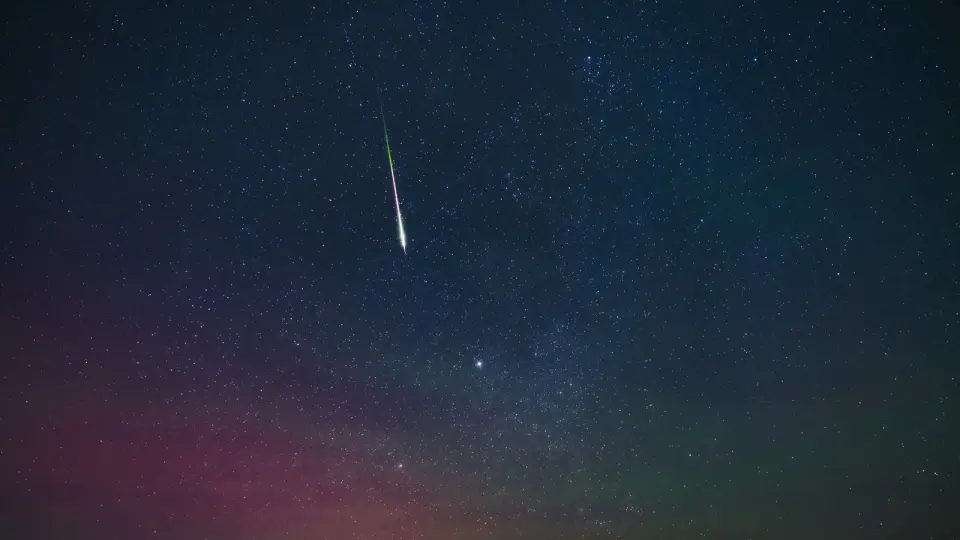
In light-polluted urban skies, the author explains how to watch and photograph the Lyrid meteor shower by combining patience with practical gear: set up a wide-angle lens (14–24mm), manually focus on a bright star, shoot 30-second RAW exposures at ISO 800–1600, and leave a camera outside overnight to stack occasional meteors; with a new Moon around April 17, skies can stay dark enough for faint fireballs, and the peak timing around April 21–22 (in 2026) provides two good windows (pre-dawn for North America, post-sunset for Europe), while noting that real-time viewing is best, photography can still yield striking results even from the city.
Topics:sciencespace#astronomy-tips#lyrid-meteor-shower#note-only-5-allowed-but-well-include-5#photography#space#stargazing-in-the-city#wide-angle-lens
- The Lyrids are coming! How I watch meteor showers from the middle of a city Space
- Lyrid Meteor Shower Begins Tonight — When To Get The Best View Forbes
- Lyrid meteor shower 2026: When and how to watch it this week BBC
- Lyrid meteor shower returns to Nevada. Here’s when it peaks Reno Gazette Journal
- The Lyrids meteor shower will soon put on a show. When to look up USA Today
Want the full story? Read the original reporting
Read on Space