
Ancient mammal kin laid eggs, fossil rewrites mammal origins
TL;DR
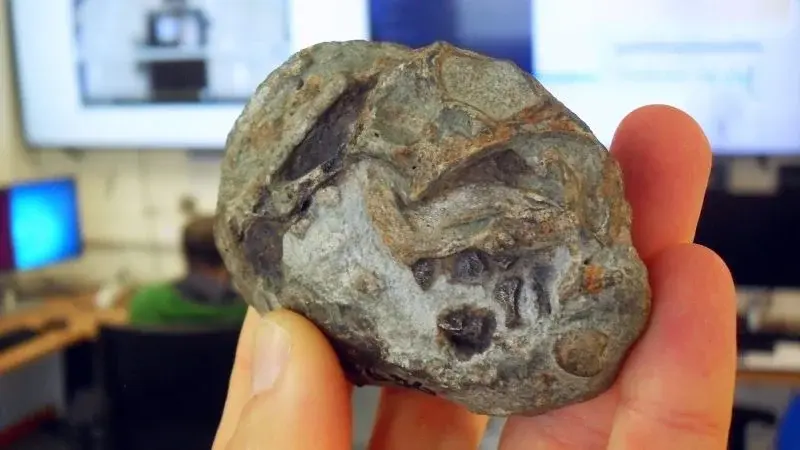
A 250-million-year-old Lystrosaurus embryo fossil provides the first direct evidence that mammal ancestors laid eggs. High‑resolution imaging shows the embryo’s jaws were not fully fused, indicating an egg inside the egg with a soft leathery shell, suggesting water‑conserving eggs helped this dry‑habitat survivor endure the Great Dying. The discovery offers clues about the evolution of lactation and live birth, and implies that hatchlings were relatively mature at hatching, aiding early mammal lineages before milk secretion became widespread.
- This 250-million-year-old fossil proves mammal ancestors laid eggs CNN
- 250-Million-Year-Old Embryonated Dicynodont Egg Found in South Africa Sci.News
- ‘Thrilling’ embryo fossil discovery upends everything we knew about how early mammals gave birth: ‘Breaks entirely new ground’ New York Post
- Mammal ancestors laid eggs, and this 250-million-year-old fossil finally proves it ScienceDaily
- Solid Proof That Our Mammal Ancestors Laid Eggs Nautilus | Science
Want the full story? Read the original reporting
Read on CNN