
SpaceX Aims for Historic Orbital Debut on Starship Flight 14
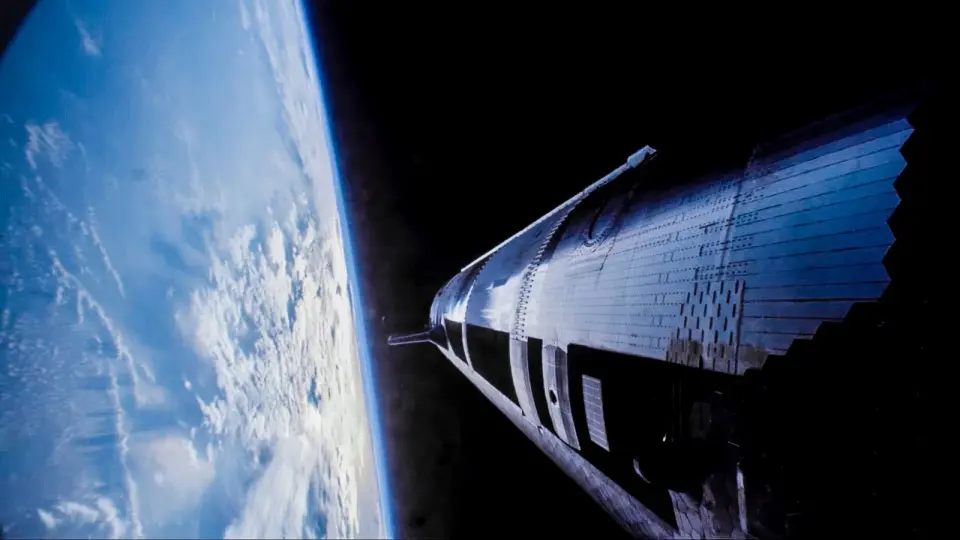
SpaceX is preparing for Starship Flight 14, the vehicle's first attempt to reach orbit, scheduled for September 28, 2026. The mission involves a 10-hour flight to an altitude of 170 miles, deploying 26 Starlink V3 satellites before splashing down in the Pacific. This launch is critical for validating the rocket's orbital capabilities and reusability, with hardware modifications addressing previous engine issues. Regulatory approval from the FAA is the final hurdle, following a successful wet dress rehearsal.
Key points
- Launch Target: September 28, 2026, from Starbase, Texas, within a 75-minute window starting at 8:15 a.m. EDT.
- Mission Profile: First orbital flight, reaching 170 miles (275 km) altitude, orbiting Earth six times over 10 hours.
- Payload: 26 operational Starlink Version 3 (V3) satellites, the first batch of over 100,000 planned upgrades.
- Hardware Updates: Super Heavy booster B21 includes filtering and software changes to ensure all 13 Raptor engines relight; Ship 41 reuses two heat shield tiles from the previous flight.
- Regulatory Status: FAA approval is pending; a temporary flight restriction is in place from September 23 to October 7.
- Significance: Critical for transitioning from Falcon 9 to Starship and supporting NASA's Artemis 3 lunar mission.
Background
Starship has completed 13 suborbital test flights since its inception, with the most recent in July 2026 successfully deploying 20 satellites but suffering a booster explosion due to engine relight failures. Previous orbital target dates, including September 22, slipped due to technical and regulatory delays. The current flight represents a pivotal shift from suborbital testing to full orbital operations, aiming to validate the vehicle's potential for high-cadacity satellite deployment and human spaceflight.
How outlets are covering it
Space.com emphasizes the historic nature of the first orbital attempt and the specific mission parameters, including the 10-hour duration and satellite deployment. Spaceflight Now focuses on the logistical details, such as the stacking of Ship 41 and booster B21, the wet dress rehearsal, and the FAA's temporary flight restrictions. Futurism highlights the broader implications for SpaceX's business model, noting the potential to phase out Falcon 9 and the critical importance of this flight for NASA's Artemis 3 mission, while also noting the hardware modifications made to address previous failures.
Why it matters
Success in Flight 14 is a prerequisite for SpaceX to achieve its goal of fully reusable, high-frequency orbital launches. It validates the Starship platform's ability to carry heavy payloads like Starlink V3 satellites and is a key milestone for NASA's Artemis program, which relies on Starship for lunar landings. A failure could delay the transition away from Falcon 9 and impact the timeline for human spaceflight missions.
What to watch
SpaceX awaits final FAA approval for the September 28 launch. If approved, the flight will proceed with the deployment of 26 Starlink V3 satellites. The outcome will determine the next steps for Starship's development, including potential in-orbit refueling tests and the timeline for Artemis 3. The company may also adjust its Falcon 9 retirement plans based on the success of this orbital debut.
- Will SpaceX's Starship finally make it to orbit? We're about to find out space.com
- SpaceX’s Starship Ushers In an Era of More Junk in Orbit bloomberg.com
- SpaceX stack Starship and Super Heavy for first orbital flight Spaceflight Now
- SpaceX Preparing for Most Important Launch in Company History on Monday Futurism
- SpaceX Preps For 'Milestone' Starship Flight 14; NASA Updates ISS Mission Timing Investor's Business Daily
Want the full story? Read the original reporting
Read on space.com