
Air-Breathing Plasma Engine Could Keep Satellites Aloft in Thin Air
TL;DR
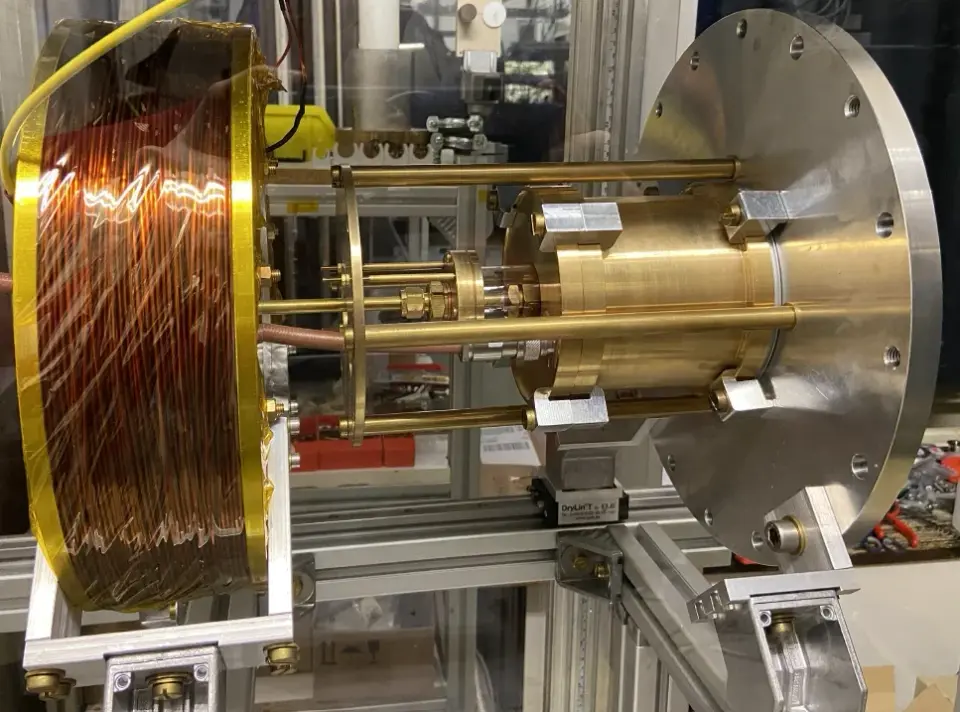
University of Stuttgart researchers propose an Atmosphere-Breathing Electric Propulsion (ABEP) system that uses ambient air as fuel for a RF helicon plasma thruster to sustain Very Low Earth Orbit satellites without frequent refueling. The team tested three air-intake designs, with a specular intake achieving ~94% particle capture, and an MRI-inspired birdcage antenna delivering power efficiently. In vacuum tests at 50–60W RF power, the thruster showed reliability; models suggest operation between 190–250 km with under 1.6 kW, and potential Mars-atmosphere use. Challenges include atomic oxygen corrosion and atmospheric variability, and the concept is not yet mission-ready.
Topics:sciencetechnology#atmosphere-breathing-propulsion#low-earth-orbit#plasma-propulsion-efficiency#rf-helicon-plasma-thruster#specular-intake#technology
A New Design For A Plasma Engine Fuels On Only Thin Air Universe Today
Want the full story? Read the original reporting
Read on Universe Today