
Erin Kennedy’s Hackaday Europe Talk: Engineering Robots for Beaches, Water, and Wind
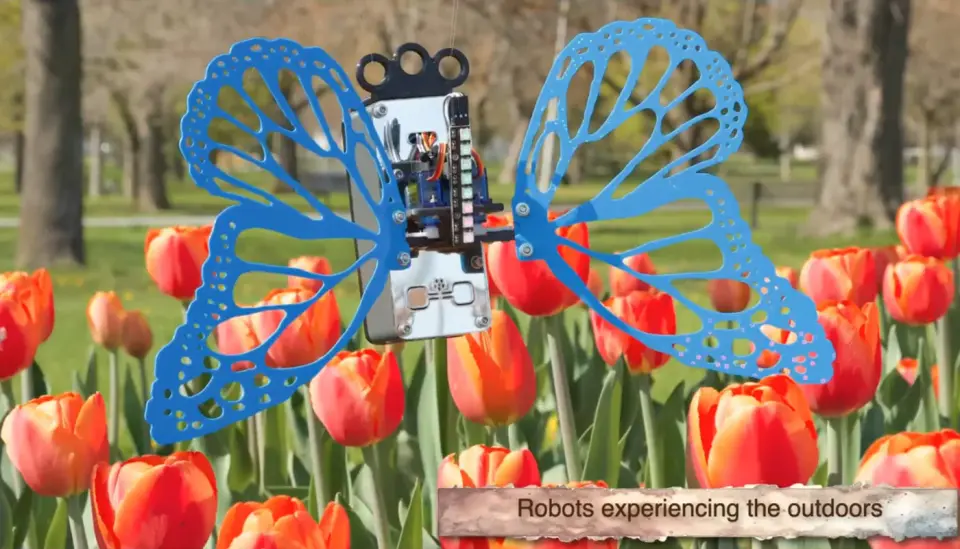
Erin Kennedy presented a decade of experience designing small robots for outdoor environments at Hackaday Europe 2026. She detailed practical strategies for protecting hardware from sand, water pressure, and wind, highlighting projects like a beach-cleaning bot and an underwater urchin catcher. The talk emphasized that moving projects from labs to parks requires robust design, aesthetic appeal, and an acceptance of unpredictable natural and human interactions.
Key points
- Kennedy focused on the challenges of deploying robots in non-laboratory settings, specifically beaches, underwater, and windy areas.
- For beach environments, she recommended keeping motors elevated, moving slowly, and designing bodies with holes to shed sand.
- Her underwater project, Otter Force One, targets invasive sea urchins and uses double-o-ring cable glands potted with marine epoxy to manage pressure and water ingress.
- Long-term underwater issues include rubber degradation, barnacle accumulation, and silt affecting center of gravity, requiring double seals and bright colors for visibility.
- Wind-powered bots, such as the Atmosphinder, use sails for propulsion but require staking mechanisms because wind cannot be turned off like a motor.
- Kennedy advised that making robots appear friendly or beautiful helps normalize public interaction, leading to positive encounters in parks.
Background
This event follows a broader trend of outdoor-focused innovation, including recent showcases of rugged cycling gear and outdoor activities in Chicago. While previous coverage highlighted consumer electronics like the Honor Robot Phone and outdoor retail sales, Kennedy’s talk shifts focus to the engineering challenges of deploying custom hardware in uncontrolled natural environments. The archive does not contain prior coverage of Kennedy’s specific work, but it reflects a growing interest in outdoor gear and activities that intersect with technology.
Why it matters
The talk provides actionable engineering insights for makers attempting to deploy robots outside controlled lab settings. By addressing specific environmental hazards like sand abrasion, water pressure, and wind instability, Kennedy offers a framework for designing durable, low-cost robots. This is significant for the maker community as it bridges the gap between theoretical prototypes and real-world deployment, emphasizing the importance of aesthetics and public interaction in normalizing robotics in everyday spaces.
What to watch
Attendees are encouraged to watch the full talk to gain inspiration for building their own outdoor robots. The community may see an increase in projects using 3D-printed parts and cheap geared motors to create wind-powered or water-resistant bots. Future developments could include more public demonstrations of these robots in parks, further normalizing their presence among the general public.
Want the full story? Read the original reporting
Read on Hackaday