
SpaceX demands open orbital data after 164,000 Starlink near-misses
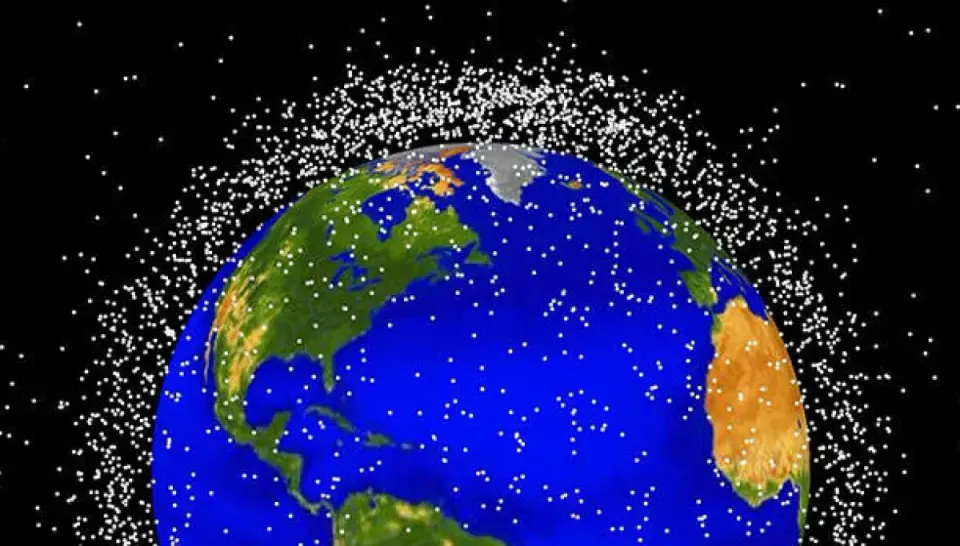
SpaceX has publicly criticized rival satellite operators for failing to share trajectory data, citing 164,000 potential collisions in six months. The company argues that undisclosed maneuvers pose the greatest risk in low Earth orbit and is urging the industry to adopt open ephemeris sharing to prevent catastrophic debris cascades.
Key points
- SpaceX reported approximately 164,000 potential near-miss collisions involving its 11,000-satellite Starlink network over the past six months.
- The company states that about half of these close encounters involved satellites that did not share their position or planned maneuvers.
- SpaceX highlighted two specific incidents: an August near-miss at 134 meters and an October 2025 event at 57 meters, both involving unexpected trajectory changes by other operators.
- Starlink is promoting its free space-safety.com platform, which allows operators to view and contribute high-accuracy ephemeris data for all satellites.
- The company argues that sharing predicted trajectories and engine burns is essential for autonomous collision avoidance, as it cannot mitigate risks from unannounced maneuvers.
Background
This safety push follows recent Starship orbital test flights that deployed new Starlink V3 satellites. It also comes amid broader industry concerns about orbital debris, including earlier reports of Russian Rassvet satellite failures and SpaceX's previous moves to reposition thousands of satellites to reduce collision risks.
How outlets are covering it
Business Insider and The Register emphasize the specific dangers of undisclosed maneuvers, noting that many close encounters involved Chinese satellites. TeslaNorth.com highlights the technical solution, focusing on the open ephemeris data system. WESH provides a broader context, comparing orbital traffic to a busy highway and noting SpaceX's recent shift away from Falcon 9 launches in Florida.
Why it matters
As satellite constellations expand toward hundreds of thousands of units, the lack of shared trajectory data increases the risk of a Kessler syndrome, where a chain reaction of collisions could render low Earth orbit unusable for future space activities.
What to watch
SpaceX expects other operators to adopt its open data standards. The company is also preparing for the deployment of larger V3 satellites and has announced plans for a million-satellite AI constellation, which will require even stricter collision avoidance protocols.
- Starlink's plan to avoid orbital near-misses: Ephemeris sharing The Register
- SpaceX is calling out other satellite operators for nearly crashing into Starlink Business Insider
- Starlink Calls Undisclosed Maneuvers Biggest Risk for 11,000 Satellites TeslaNorth.com
- SpaceX warns of collision risk as satellites begin to crowd Earth's orbit WESH
- SpaceX reveals hundreds of Starlink near misses annually Aerospace Global News
Want the full story? Read the original reporting
Read on The Register