
SpaceX Launches Starship Flight 14 to Achieve First Orbital Insertion
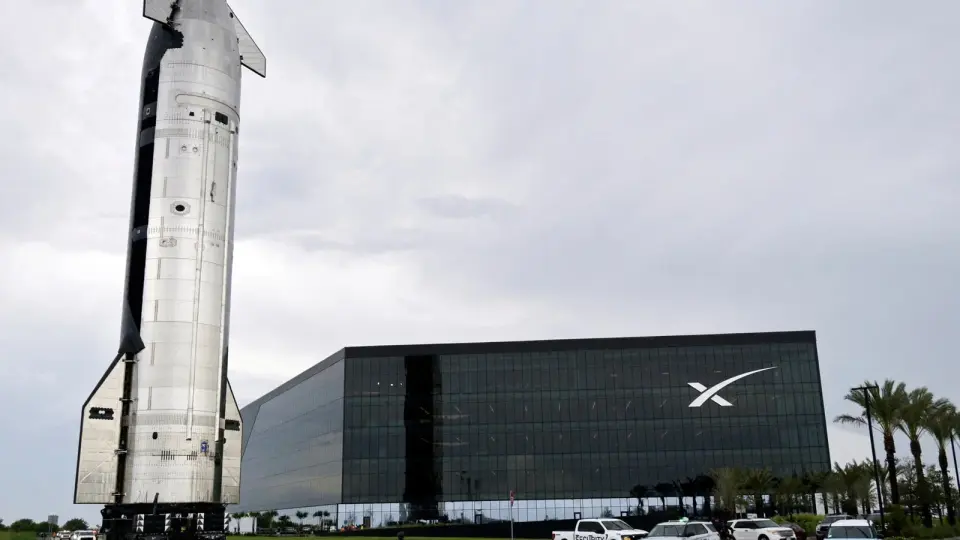
SpaceX is set to launch its Starship rocket on September 28, 2026, marking the first attempt to reach Earth orbit. The mission, designated Flight 14, aims to deploy 26 new Starlink V3 satellites and complete six orbits over approximately 10 hours. The Federal Aviation Administration granted launch authorization on September 26. While previous 13 test flights were suborbital, this mission tests critical reusability and orbital insertion capabilities. Success could accelerate SpaceX's plans for lunar missions and AI satellite deployment, though engineering risks remain high.
Key points
- Launch window opens at 8:15 a.m. ET from Starbase, Texas, with a 75-minute duration.
- The mission deploys 26 Starlink V3 satellites, which feature enhanced power and data transmission capabilities.
- The upper stage will orbit Earth six times before a planned splashdown in the Pacific Ocean off Chile.
- The Super Heavy booster will attempt a controlled splashdown in the Gulf of Mexico, not a tower catch.
- FAA authorized the launch and reentry operations on September 26, 2026.
- Three satellites carry cameras to monitor the heat shield tiles during deployment.
Background
SpaceX previously targeted September 22 for this orbital debut but delayed the mission to September 28 to finalize regulatory approvals and hardware adjustments. Earlier tests focused on suborbital trajectories, with Flight 13 in July revealing engine relight issues that prompted software and hardware fixes. The company has been preparing Starship for a NASA lunar mission and has expressed confidence in the current V3 design's full reusability potential.
How outlets are covering it
CNBC emphasizes the commercial significance, noting Starlink is SpaceX's only profitable segment and that the company values at $2 trillion. CNN highlights the increased risks of orbital flight, including potential debris collisions and the loss of suborbital safety nets. Spaceflight Now provides technical details on the launch sequence, noting the 25-minute delay before orbital insertion burn and the 30-minute satellite deployment window. All sources agree on the launch date and the deployment of 26 Starlink V3 satellites, but differ in focus: CNBC on business impact, CNN on safety and engineering challenges, and Spaceflight Now on operational specifics.
Why it matters
This launch marks a pivotal transition from test flights to operational orbital capability for Starship. Success could enable SpaceX to scale its Starlink network, which currently has 11,000 active satellites, and fulfill its NASA contract for lunar missions. It also tests the feasibility of fully reusable rockets, which could drastically reduce launch costs and reshape the space industry. Failure could delay critical milestones and raise concerns about orbital debris risks.
What to watch
SpaceX may attempt to catch the upper stage during the 15th flight test if this mission succeeds. The company plans to expand launch operations to Florida and Louisiana, aiming for up to 30 Starship flights per day. Future missions will test in-orbit refueling for lunar missions and the deployment of AI compute satellites by 2027. SpaceX also intends to wind down Falcon 9 launches as Starship becomes operational.
- SpaceX prepares to send Starship rocket to orbit for first time CNBC
- The most powerful rocket ever built is on the verge of its biggest — and riskiest — test yet CNN
- SpaceX’s Starship Is Set to Make Its First Orbital Flight The New York Times
- Live coverage: SpaceX to launch first Starlink V3 satellites to orbit on Starship Spaceflight Now
- SpaceX's Starship megarocket launching to orbit for 1st time ever on Sept. 28: Watch it live Space
Want the full story? Read the original reporting
Read on CNBC