
Ladakh’s Young Women Turn Dark Skies into Economic Independence
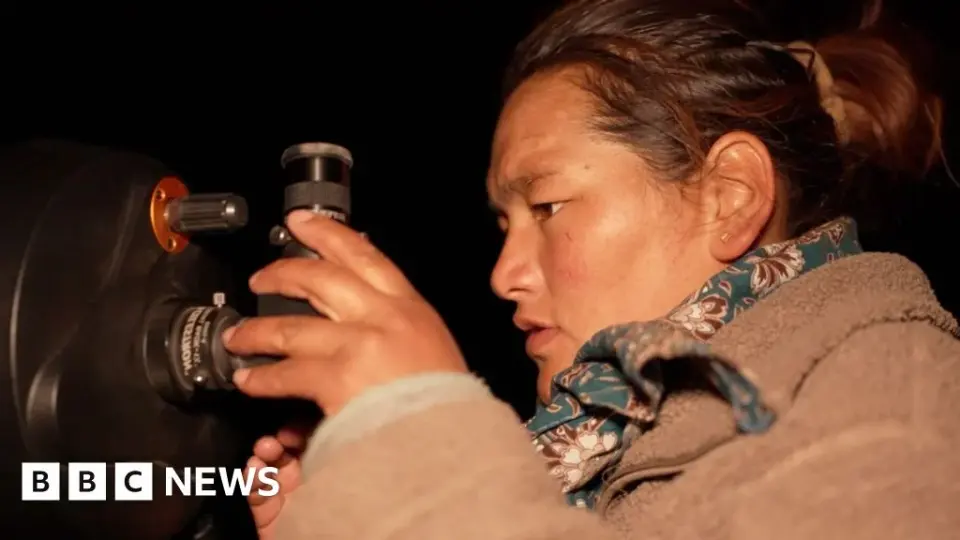
Four young women in Hanle, India, have become professional astronomy guides, leveraging the village's status as a Dark Sky Reserve to earn income and gain independence. Their work highlights how sustainable tourism can empower locals while raising concerns about preserving the pristine night skies that attract visitors.
Key points
- Palzes Angmo, Tsering Dolker, Tsering Yangdol, and Padma Chamchot are late-20s women trained as 'astro-ambassadors' to guide tourists through Hanle's night sky.
- Hanle, located at 4,500 meters in Ladakh, was designated India's first Dark Sky Reserve in 2022, offering clear skies for approximately 260 nights annually.
- Visitor numbers to the region surged from around 3,000 five years ago to nearly 30,000 in 2024-25, driven by social media and the presence of the Indian Astronomical Observatory.
- The women earn approximately 25,000 rupees monthly by charging 200 rupees per session, providing financial independence from their family-run homestays.
- While tourism boosts local livelihoods, increased construction and artificial light pose risks to the darkness that makes Hanle unique, requiring careful management.
Background
This story follows broader trends in astronomy tourism and the global effort to protect dark sky environments. Recent coverage has highlighted the growing interest in celestial observation, such as detailed night-sky guides for 2026 and award-winning astrophotography projects that emphasize the value of unpolluted skies. In India, cultural and political dynamics have also shaped public events, as seen in recent sports ceremonies, but this story focuses on the quiet economic and environmental shifts in remote Ladakh.
Why it matters
The success of Hanle's astro-ambassadors demonstrates how environmental conservation can directly translate into economic empowerment for marginalized communities. However, it also illustrates the delicate balance between development and preservation, as unchecked tourism threatens the very natural asset that drives the local economy.
What to watch
The women hope for advanced training and better telescopes to enhance visitor experiences. Local authorities and scientists must manage tourism growth to prevent light pollution from degrading Hanle's status as a Dark Sky Reserve, ensuring long-term sustainability for both the community and the astronomical site.
Want the full story? Read the original reporting
Read on bbc.com