
Study Finds 75% of Deceased Ex-NFL Players Had CTE, Far Higher Than General Population
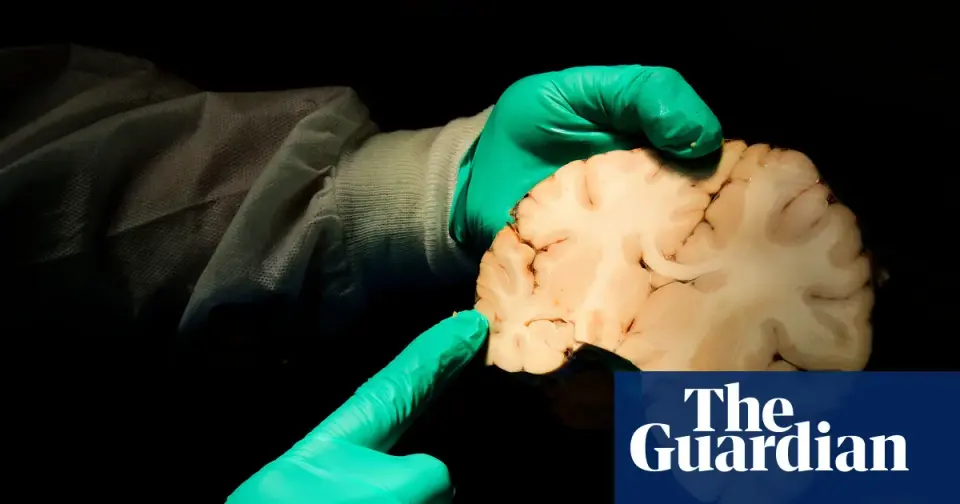
A new study estimates that 75% of former NFL players who died between 2008 and 2023 had chronic traumatic encephalopathy (CTE), a rate far exceeding the general population. While 93.5% of brain donors showed the disease, researchers adjusted for donation bias to reach the 75% figure. The study also links 27% of these players to dementia, though experts caution that CTE does not always cause symptoms and that current safety rules may reduce risk for younger generations.
Key points
- A Boston University study published in JAMA Network Open estimates 74.5% of deceased former NFL players (2008-2023) had CTE.
- The analysis covered 2,362 deceased players, with 396 donating their brains; 93.5% of donors showed CTE evidence.
- Researchers adjusted for selection bias, noting families of symptomatic players were five times more likely to donate brains.
- The study estimates 27.2% of these players suffered from dementia, a rate four times higher than the general population.
- Experts emphasize that CTE presence does not guarantee symptoms, and current safety measures may lower risk for recent players.
Background
This follows an August 2026 study estimating 25% to 98% of ex-NFL players who died between 2016 and 2021 had CTE. The new research aims to provide a more precise estimate by adjusting for donation bias. Previous high-profile cases, including Junior Seau and Aaron Hernandez, highlighted the link between CTE and suicide or behavioral issues. The NFL has implemented safety initiatives like 'Play Safe, Play Smart' and Guardian Caps to reduce head impacts.
How outlets are covering it
The Guardian and ABC News highlight the 75% figure as a stark public health crisis, emphasizing the gap between CTE prevalence in ex-players and the general population (less than 1%). CNN notes the study’s methodological improvements in accounting for donation bias but raises concerns about the accuracy of the math. CBS News features experts like Dr. Jon LaPook and Dr. Kristen Dams-O'Connor, who caution that the 75% figure may overestimate risk for living players and that current safety rules could reduce CTE rates in younger generations. The NFL and NFLPA responded by emphasizing their commitment to player safety resources and research, while critics like Dr. Julie Stamm called for stricter youth practice rules to reduce lifetime head impacts.
Why it matters
The study underscores the long-term neurological risks of professional football, potentially influencing policy on player safety, youth sports practices, and medical research into CTE diagnosis and treatment. It highlights the need for better biomarkers to detect CTE during life, as current diagnosis is only possible post-mortem.
What to watch
Researchers aim to develop diagnostic tools for living patients and clinical trials for CTE treatments. The NFL and NFLPA are expected to continue investing in player safety resources and mental health support. Experts call for more long-term studies to track biomarker changes and early warning signs, such as changes in instrumental activities of daily living, to improve early detection and intervention.
- New study estimates 75% of deceased ex-NFL players had brain disease CTE The Guardian
- New study suggests 3 in 4 former NFL players who died from 2008 to 2023 had CTE CNN
- Experts weigh in on study estimating 75% of NFL players who died in recent years had signs of CTE CBS News
- Brain Disease Is Pervasive in N.F.L., New Estimate Suggests The New York Times
- New study estimates about 3 in 4 former NFL players had CTE ABC News - Breaking News, Latest News and Videos
Want the full story? Read the original reporting
Read on The Guardian