
House Recess and Internal Divisions Stall Senate's College Sports Bill
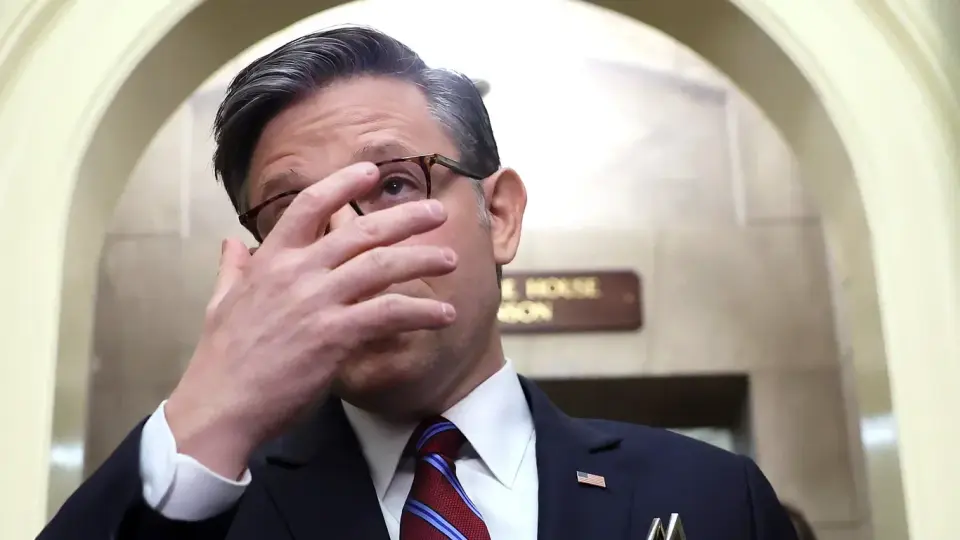
The Protect College Sports Act passed the Senate 77-22 but faces significant hurdles in the House due to recess, partisan disagreements, and opposition from the Congressional Black Caucus.
Key points
- The Senate approved the bill with a 77-22 vote, establishing federal rules for athlete compensation, transfers, and media rights.
- The House is currently in recess until after the November midterm elections, creating a narrow window for passage.
- The Congressional Black Caucus opposes the bill, citing concerns about the exploitation of Black athletes.
- Some conservative Republicans want to add restrictions on foreign athletes, which could break the bipartisan coalition.
- President Trump has publicly backed the legislation and urged quick action, but House leaders are hesitant to return early.
Background
Previous coverage noted that the Senate passed the bill with a limited antitrust exemption for the NCAA and specific rules on conference realignment. The legislation aims to create a unified national framework to replace the current patchwork of state regulations and address the instability caused by name, image, and likeness (NIL) deals.
How outlets are covering it
Axio highlights that House leadership is reluctant to bring lawmakers back from the campaign trail, citing the potential for floor drama and the need to focus on other priorities like the SAVE Act. ABC News notes that while President Trump celebrated the Senate vote as a 'big deal,' the bill faces resistance from the Congressional Black Caucus and some conservative Republicans who fear excessive government oversight. The Idaho Statesman reports that university presidents and Idaho senators, including Mike Crapo and Jim Risch, support the bill, arguing it provides necessary clarity and consistency for student-athletes and protects local economic impacts. ABC News also mentions Democratic Senator Chris Murphy's criticism that the bill gives the NCAA too much power without adequate athlete representation.
Why it matters
The bill's failure to pass the House would leave college sports without a unified federal framework, potentially prolonging legal uncertainty and financial instability for universities and athletes. The political divisions over the bill reflect broader tensions regarding the role of government in regulating private institutions and the balance between athlete rights and institutional control.
What to watch
The House is not scheduled to return until after the November elections. If the bill is not passed before the end of the current Congress, it may need to be reintroduced in the next session. President Trump could pressure House Republicans to act in a lame-duck session, but this is unlikely given the current political climate.
- College sports bill faces tough path in House Axios
- U.S. Senate votes 77-22 to pass Protect College Sports Act ESPN
- How the Protect College Sports Act Could Change College Football Forever Yahoo Sports
- ‘Clarity and consistency’: Idaho senators, college leaders back sports reform bill Idaho Statesman
- Trump celebrates Senate passage of legislation to overhaul college sports ABC News - Breaking News, Latest News and Videos
Want the full story? Read the original reporting
Read on Axios