
NFL Bans Player Investment in Prediction Markets, Forcing Barkley to Divest
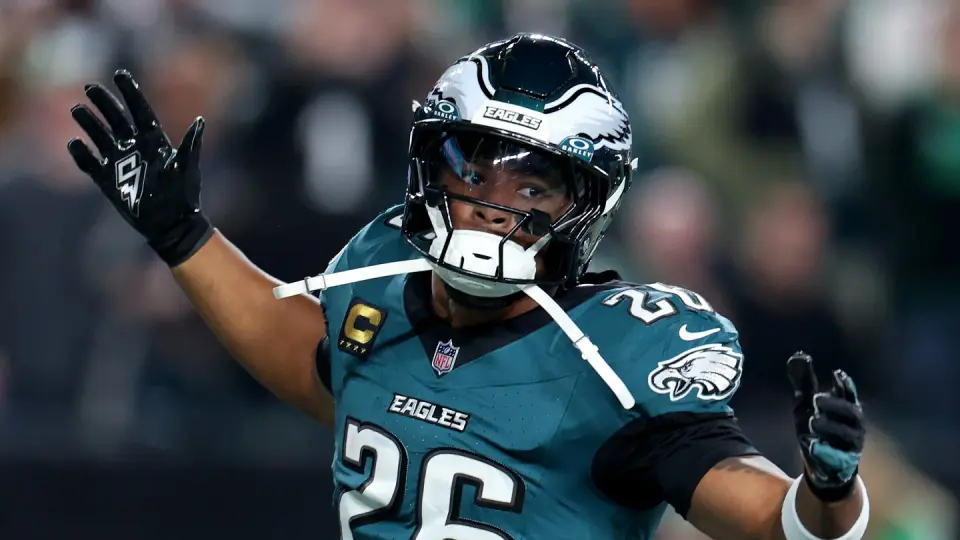
Philadelphia Eagles running back Saquon Barkley was compelled to sell his equity stake in prediction market platform Polymarket after the NFL clarified that its gambling prohibitions extend to such investments. Barkley confirmed the divestment, stating he was 'not allowed' to hold the position. The league informed players of this restriction before the current season, aligning prediction markets with traditional sportsbooks. While the NFL maintains a strict ban on player involvement with prediction markets, other major U.S. leagues, including the NBA, MLB, and NHL, have recently signed lucrative partnerships with platforms like Polymarket and Kalshi.
Key points
- Saquon Barkley divested his stake in Polymarket after the NFL clarified that its gambling prohibitions extend to prediction market investments and endorsements.
- The NFL informed players, coaches, and staff in August 2025 that trading NFL event contracts would be treated the same as wagering with sportsbooks under its gambling policy.
- Barkley stated he was 'not allowed' to hold the position, noting that the league had informed players of the restriction before the current season.
- The NFL confirmed to Front Office Sports that players cannot invest in or promote sportsbooks or prediction markets but declined to address Barkley's situation specifically.
- Other major U.S. professional sports leagues, including the NBA, MLB, and NHL, have recently signed lucrative partnerships with platforms like Polymarket and Kalshi, leaving the NFL as the only major league without such a deal.
Background
Barkley's divestment underscores the NFL's opposition to prediction markets, even as other professional sports leagues embrace the industry. The league informed players, coaches, and staff in August 2025 that trading NFL event contracts would be treated the same as wagering with sportsbooks under its gambling policy. Earlier this month, the NFL urged the U.S. Supreme Court to resolve the legal dispute over prediction markets, arguing that states should retain authority to regulate sports-related contracts. The league said federal oversight has fallen short of protecting game integrity and criticized the Commodity Futures Trading Commission and operators including Kalshi for resisting its proposed safeguards. Those include prohibitions on contracts involving player injuries, officiating decisions, and outcomes known in advance, such as the first play of a game. The NFL also called for a minimum trading age of 21, matching most state-regulated sportsbooks.
How outlets are covering it
NBC Sports and Front Office Sports report that Barkley was forced to sell his stake in Polymarket due to NFL rules prohibiting player investment in gambling or prediction-market companies. ESPN's source was unavailable, returning a 403 error. Legal Sports Report adds that the NFL's stance is part of a broader legal battle over whether sports prediction markets constitute gambling subject to state oversight or federally regulated financial derivatives. The NFL, along with New Jersey, has urged the Supreme Court to resolve the dispute, arguing that states should retain authority to regulate sports-related contracts. In contrast, the NBA, MLB, and NHL have embraced prediction markets, with the NBA announcing Kalshi and Polymarket as its 'preferred prediction market partners' this week. MLB reached an exclusive deal with Polymarket in March, and the NHL was first among the major leagues to partner with prediction markets, announcing deals with Kalshi and Polymarket last October.
Why it matters
The NFL's strict stance on prediction markets highlights a significant divergence from other major U.S. professional sports leagues, which have embraced the industry through lucrative partnerships. This divergence raises questions about the NFL's approach to sports betting and prediction markets, particularly as the legal landscape around these platforms continues to evolve. The NFL's opposition to prediction markets, coupled with its call for state-level regulation, underscores the league's concerns about game integrity and the potential risks associated with sports-related contracts. As the legal battle over the classification of prediction markets continues, the NFL's stance may have broader implications for the future of sports betting and prediction markets in the United States.
What to watch
The NFL's stance on prediction markets is likely to remain a focal point in the ongoing legal battle over the classification of these platforms. The league's call for state-level regulation and its opposition to federal oversight may influence future legislative and judicial decisions. As other major U.S. professional sports leagues continue to embrace prediction markets, the NFL's strict stance may face increasing scrutiny and pressure to align with its peers. The outcome of the Supreme Court case and the evolving legal landscape will likely shape the future of sports betting and prediction markets in the United States, with potential implications for the NFL and other leagues.
- NFL rules forced Saquon Barkley to sell his interest in Polymarket NBC Sports
- NFL Told Saquon Barkley to Divest Polymarket Stake Front Office Sports
- Eagles star Saquon Barkley says he was forced to divest Polymarket equity stake ESPN
- Saquon Barkley says NFL rules forced him to sell his stake in Polymarket Yahoo Sports
- NFL Betting Rules Force Barkley To Divest Polymarket Stake Legal Sports Report
Want the full story? Read the original reporting
Read on NBC Sports