
Emails Expose Deep Conservative Network Behind College Sports Bill
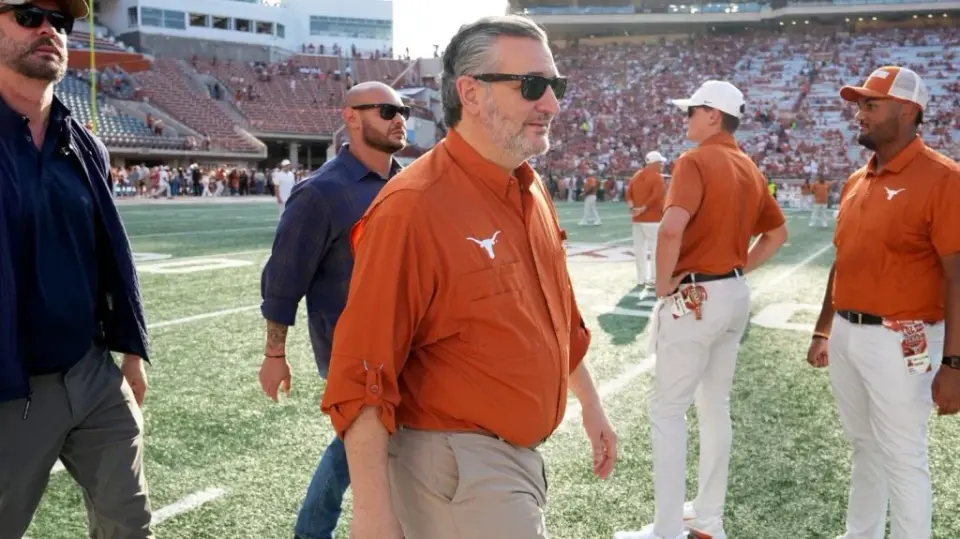
Front Office Sports obtained emails revealing that the advocacy group Saving College Sports (SCS) leveraged a powerful network of conservative donors, political figures, and university leaders to push the Protect College Sports Act (PCSA) through the Senate. The correspondence shows coordinated lobbying efforts involving major Republican donors, including natural gas billionaire Cody Campbell and Club for Growth president David McIntosh, who helped rally support from conference commissioners and university presidents. While the bill passed the Senate 77-22 in September, critics argue it restricts athlete rights and grants the NCAA antitrust immunity, while supporters claim it brings necessary stability to college athletics.
Key points
- Front Office Sports obtained emails via public records requests from UNC, Florida State, and Louisville, revealing SCS's lobbying strategy.
- SCS, founded by Cody Campbell, coordinated with conservative figures like David McIntosh and DraftKings executive Malcolm Turner to influence the PCSA.
- The bill passed the Senate 77-22 on Sept. 28, 2026, and is now awaiting a House vote.
- Critics argue the PCSA restricts athlete compensation and legal rights, while supporters say it stabilizes college sports.
- University leaders and conference commissioners were mobilized to contact senators, with some schools requesting amendments to the bill.
Background
The Protect College Sports Act (PCSA) has been a focal point of debate since the Supreme Court's 2021 ruling on NCAA antitrust violations. Our earlier coverage noted that the bill passed the Senate in September 2026, with some ACC schools seeking loopholes regarding conference realignment. The current story provides new insight into the behind-the-scenes lobbying efforts that helped secure the bill's passage, highlighting the role of conservative donors and political figures in shaping the legislation.
How outlets are covering it
Front Office Sports emphasizes the political and financial network behind the PCSA, highlighting the involvement of major conservative donors and political figures. The Berkeley Beacon focuses on the impact of the bill on athletes, particularly at smaller schools like Emerson College, where athletes express concern about the bill's restrictions on NIL deals. Chapelboro.com criticizes the lack of athlete awareness and involvement in the bill's development, arguing that coaches and athletic departments have failed to educate players about the legislation. The outlets differ in their focus: Front Office Sports highlights the lobbying network, The Berkeley Beacon focuses on athlete perspectives, and Chapelboro.com criticizes the lack of athlete involvement.
Why it matters
The PCSA could significantly impact college athletics by regulating athlete compensation, transfers, and eligibility. The bill's passage in the Senate and its potential impact on the House vote highlight the growing influence of conservative donors and political figures in shaping college sports policy. The debate over the bill's impact on athlete rights and the NCAA's antitrust immunity underscores the ongoing tension between college sports and federal regulation.
What to watch
The PCSA is now awaiting a vote in the House of Representatives. Some schools, including UNC, have requested amendments to the bill, particularly regarding conference realignment restrictions. The House may consider the Senate bill, propose amendments, or start a new version. The outcome of the House vote will determine the final shape of the PCSA and its impact on college athletics.
- Emails Reveal Powerful Network Behind Protect College Sports Act Front Office Sports
- 'It gives programs a lot more power over their players’: Emerson athletes dismayed by Protect College Sports Act The Berkeley Beacon
- Never Too Far: Head Coaches Drop The Ball as Educators of the Protect College Sports Act Chapelboro.com
- Senate passes Protect College Sports Act, reshaping college athletics The Emory Wheel
- Ted Cruz���s college sports win could be a loss for Texas football | Opinion Austin American-Statesman
Want the full story? Read the original reporting
Read on Front Office Sports