
ACC’s Coordinated Lobbying Campaign Shapes Controversial College Sports Bill
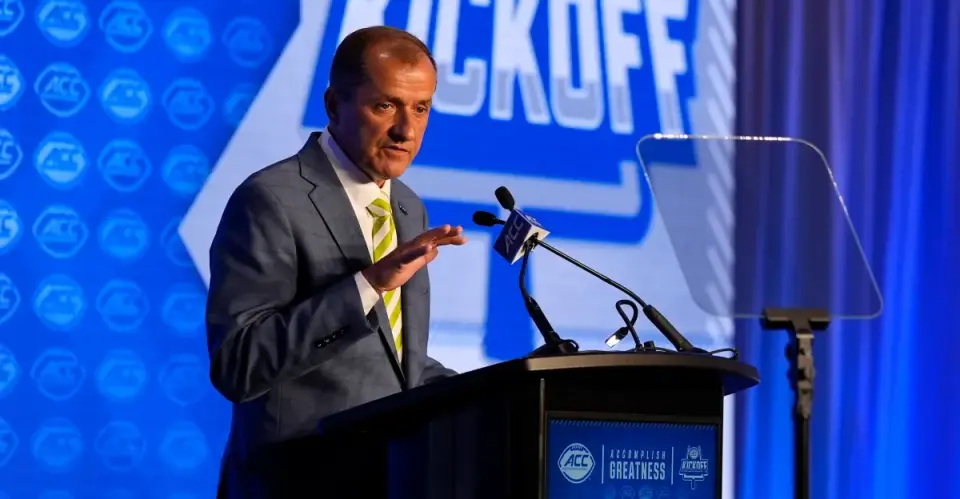
The Atlantic Coast Conference (ACC) engaged in an intensive, multi-week lobbying campaign to influence the final language of the Protect College Sports Act (PCSA) before its Senate advancement. Records show the conference coordinated with lawmakers, hired outside lobbyists, and pressured member schools to support specific provisions, particularly those regarding conference movement and gambling. While the bill faces opposition from athlete advocates over health and safety gaps, the ACC’s efforts highlight the conferences’ push for federal antitrust exemptions to stabilize college athletics.
Key points
- ACC officials, including commissioner Jim Phillips, worked directly with Senate offices to shape the PCSA, collecting technical questions from member schools and coordinating lobbying efforts.
- The conference used DLA Piper as its primary lobbying firm, with former Senator Richard Burr and his former staffer Michael Sorensen listed on filings for the ACC and several member schools.
- On July 30, Senate staff sent a final draft of the bill, demanding immediate support from conferences, leading to a rapid, confidential decision-making process among ACC leaders.
- Section 205 of the bill, which restricts conference movement and asset acquisition, was a key focus, with provisions that could limit Florida State’s exit strategy and protect the ACC’s television revenue.
- Athlete advocates criticized the bill for insufficient health and safety protections, while the ACC emphasized its role in securing a national solution for college sports governance.
Background
The PCSA has been a contentious issue, with debates over its impact on athlete rights, NIL earnings, and conference stability. Previous coverage highlighted criticism of ESPN for promoting the bill without balanced perspectives, and opposition from groups like the NAACP and Senator Chris Murphy. The bill aims to create a single standard for athlete eligibility, transfers, and compensation, but its provisions have drawn scrutiny from various stakeholders.
How outlets are covering it
Tomahawk Nation provides a detailed, record-based account of the ACC’s lobbying efforts, emphasizing the conference’s coordination and the specific provisions it sought to influence. AP News and NBC News offer broader perspectives, with AP noting renewed push and fresh opposition to the bill, and NBC highlighting athlete advocates’ concerns over health and safety protocols. The outlets differ in focus: Tomahawk Nation details the ACC’s internal and external lobbying, while NBC centers on athlete rights and safety, and AP provides a more general overview of the bill’s progress and opposition.
Why it matters
The ACC’s lobbying campaign underscores the power of major conferences to shape federal legislation affecting college sports. The bill’s provisions, particularly those on conference movement and gambling, could have long-term implications for the stability and revenue of conferences like the ACC. Additionally, the opposition from athlete advocates highlights the ongoing tension between conference interests and athlete rights, a central issue in college sports governance.
What to watch
The PCSA is expected to face further scrutiny in Congress, with potential amendments and debates over its provisions. The ACC’s continued lobbying efforts and the reactions of other conferences and athlete advocates will likely influence the bill’s final form and passage.
- “Confidential — Do Not Distribute”: Inside ACC’s campaign for the Protect College Sports Act Tomahawk Nation
- Protect College Sports Act gets renewed push and fresh opposition as college football returns AP News
- Tripp Skipper: Tuberville and Britt have one question - will Congress protect women’s sports? AL.com
- There’s a major flaw in the Protect College Sports Act, athlete advocates say NBC News
- Bill In Congress Would Help SD Keep More Of Its Top College Athletes yankton.net
Want the full story? Read the original reporting
Read on Tomahawk Nation