
SpaceX Transporter-18 marks the end of the rideshare era for small satellites
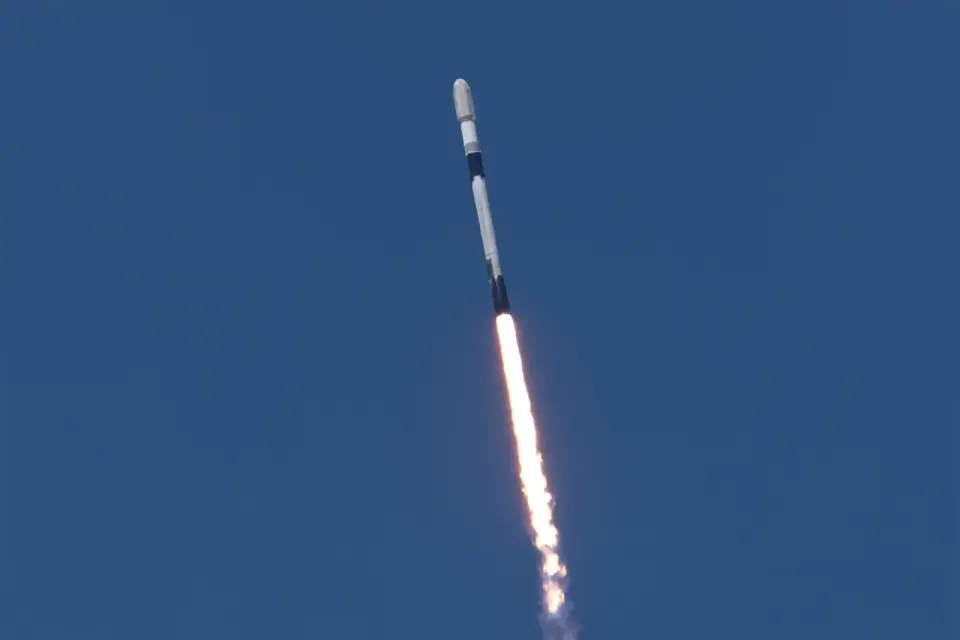
The era of cheap, shared rides for small satellites is concluding. SpaceX's Transporter-18 mission, launched on October 1, 2026, highlights a shift in the launch market. Small satellite operators now face a scarcity of affordable launch slots and must secure anchor customers to ensure their missions proceed. The industry is moving away from the 'rideshare' model that previously allowed small payloads to hitch a ride on larger launches, forcing a new strategy for small satellite deployment.
Key points
- SpaceX's Transporter-18 rideshare mission launched on October 1, 2026, marking a significant milestone in the small satellite launch market.
- The 'rideshare' model, which allowed small satellites to share launches with larger payloads at a reduced cost, is ending.
- Small satellite operators are now facing a scarcity of affordable launch slots, with the cheapest seats no longer accepting bookings.
- The industry is shifting towards a model where small satellites must secure anchor customers to ensure their missions proceed.
- This change is forcing small satellite operators to rethink their launch strategies and secure commitments earlier in the planning process.
Background
This development follows a period of rapid growth in the small satellite market, driven by the proliferation of CubeSats and other small payloads. The rideshare model, pioneered by SpaceX's Transporter program, was a key enabler of this growth, allowing small operators to access orbit at a fraction of the cost of a dedicated launch. However, the increasing demand for launch capacity and the shift towards larger, more capable satellites have strained the rideshare model. The recent success of SpaceX's Starship in deploying Starlink V3 satellites also signals a shift in the launch market towards larger, more capable rockets, further reducing the availability of rideshare slots.
Why it matters
The end of the rideshare era has significant implications for the small satellite industry. Small operators, which include startups, academic institutions, and government agencies, will need to find new ways to access orbit. This could lead to increased competition for launch slots, higher costs, and a shift towards dedicated small launch vehicles. The change also highlights the need for small satellite operators to secure commitments earlier in the planning process and to develop more robust launch strategies. The end of the rideshare era is a turning point for the small satellite industry, and its impact will be felt in the coming years.
What to watch
The small satellite industry is expected to adapt to the end of the rideshare era by exploring new launch options, including dedicated small launch vehicles and alternative launch providers. The industry may also see a shift towards more collaborative launch strategies, with small operators pooling resources to secure launch slots. The development of new small launch vehicles, such as those from Rocket Lab and other companies, will also play a key role in providing affordable launch options for small satellites. The industry will need to navigate these changes to ensure continued access to orbit for small satellites.
Want the full story? Read the original reporting
Read on SpaceNews