Tag

Satellite Deployment

All articles tagged with #satellite deployment

Starship's First Orbital Flight Delivers 26 Satellites, Marking Start of Starlink V3 Era
space10 days ago

Starship's First Orbital Flight Delivers 26 Satellites, Marking Start of Starlink V3 Era

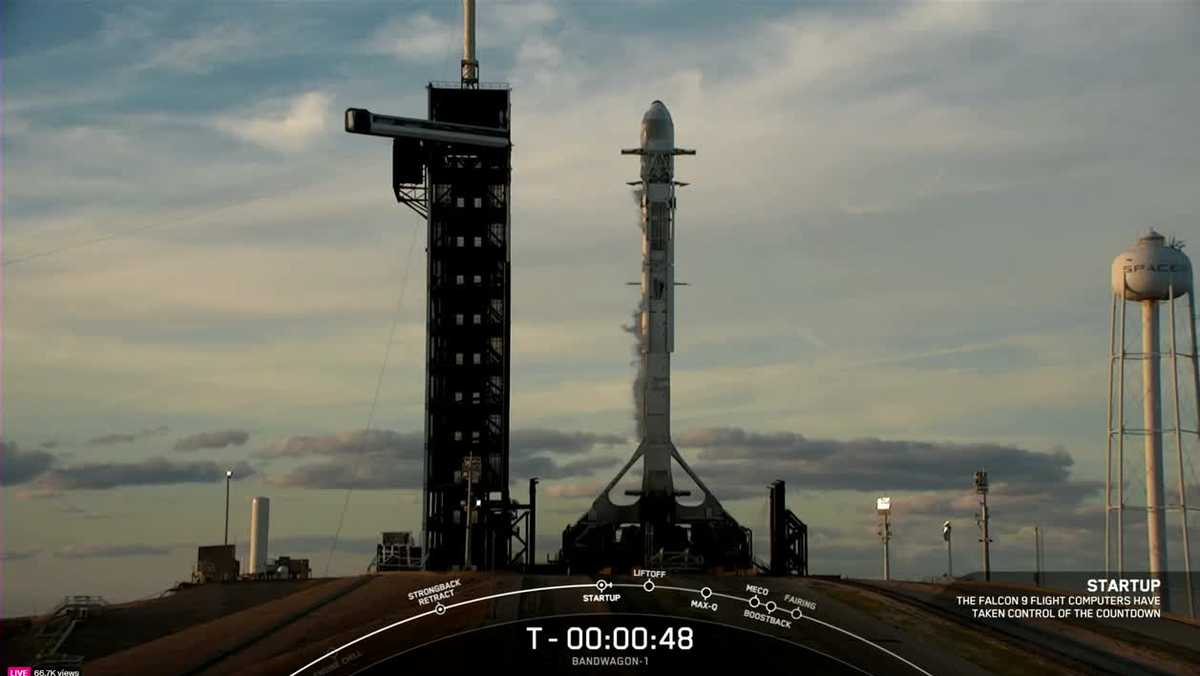
SpaceX's Starship rocket achieved its first orbital flight on September 28, 2026, successfully deploying 26 Starlink V3 satellites into low Earth orbit. This milestone marks the beginning of the next-generation satellite constellation, which is significantly heavier and more capable than its predecessors. Although the mission ended early due to an engine anomaly, the successful orbital insertion and payload deployment were confirmed by multiple sources.
AST SpaceMobile's Stock Soars Amid Satellite Launch Plans and Space Race Competition
business1 year ago

AST SpaceMobile's Stock Soars Amid Satellite Launch Plans and Space Race Competition

AST SpaceMobile's stock surged 18% after announcing a fully funded plan to deploy 45-60 satellites by 2026 to build a global cellular broadband network, challenging SpaceX's Starlink and other competitors. Despite delays and limited current revenue, the company plans regular satellite launches in 2025-2026, with significant potential from government and commercial contracts, aiming to deliver 5G coverage worldwide.

"Rocket Lab and True Anomaly Chosen for Space Force's Rapid Launch Mission"
space-and-defense2 years ago

"Rocket Lab and True Anomaly Chosen for Space Force's Rapid Launch Mission"

Rocket Lab and True Anomaly have been awarded contracts by the U.S. Space Force to launch the "tactically responsive" Victus Haze mission, aimed at testing and refining the military's capabilities for rapidly deploying satellites in response to space threats. Rocket Lab will design, build, and operate a spacecraft for the mission, while True Anomaly will provide a command and control center. The project, funded by the Defense Innovation Unit and Space Force's technology arm, is part of a broader effort to develop more agile space systems for military operations.

"SpaceX Rocket Debris Creates Eerie Sky Display Across U.S."
space2 years ago

"SpaceX Rocket Debris Creates Eerie Sky Display Across U.S."

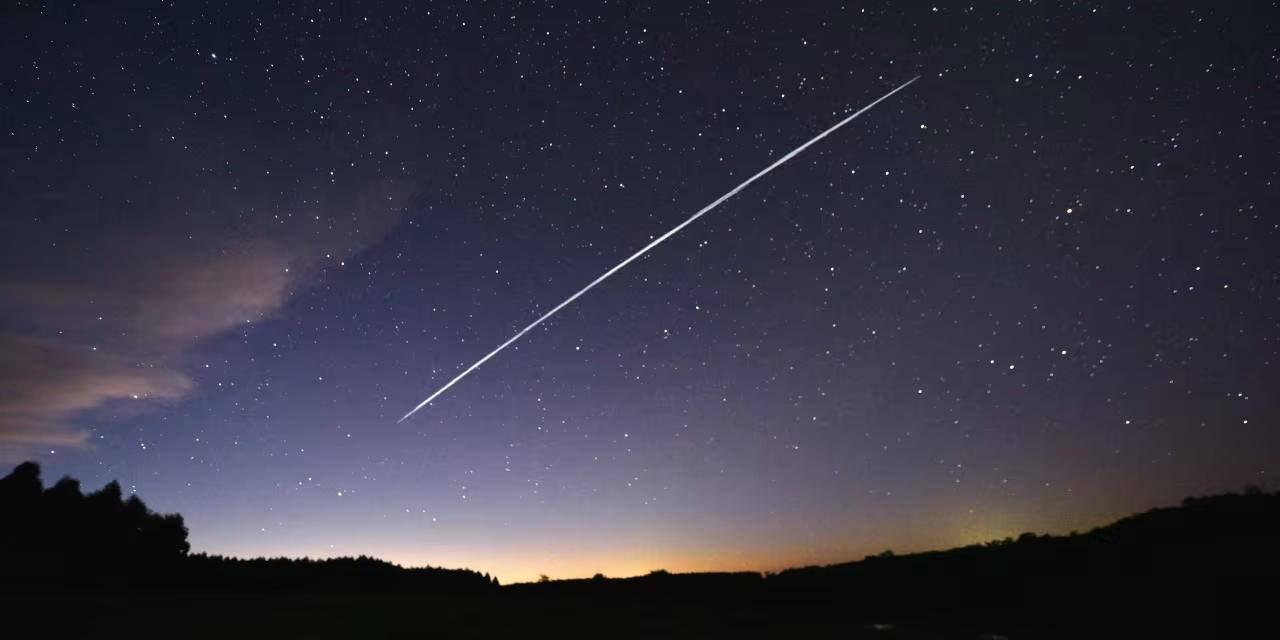
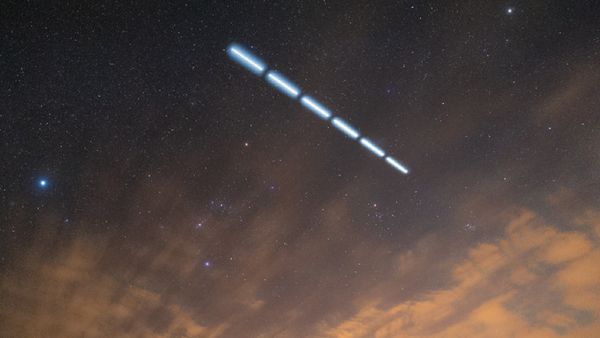
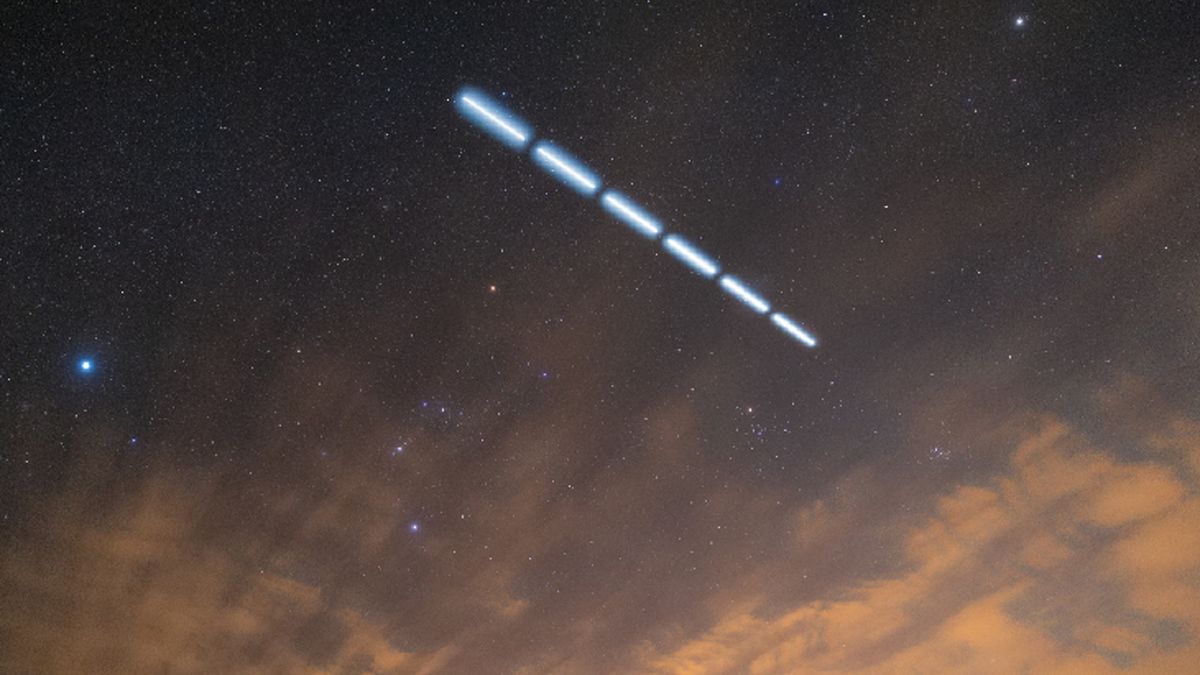
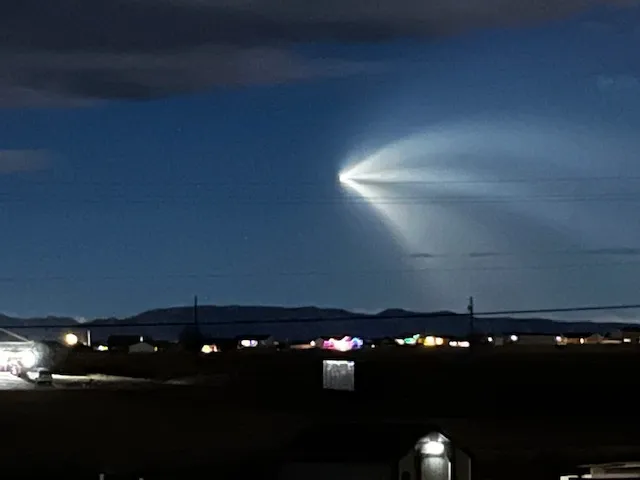
Striking photos captured a perfectly-spaced dashed line of light in the night sky above Arizona, created by a dying SpaceX rocket's deorbit burn. The rocket, part of the company's rapidly increasing launch schedule, deployed telecommunications and Starlink satellites before undergoing controlled deorbit burns. Photographer Jeremy Perez combined long-exposure shots to capture the luminous streak, also revealing a second fainter line from the drifting satellites. With SpaceX's frequent launches, concerns arise over light phenomena, satellite pollution, and metal release upon satellite failure.

"Mysterious Sightings: Unraveling the Enigma of Strange Objects in the Sky"
space-and-astronomy2 years ago

"Mysterious Sightings: Unraveling the Enigma of Strange Objects in the Sky"

Striking photos captured by photographer Jeremy Perez show a perfectly-spaced dashed line of light in the night sky above Arizona, created by a dying SpaceX rocket's deorbit burn. The rocket was part of the company's rapidly increasing launch schedule, with multiple recent launches and plans for more in the near future. The photos, a result of clever photo trickery, also reveal a second fainter line representing light from the satellites deployed by the rocket. However, concerns are raised about the environmental impact of the increasing number of SpaceX launches, including metal pollution from failed satellites burning up in the upper atmosphere.

"SpaceX Falcon 9 Lights Up SoCal Sky with Starlink Satellite Launch"
science2 years ago

"SpaceX Falcon 9 Lights Up SoCal Sky with Starlink Satellite Launch"

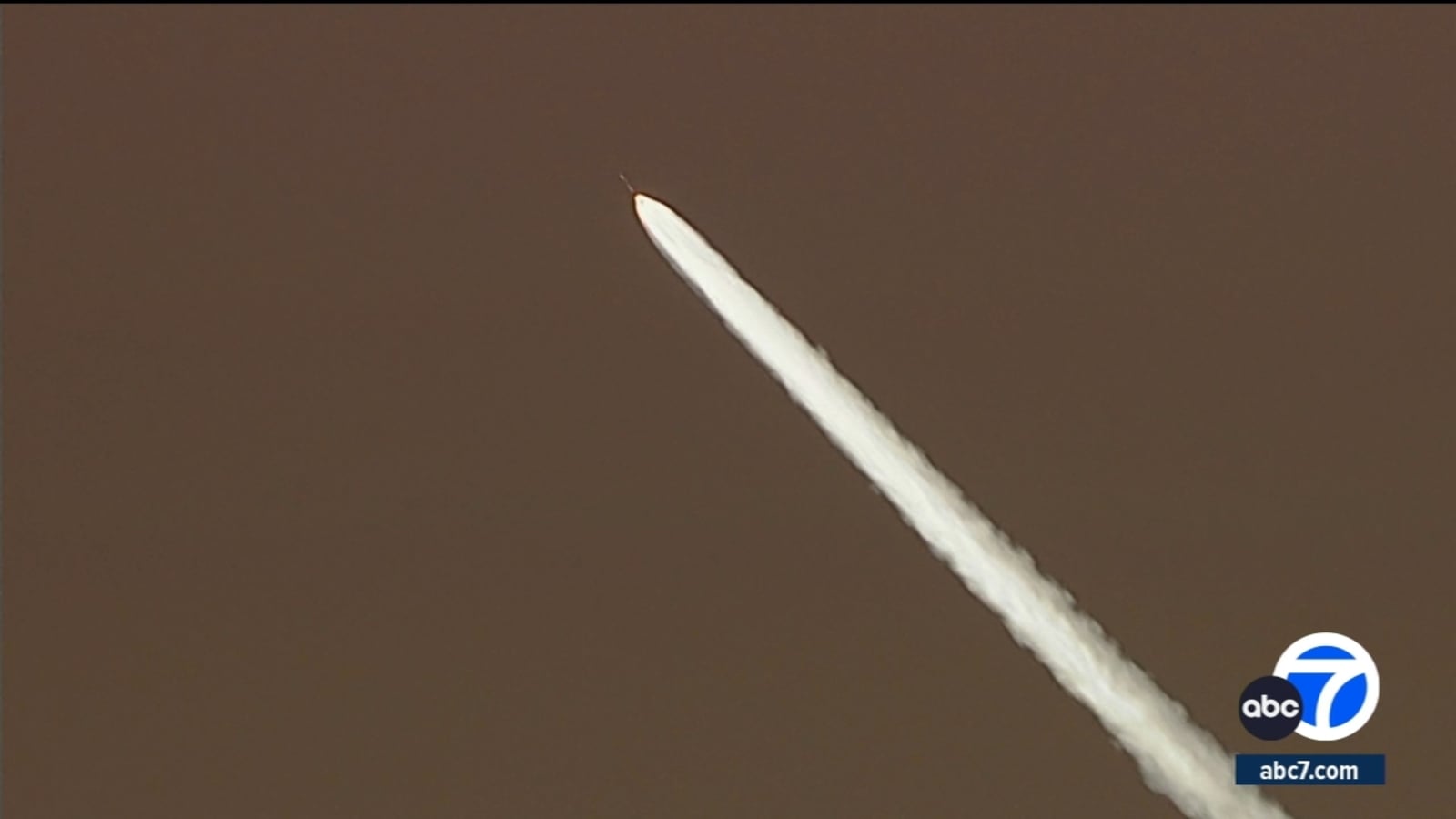
Southern California witnessed another spectacular SpaceX Falcon 9 launch from Vandenberg Space Force Base, creating a bright plume visible throughout the region as the rocket took off around 7:30 p.m. After being delayed due to storm activity, the launch successfully deployed satellites and the booster landed on the "Of Course I Still Love You" droneship in the Pacific Ocean, leaving a striking trail in the sky reminiscent of a similar launch just two weeks prior.

"China's Development of Hypersonic Railgun for Space Launches"
space-technology2 years ago

"China's Development of Hypersonic Railgun for Space Launches"

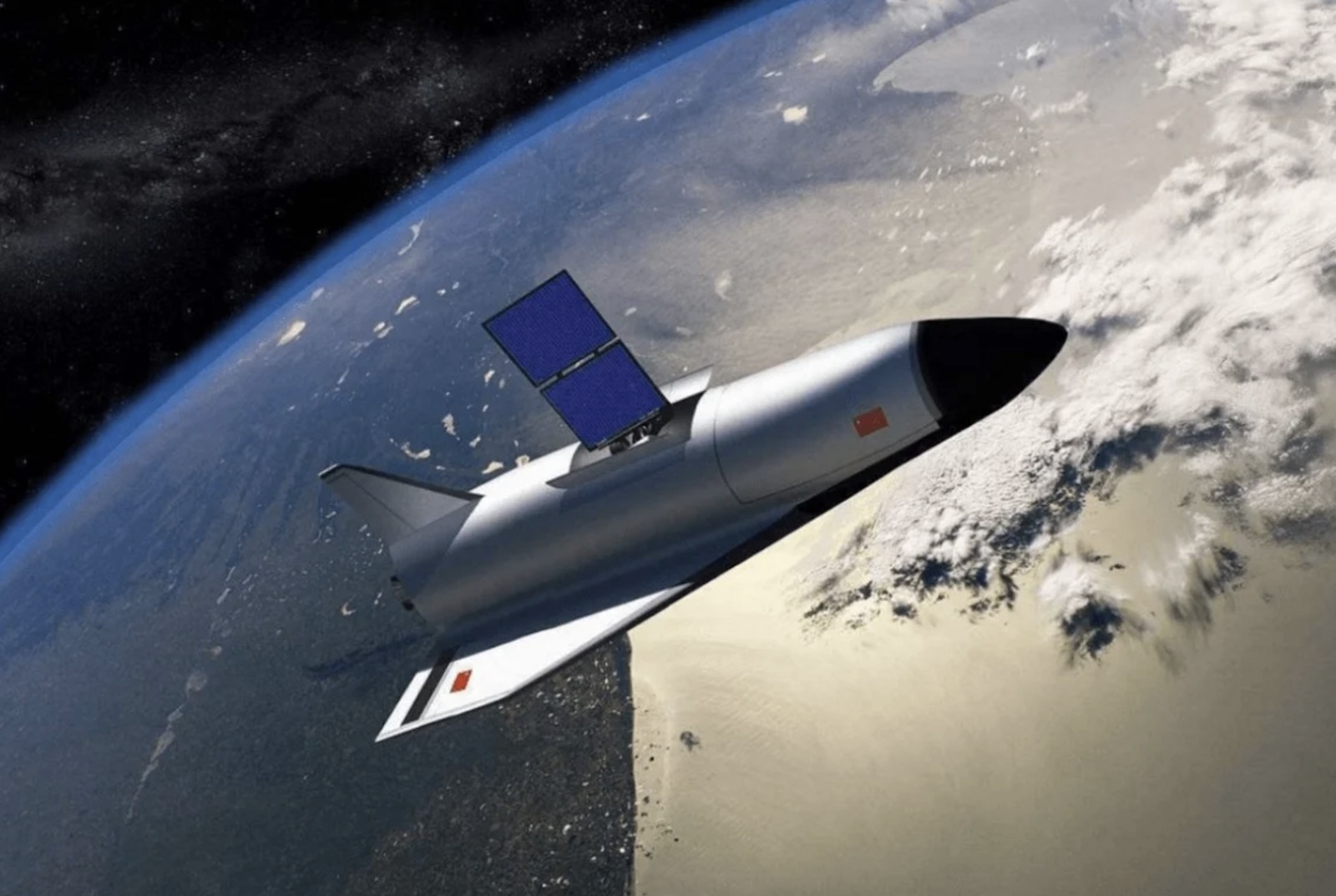
China is developing a giant railgun to launch its Tengyun spaceplane, while the US is focusing on hypersonic technology for satellite launches. The Tengyun spaceplane aims to carry crew, cargo, and release satellites into space, potentially conducting other missions such as satellite capture or surveillance. Both countries are racing to develop cost-effective methods for deploying multiple satellites quickly, with China potentially exceeding the US in tactically responsive space launch capabilities. While China's railgun-launched Tengyun may strengthen its capabilities, the US is focusing on reusable rockets to reduce launch costs.

"ESA's Ariane 6: From Development to Inaugural Flight"
space-technology2 years ago

"ESA's Ariane 6: From Development to Inaugural Flight"

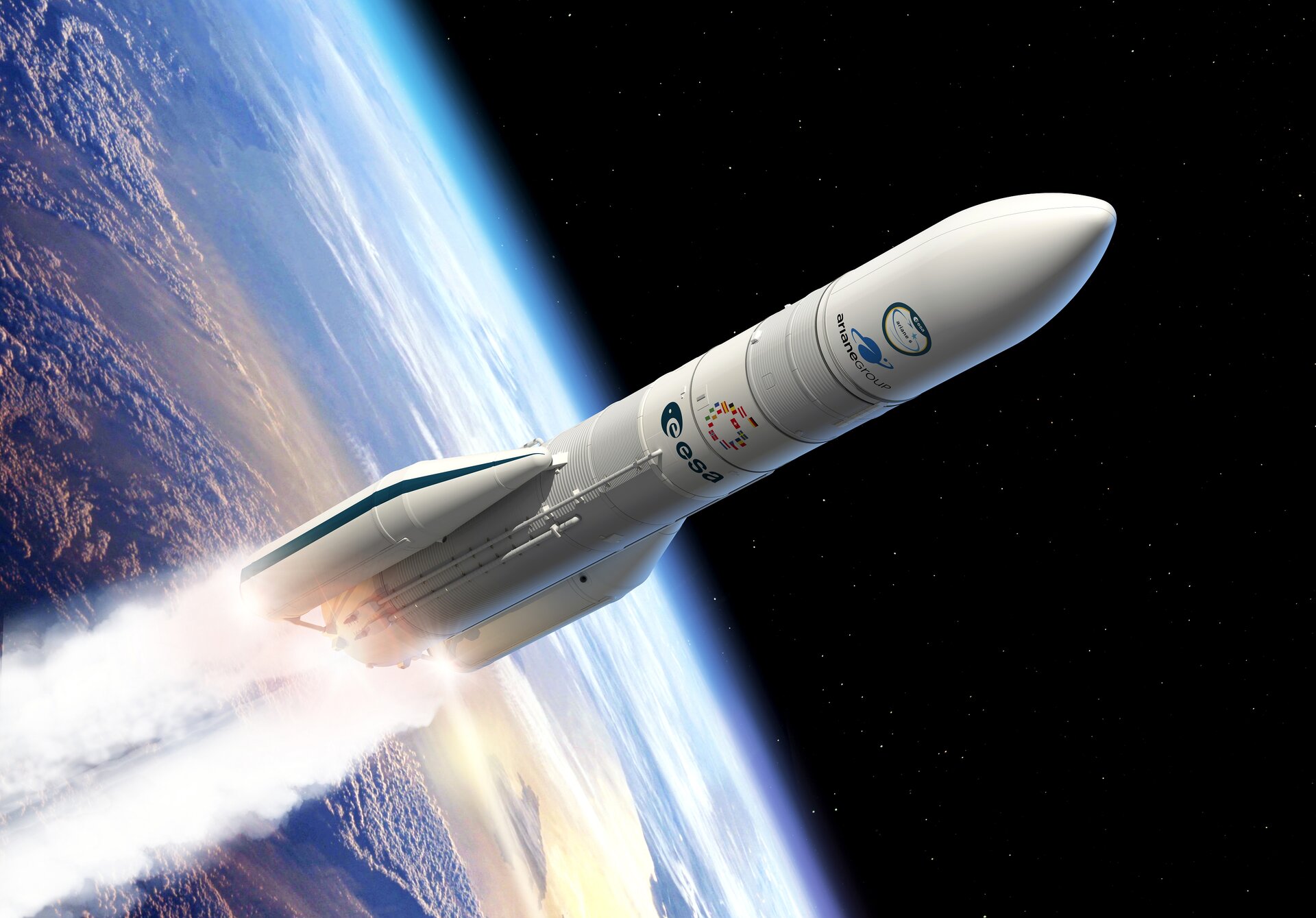
Europe's new Ariane 6 rocket is set to launch a variety of satellites, deployers, and experiments from space agencies, companies, research institutes, universities, and young professionals on its inaugural flight. The missions include measuring gamma rays, tracking wildlife, testing self-healing solar cells, and more, showcasing the rocket's versatility and cost-effective design. The rocket will deploy four deployers and release nine satellites, with some experiments remaining attached to the upper stage for the duration of the flight. The first flight of Ariane 6 is highly anticipated, with one of the passengers, YPSat, set to capture images and video of the rocket during its flight.

"Japan's H3 Rocket: Second Attempt to Reach Orbit"
space2 years ago

"Japan's H3 Rocket: Second Attempt to Reach Orbit"

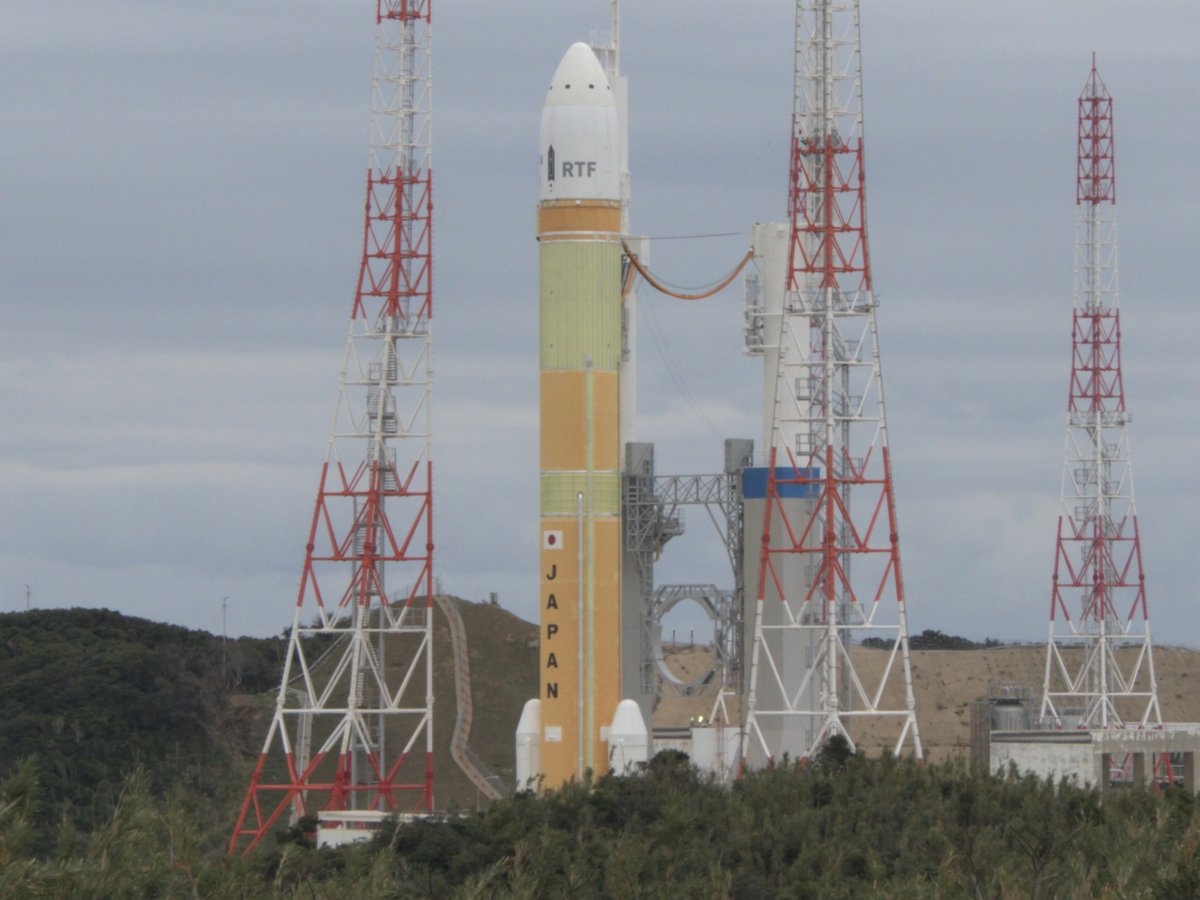
Japan's H3 rocket successfully reached orbit on its second attempt, deploying a mass simulator and two small satellites to a Sun-synchronous orbit. The launch marks a significant milestone for the Japan Aerospace Exploration Agency (JAXA) and Mitsubishi Heavy Industries (MHI) as they aim to replace the retiring H-IIA and H-IIB vehicles. The successful mission follows an investigation into the failure of the rocket's maiden flight and the implementation of changes to prevent similar issues. This paves the way for H3 to carry operational payloads, including resource-monitoring, military communications, and navigation satellites, as well as missions to the International Space Station, Moon, and Mars.