
Hollow Knight: Silksong's $20 Price Tag Creates Unfair Benchmark for Indie Developers
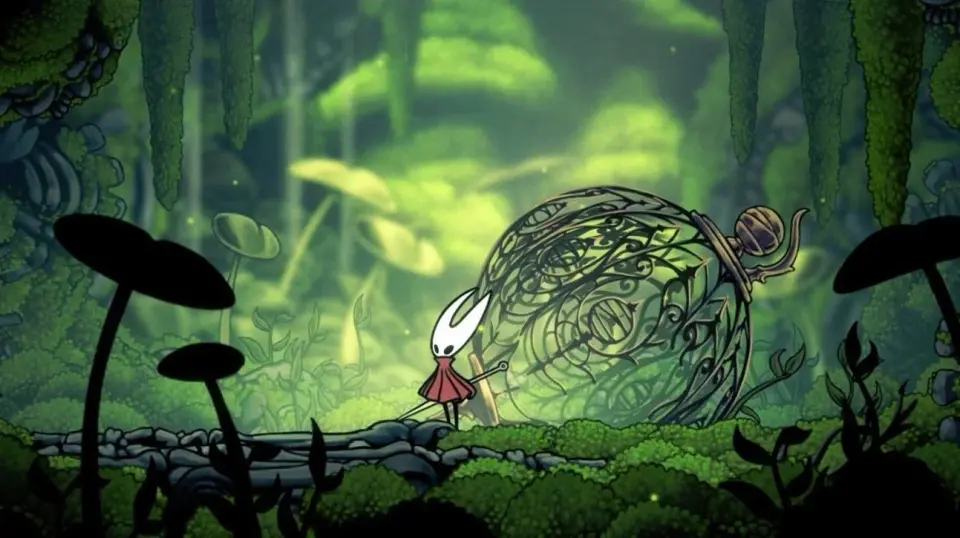
Steam pricing analyst Cassia Curran criticized Team Cherry for pricing Hollow Knight: Silksong at $20, arguing the low cost creates unsustainable downward pressure on the indie market. Despite a seven-year development cycle and high production values, the game raised the bar for what consumers expect at that price point, making it difficult for other studios to justify higher prices. This trend, combined with an influx of AI-generated 'slop' games, is forcing developers to abandon open playtests and free demos to protect their intellectual property.
Key points
- Cassia Curran, a pricing specialist, expressed frustration that Hollow Knight: Silksong launched at $20, stating that a price of $24.99 would have significantly helped other studios with similar titles.
- Team Cherry increased the price by only $5 from the original 2017 release, despite a seven-year production cycle, improved graphics, and a 30-hour campaign, setting a new benchmark for value at the $20 tier.
- The low price point creates downward pressure on the market, making it hard for indie games to charge more than their closest competitors, as seen with Tribute Games' Scott Pilgrim EX struggling at $30.
- Yacht Club Games' Mina the Hollower found success at $20, reinforcing the consumer expectation that high-quality retro-style games should cost no more than that.
- The rise of AI-generated 'vibe-coded slop' and copycat games has led some studios to stop releasing free demos and open playtests to prevent rivals from stealing their ideas.
Background
This pricing pressure occurs against a backdrop of rising hardware costs, where the PlayStation 5 has become the first Sony console to increase in price over its lifecycle due to memory shortages. Additionally, recent pricing errors by Sony, such as the temporary delisting of God of War III over a currency glitch, highlight the volatility and sensitivity of digital game pricing in the current market.
Why it matters
The success of Hollow Knight: Silksong at a low price point threatens the financial viability of indie studios that cannot match its production scale. As consumers expect more content for less money, developers face a dilemma: lower prices to compete or risk being outpaced by AI-generated competitors that mimic their work. This dynamic may force a shift in how indie games are marketed and protected, potentially reducing transparency and community engagement in favor of closed development cycles.
What to watch
Indie developers may continue to lower launch prices to remain competitive, while others might pivot to premium pricing by emphasizing unique features that cannot be easily replicated by AI. The industry may see a further decline in free demos and open playtests as studios prioritize protecting their intellectual property from rapid copycat releases.
Want the full story? Read the original reporting
Read on Kotaku