
Miyamoto: Nintendo's Single-Architecture Strategy Thrives as Players Prioritize Playability Over Specs
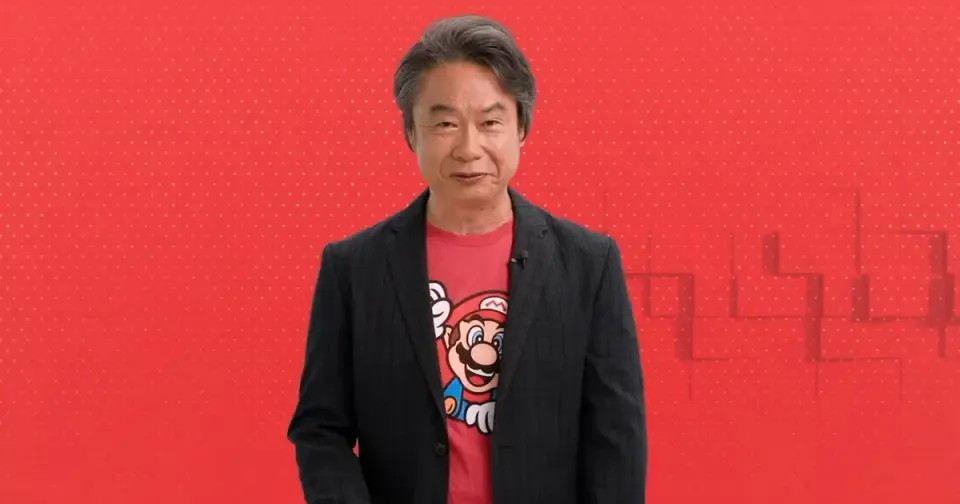
Shigeru Miyamoto stated in a recent Famitsu interview that consumers no longer prioritize raw hardware specifications, valuing the ability to play software on existing devices instead. He noted that the original Switch's eight-to-nine-year lifespan reflects this shift, while Nintendo's single-architecture approach allows for efficient development and unique gameplay experiences that competitors cannot easily replicate.
Key points
- Miyamoto expressed satisfaction with the original Switch's longevity, citing it as evidence that buyers prioritize software compatibility over peak performance.
- Nintendo's strategy focuses on a single hardware architecture, which reduces development workload and allows for rapid iteration compared to supporting multiple smartphone variants.
- The creator emphasized that Nintendo provides 'gameplay that only we can create,' leveraging its unique interface to offer experiences distinct from mobile or high-spec console titles.
- Miyamoto joked about the goal of 'making a living with minimal effort,' highlighting how streamlined production processes improve efficiency for the company.
- The interview coincides with the Switch 2 becoming a top-selling console and the discontinuation of the Switch 1 in Europe, marking a transition period for the brand.
Background
This interview follows earlier coverage in July 2026 where Miyamoto discussed similar themes regarding playability versus power. Previous reports noted his arguments that modern gamers value accessible experiences over cutting-edge graphics, a stance that aligns with Nintendo's historical success despite having lower-spec hardware than rivals. The current discussion expands on these points by explicitly linking the Switch's long lifecycle to changing consumer priorities.
How outlets are covering it
Eurogamer, Kotaku, GamesRadar+, and GoNintendo all reported on the Famitsu interview, but they framed Miyamoto's comments differently. Eurogamer highlighted the contrast between Nintendo's success and the struggles of Sony and Microsoft with rising hardware costs and shortages. Kotaku emphasized the broader industry trend, noting that budget-friendly options like the Nex Playground are outperforming high-end consoles, suggesting a shift toward accessibility. GamesRadar+ focused on the historical context of Nintendo's 'weak' consoles winning through innovation, while GoNintendo concentrated on the practical benefits of a single architecture for developers. All outlets agreed that Miyamoto's view reflects a significant shift in consumer behavior, but they differed in how much weight they gave to the competitive landscape versus internal development efficiency.
Why it matters
Miyamoto's comments suggest a fundamental shift in the gaming market, where convenience and unique gameplay may outweigh raw performance. This could influence future hardware design and development strategies across the industry, potentially making high-spec consoles less essential for the average consumer. For Nintendo, this validates their long-term strategy and may explain the strong sales of the Switch 2 despite not leading in technical benchmarks.
What to watch
The industry will likely continue to monitor sales data for the Switch 2 and the performance of budget-friendly consoles. Developers may increasingly focus on optimizing for single-architecture platforms to reduce costs and improve efficiency. Consumers may see more emphasis on unique gameplay experiences rather than graphical fidelity in future console releases.
- Shigeru Miyamoto thinks people don't care about console specs that much anymore, believes Nintendo instead provides "gameplay that only we can create" Eurogamer.net
- Miyamoto Says Players No Longer Care About Hardware Specs Kotaku
- Shigeru Miyamoto was "pleased" to sell the original Nintendo Switch for 8 years as "customers aren't always looking for the best specs" GamesRadar+
- Miyamoto "happy" about the Switch's longevity, believes customers now look beyond hardware specs GoNintendo
- People No Longer Choose Game Consoles Based Only on Technical Specs, Says Shigeru Miyamoto MP1st
Want the full story? Read the original reporting
Read on Eurogamer.net