
Saber Interactive CEO Matt Karch admits AI use in Rideshare Stimulator, dismisses former writer Stella Sacco
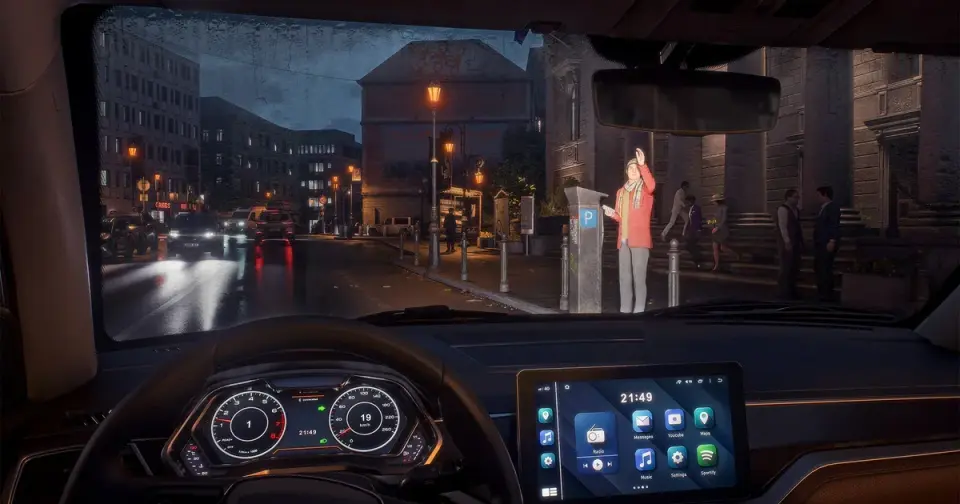
Saber Interactive CEO Matt Karch has publicly acknowledged the use of AI in the upcoming driving game Rideshare Stimulator, following allegations from former lead writer Stella Sacco that she was replaced by ChatGPT. While the studio initially denied replacing human writers, Karch later admitted that AI is used for an 'experimental' mode and criticized Sacco for violating confidentiality agreements. The controversy highlights ongoing tensions regarding AI disclosure and labor practices in the video game industry.
Key points
- Saber Interactive CEO Matt Karch confirmed that AI is used in Rideshare Stimulator, specifically for an 'experimental, free-ride mode' where passenger numbers are infinite.
- Former lead writer Stella Sacco alleged she was removed from the project in 2023 and replaced by ChatGPT for writing and voice generation, a claim Saber initially denied.
- Karch stated that Sacco was 'replaced by someone more talented' and later terminated, accusing her of breaching a confidentiality clause by revealing AI usage prematurely.
- The game’s Steam listing currently lacks the required disclosure for generative AI content, though Karch promised to update it once the feature set is finalized.
- Saber Interactive maintains that its staff of writers has tripled since 2023 and that no employees have been replaced by AI, despite the controversy.
Background
This dispute follows the August 2026 reveal of Rideshare Stimulator, a driving simulation game developed by Unigine and published by Saber Interactive. The game’s initial trailer drew attention for a satirical jab at Gearbox CEO Randy Pitchford. The current controversy is part of a broader 2026 industry debate regarding the integration of generative AI in game development, following similar discussions about AI in coding and NPC behavior.
How outlets are covering it
Outlets report conflicting narratives regarding the extent of AI usage. GamesIndustry.biz and Kotaku highlight the contradiction in Saber’s initial denial, where the company claimed the story was written entirely by humans while simultaneously admitting AI was used for NPC dialogue. The Verge emphasizes Sacco’s argument that the company cannot claim both human authorship and AI usage simultaneously. Karch’s later statement, reported by GamesIndustry.biz, shifts the narrative to a personnel dispute, framing Sacco’s departure as a termination due to confidentiality breaches rather than a replacement by AI. PC Gamer notes the lack of AI disclosure on the Steam page, a violation of Valve’s guidelines, which Karch promised to address.
Why it matters
The incident underscores the growing friction between developers and publishers regarding AI implementation and transparency. It raises questions about labor rights, the definition of 'replacement' in creative roles, and the enforcement of AI disclosure standards on platforms like Steam. The public clash between a former employee and a major publisher CEO may set a precedent for how AI integration is communicated to consumers and regulated within the industry.
What to watch
Saber Interactive plans to update the Steam page for Rideshare Stimulator to include AI disclosures once the feature set is finalized. The game is expected to launch as a lower-priced title, with the AI-driven 'free-ride mode' marketed as a feature. Industry observers will watch for potential backlash from players regarding the AI-generated content and any further legal or reputational consequences for Saber Interactive.
- Saber Interactive CEO responds to claims that a writer was replaced with AI GamesIndustry.biz
- Saber denies replacing Rideshare Stimulator’s writers with ChatGPT The Verge
- Saber Interactive denies replacing writer with ChatGPT on its new driving game, but says it will use AI for dialog 'as the number of passengers in the game is infinite' PC Gamer
- Saber Interactive Denies Former Writer's Claims She Was Replaced By GenAI On Their New Rideshare Game Kotaku
- Saber Interactive Denies Writer's Claim They Were Replaced by ChatGPT for Rideshare Stimulator ign.com
Want the full story? Read the original reporting
Read on GamesIndustry.biz