
Schafer Defends Double Fine’s Niche Strategy Amid Xbox Restructuring
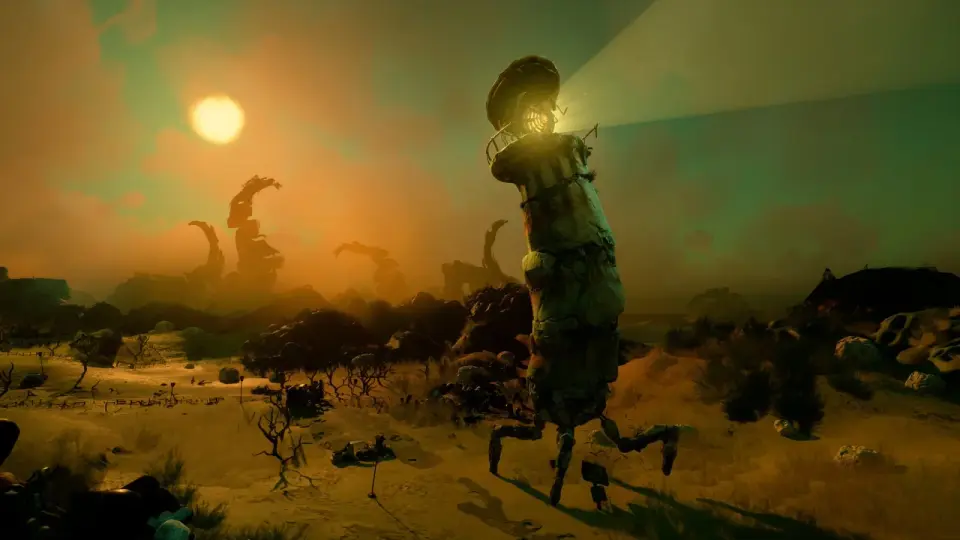
Tim Schafer rejects claims that Double Fine intentionally produced unprofitable games, arguing that titles like Keeper and Kiln were designed to attract non-gamers to the Game Pass subscription model. While acknowledging commercial underperformance, Schafer maintains that the studio’s creative freedom was an unspoken agreement with former Xbox leadership, a strategy that became unsustainable after Phil Spencer’s departure and the subsequent corporate restructuring.
Key points
- Schafer states Double Fine never aimed to create games expected to lose money, emphasizing broad appeal for non-gamers.
- The studio’s niche titles, including Keeper and Kiln, are cited as commercial failures despite their strategic intent.
- Schafer attributes the studio’s exit from Xbox to a shift in leadership priorities following Phil Spencer’s retirement.
- Double Fine is currently seeking work on ports and remasters while incubating new projects after regaining IP rights.
- The studio recently launched a Kickstarter campaign with a $100 million stretch goal for Brütal Legend 2.
Background
Double Fine was spun out of Xbox Game Studios in August 2026 amid a broader corporate restructuring that included 3,200 layoffs. The studio regained ownership of its intellectual property and publishing rights, allowing it to operate independently. This move followed the retirement of Phil Spencer, who had previously supported Double Fine’s role in diversifying the Game Pass library. The studio has since focused on stabilizing its finances through the Amnesia Fortnight game jam and Kickstarter campaigns.
How outlets are covering it
Kotaku highlights Schafer’s defense of his studio’s creative freedom, noting that he believes games like Keeper have mass-market appeal if properly marketed. In contrast, ixbt.games reports that Schafer admitted both Keeper and Kiln were commercial failures, suggesting that only a massive hit comparable to Minecraft would have justified the previous strategy. While Kotaku frames the situation as a misunderstanding of Game Pass’s potential to reach non-gamers, ixbt.games emphasizes the practical reality that the studio’s financial performance did not meet corporate expectations, leading to its departure.
Why it matters
This dispute illustrates the tension between creative autonomy and commercial viability within large gaming conglomerates. It raises questions about the long-term sustainability of subscription models that rely on niche content to drive subscriber growth. The outcome of Double Fine’s independent operations will serve as a case study for other studios navigating similar transitions away from major publishers.
What to watch
Double Fine is actively seeking contracts for ports and remasters to generate revenue while developing new projects. The studio will continue to monitor the performance of Keeper on PlayStation 5, where it was recently released, to gauge audience reception outside the Xbox ecosystem. Additionally, the success of the Amnesia Fortnight Kickstarter will determine the studio’s immediate financial stability and its ability to pursue ambitious projects like Brütal Legend 2.
- Double Fine Boss Says 'We Never Actively Tried To Make A Game We Thought Was Going To Lose Money' Kotaku
- How Double Fine Escaped the Xbox Bloodbath Bloomberg.com
- 'No One Puts Double Fine Out of Business Except for Me' — Tim Schafer Explains Double Fine's 'Creative Awakening' After Leaving Xbox IGN
- Xbox doesn't need studios that make niche games for Game Pass, says Tim Schafer ixbt.games
- Xbox CEO Asha Sharma is "not going to shoot my dog," says now-independent Double Fine boss Tim Schafer, who initially opposed Microsoft ownership because "you guys love closing studios" Yahoo Tech
Want the full story? Read the original reporting
Read on Kotaku