
Bulkhead CEO admits to vetting hires for anti-crunch social media posts
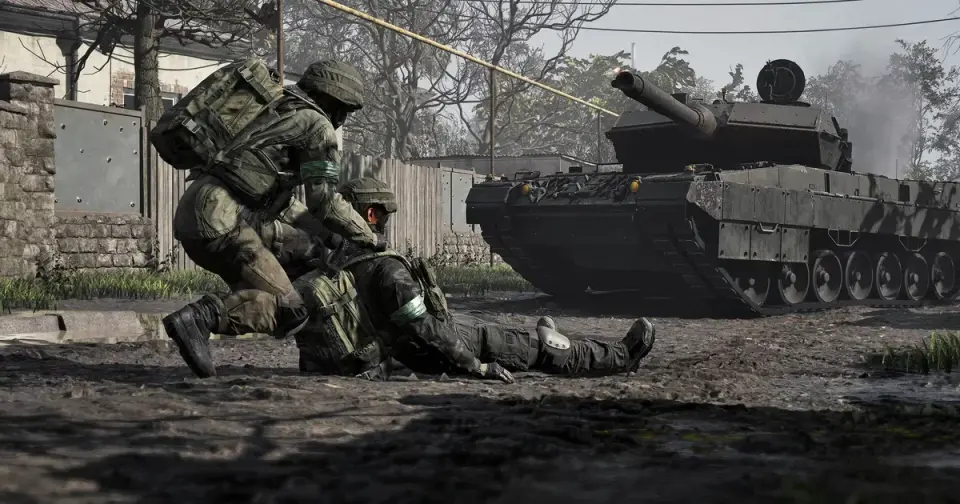
Bulkhead CEO Joe Brammer confirmed the studio reviews candidates' social media for anti-crunch sentiment, stating such individuals 'often don't make it in the door.' He argues that while crunch is sometimes unavoidable, it is compensated through shares and bonuses, though critics note this excludes dissenting voices.
Key points
- Joe Brammer stated Bulkhead checks prospective hires' social media for public criticism of crunch, viewing it as a cultural mismatch.
- Brammer claims crunch is inevitable but balanced by financial rewards, including shares for 50% of staff, though The Game Business notes not all employees receive these benefits.
- The studio has made annual redundancies for six years, laying off approximately 20% of staff yearly, but expects to stop after Wardogs' success.
- Wardogs sold two million copies in five days of Early Access, with Brammer citing this success as justification for the studio's work culture.
- Brammer later clarified to Eurogamer that his comments were informal and that screening follows UK data protection laws, though he admitted to a recent crunch period for the beta build.
Background
Bulkhead previously faced scrutiny over its labor practices, including annual layoffs and inconsistent adoption of four-day workweeks. The studio was named a UK Best Place to Work in 2023-2024 but not in 2025. Wardogs launched in September 2026, achieving rapid commercial success with over 1 million copies sold within hours of Early Access.
How outlets are covering it
Rock Paper Shotgun and Aftermath highlight the ethical concerns of screening for anti-crunch views, suggesting it silences critical voices and equates dissent with a lack of care for the work. Game Developer notes the legal implications under UK data protection laws, citing the Information Commissioner's Office guidelines on social media screening. Brammer's defense, shared via Eurogamer, frames the practice as ensuring cultural fit and transparency, while acknowledging that crunch occurred during the Wardogs beta. The outlets disagree on whether the financial compensation offered justifies the exclusion of anti-crunch advocates, with some noting that not all staff receive the promised bonuses or shares.
Why it matters
This incident highlights ongoing tensions in the gaming industry regarding labor rights, transparency in hiring, and the normalization of crunch. It raises questions about whether financial incentives can offset the negative impacts of mandatory overtime and whether studios should exclude candidates based on their public advocacy for better working conditions.
What to watch
Bulkhead may face increased scrutiny from regulators or labor advocates regarding its hiring practices. The studio's future labor policies, including the return of four-day workweeks and the frequency of crunch, will be watched closely as Wardogs continues its Early Access phase. Brammer has indicated he will not engage in further public debate on the issue, but the conversation may continue among developers and industry observers.
- "They often don’t make it in the door": Wardogs studio Bulkhead check for "anti-crunch messaging" on prospective hires' social media, CEO says Rock Paper Shotgun
- Wardogs lead says the studio won't hire people who decry crunch on social media Game Developer
- Wardogs CEO says he won't hire devs who aren't down with mandatory crunch: 'If you care about what you're making, this is the place to work' Yahoo
- Wardogs CEO Says Workers Who Speak Out Against Crunch Won't 'Be Happy Here' aftermath.site
- 'They Often Don't Make It in the Door' — Wardogs CEO Hesitant to Hire Employees That Speak Out Against Crunch IGN
Want the full story? Read the original reporting
Read on Rock Paper Shotgun