
Polyarc closes after 12 years, ending Moss VR era
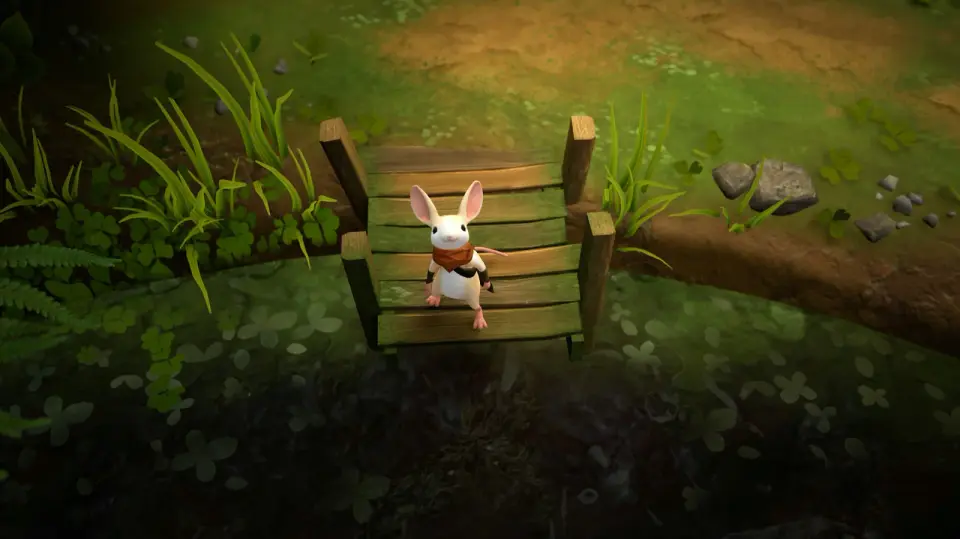
Seattle-based developer Polyarc has officially closed its doors after nearly 12 years, ending the production of the acclaimed Moss series. The studio, which pioneered third-person VR gameplay, released a final non-VR title in July 2026 that failed to sustain the company. At least 29 staff members are now seeking new employment, while the studio’s existing games remain available for purchase.
Key points
- Polyarc announced its closure via LinkedIn on September 11, 2026, marking the end of its 12-year run.
- The studio’s flagship Moss series, known for its diorama-style VR gameplay, won over 160 awards and nominations.
- Polyarc’s final release, Moss: The Forgotten Relic, launched in July 2026 as a non-VR port but did not generate sufficient revenue to keep the studio afloat.
- A reverse recruiting sheet was shared with the announcement, listing at least 29 employees available for hire.
- All existing Polyarc titles, including Moss, Moss: Book II, and Glassbreakers, remain available for purchase on various platforms.
Background
Polyarc was founded in Seattle and gained prominence with the release of Moss in 2018, which became a launch title for the Oculus Quest. The studio later released Moss: Book II in 2022 and a multiplayer strategy game, Glassbreakers, in 2025. In March 2026, the studio underwent significant layoffs, reducing its team by two-thirds. The closure follows a broader trend of VR studio shutdowns in 2026, including Night School Studio and Bluepoint Games.
How outlets are covering it
Engadget highlights the impact of Meta’s pivot away from the metaverse toward AI products, suggesting this shift made funding new VR projects difficult. UploadVR emphasizes the commercial failure of Polyarc’s recent titles, noting that Glassbreakers received mixed reviews and Moss: The Forgotten Relic failed to convert its 200,000 wishlists into sufficient sales. Game Informer contextualizes the closure within a wave of 2026 studio shutdowns, while Shacknews focuses on the studio’s legacy as a pioneer in VR game design. All outlets agree that the non-VR port was the studio’s final attempt to reach a wider audience, but they differ on whether the primary cause was market shifts or commercial underperformance.
Why it matters
The closure of Polyarc signals a significant shift in the VR gaming landscape, particularly as major tech companies like Meta reduce investment in the metaverse. It highlights the challenges faced by VR-focused studios in securing funding and sustaining revenue in a changing market. The studio’s legacy, however, remains influential, with its games still available and praised for their innovative design.
What to watch
The 29 affected employees are actively seeking new positions, as indicated by the shared recruiting sheet. Existing Polyarc games will continue to be sold on platforms like Steam, PlayStation, and Quest. The broader VR industry may see further consolidation or closures as funding dries up, but the long-term impact on VR game development remains to be seen.
Want the full story? Read the original reporting
Read on Engadget