
Leakers Confirm NVIDIA RTX 60-Series 'Rubin' GPUs Slipped to 2028 Amid Memory Crisis
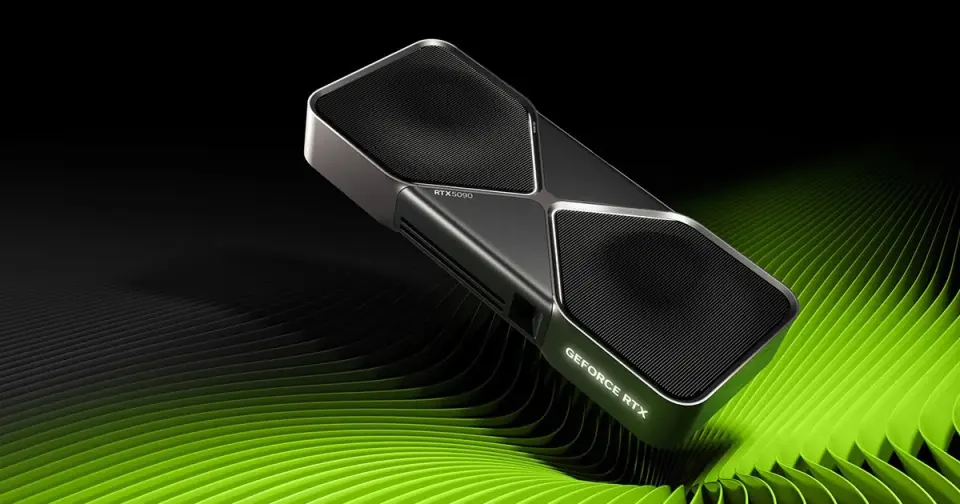
NVIDIA's next-generation GeForce RTX 60-series, based on the Rubin architecture, is reportedly delayed to 2028, contradicting earlier rumors of a 2027 launch. The slip is attributed to severe memory shortages and TSMC capacity constraints, as the company prioritizes high-margin data center products over consumer gaming GPUs.
Key points
- Leaker Kopite7Kimi, known for accurate NVIDIA hardware leaks, stated on X that the GR20x (Rubin) gaming GPUs are a 2028 product, marking another postponement from the previously estimated second half of 2027.
- The delay conflicts with claims from leaker Moore's Law Is Dead, who reported that an NVIDIA source greenlit a first-half 2027 launch, and contradicts leaker Jukan, who called a 2027 release 'ridiculous.'
- NVIDIA has not officially confirmed the timeline, but the 2028 estimate aligns with industry conditions where memory supply is volatile and hardware roadmaps shift weekly.
- The primary cause of the delay is the prioritization of data center hardware, which generates significantly higher revenue for NVIDIA than GeForce consumer cards, combined with stretched TSMC manufacturing capacity.
- The RTX 50 Super refresh is also reportedly stalled due to the high cost of 3 GB GDDR7 modules, potentially extending the Blackwell cycle and delaying any 2027 launches.
Background
In August 2026, NVIDIA unveiled DLSS 5, a neural rendering technology exclusive to RTX 50-series Blackwell GPUs, which faced performance issues on older architectures. In September 2026, earlier reports suggested both AMD and NVIDIA might skip 2027 for next-gen launches, with AMD's RDNA 5 AT2 targeting 2027. The current memory shortage and price hikes for GDDR7 have significantly impacted the viability of new consumer GPU launches, as seen in the rising prices of RTX 50-series cards in 2026.
How outlets are covering it
TechPowerUp and Wccftech emphasize the economic and supply chain drivers behind the delay, noting that data center profitability and memory shortages make a 2027 launch unlikely. Notebookcheck highlights the direct contradiction between leakers, with Kopite7Kimi and Jukan supporting a 2028 timeline against Moore's Law Is Dead's 2027 claim. Tom's Hardware frames the delay as a strategic choice by NVIDIA to prioritize data center products, leaving gamers with a prolonged wait. All sources agree that the 2028 timeline is more plausible given current market conditions, though they caution that plans could change if memory supply stabilizes.
Why it matters
The delay of the RTX 60-series to 2028 extends the lifecycle of the current Blackwell generation, forcing consumers to wait longer for significant performance upgrades. It also highlights the ongoing tension between NVIDIA's data center and consumer markets, with high memory costs and supply constraints likely to keep GPU prices elevated and limit availability for gamers in the near term.
What to watch
NVIDIA may still attempt to launch the RTX 50 Super refresh in 2027 if memory costs stabilize, but this is uncertain. The broader GPU market will likely remain constrained by memory shortages and high prices through 2027, with no new consumer architectures expected until 2028. AMD's RDNA 5 AT2 remains the only confirmed next-gen GPU for 2027, potentially giving it a competitive edge in the interim.
- NVIDIA GeForce RTX 60-Series Reportedly Slips to 2028, Per New Leak TechPowerUp
- Nvidia's next-gen RTX 60 GPUs might not be released until 2028, prominent leaker claims — gaming takes a back seat as company focuses on delivering data center products Tom's Hardware
- The 2028 Launch Rumor For NVIDIA RTX 60 “Rubin” GPUs Isn’t Surprising At All, And Makes Sense Given The Current Memory & Price Trajectory Wccftech
- Reliable leaker contradicts Moore's Law Is Dead's Nvidia RTX 6090 release date Notebookcheck
- New generations of NVIDIA and AMD graphics cards delayed to 2028 mobidevices.com
Want the full story? Read the original reporting
Read on TechPowerUp