
Salmon DNA Derivative PDRN Drives 2026 Skincare Boom
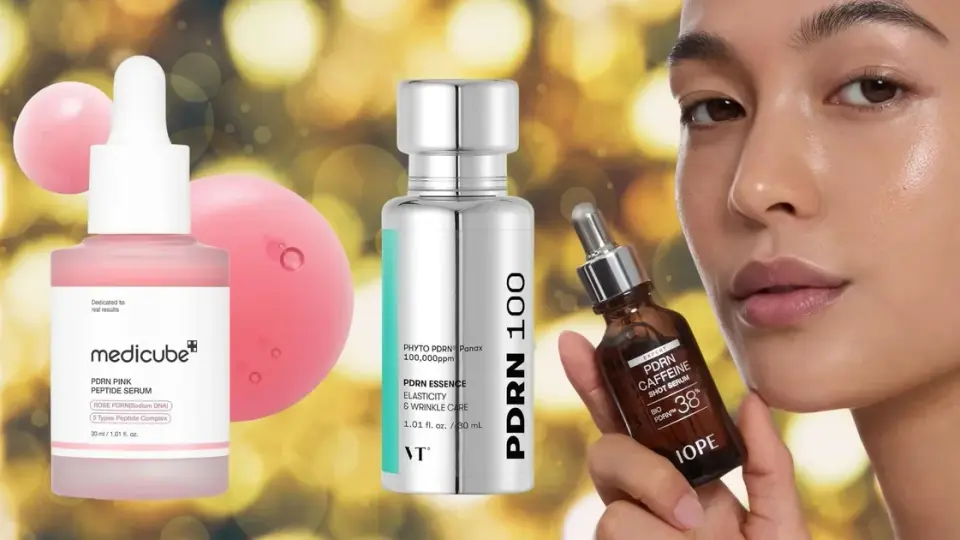
Polydeoxyribonucleotide (PDRN), a DNA fragment primarily derived from salmon sperm, has emerged as the dominant anti-aging ingredient in 2026. Experts note it stimulates collagen and elastin production to reduce wrinkles and improve skin elasticity. The market has expanded from clinical injectables to over-the-counter serums, essences, and masks, with brands like Medicube and VT Cosmetics leading the charge. While some formulations use plant-based alternatives like ginseng, clinical-grade PDRN remains fish-derived. This trend reflects a broader shift toward science-backed, regenerative skincare over superficial cosmetic fixes.
Key points
- PDRN is a DNA fragment, typically from salmon sperm, used to accelerate skin repair and boost collagen.
- The ingredient is now widely available in over-the-counter products, including serums, essences, and sheet masks.
- Dermatologists cite benefits for hydration, cellular turnover, and reducing hyperpigmentation.
- Vegan alternatives derived from wild ginseng are popular, though clinical PDRN remains fish-based.
- The trend aligns with a move away from viral hype toward personalized, regenerative treatments.
Background
This surge follows earlier interest in collagen supplements, which showed modest benefits for skin elasticity in 2026 reviews. It also parallels the rise of exosome therapy in medical settings, such as burn care in Ontario, highlighting a broader consumer and clinical interest in regenerative biology for tissue repair.
How outlets are covering it
HuffPost emphasizes the consumer market expansion, listing specific products like the Iope PDRN Caffeine Serum and Medicube’s peptide-rich formulas, noting that some PDRN is now plant-derived. WWD highlights data from South Korea’s Naver search engine, showing PDRN as a top trending ingredient, though noting that azulene is growing faster. Trend Hunter focuses on the biotechnology aspect, describing PDRN as a 'gold standard' in regenerative treatments that bridges clinical science with premium skincare. Busselton Mail frames the trend within a broader Australian shift toward science-backed, personalized treatments over social media hype, positioning PDRN as part of a new era of regenerative skincare.
Why it matters
PDRN’s rise signals a maturation of the beauty industry, moving from superficial cosmetic fixes to biologically active ingredients that address skin aging at a cellular level. It reflects consumer demand for transparency, efficacy, and science-backed solutions, potentially reshaping the global skincare market and influencing future ingredient trends.
What to watch
Expect continued growth in PDRN-based products, including new formulations and potentially more plant-derived alternatives. Monitor search trends for competing ingredients like azulene, which may challenge PDRN’s dominance. Watch for regulatory updates on over-the-counter regenerative ingredients and potential expansion into other markets beyond Asia.
- Meet The Korean Skin Care Ingredient That Fills Wrinkles Like Magic HuffPost
- The Best Skincare Treatments of 2026 busseltonmail.com.au
- Which Beauty Ingredients Are Trending Most in South Korea? WWD
- Salmon PDRN-Powered Anti-Aging Serums Trend Hunter
- What Is PDRN? Dermatologists Explain the Viral K-Beauty Ingredient Behind Glass Skin Fort Worth Star-Telegram
Want the full story? Read the original reporting
Read on HuffPost