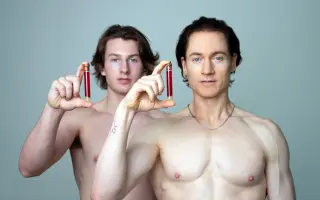
David Sinclair’s Life Biosciences raised $80 million to move a one-time anti-aging gene therapy into clinical testing, pursuing partial epigenetic reprogramming with Yamanaka factors (Oct4, Sox2, Klf4) delivered by AAV to rewind cellular aging.
University of Connecticut researchers report that the anti-aging drug combination dasatinib and quercetin (D+Q) causes significant myelin loss and corpus callosum damage in mice, with younger animals affected more. The oligodendrocytes shift to a less mature, energy-stressed state, suggesting safety concerns for preventive use and offering new clues for understanding multiple sclerosis.
A 40-year-old wellness advocate claims her biological age tests 14–18 years younger than her calendar age, thanks to a disciplined routine: a 3-2-1 sleep rule, a high‑protein, minimally processed diet, regular strength and cardio workouts, a long supplement stack (magnesium, NAD+, creatine) and a low‑tox kitchen/supp skincare routine, plus stress management and gratitude. She tracks progress with physiological biomarkers and epigenetic DNA methylation tests every six months and plans to push further.
Amid the longevity hype, the piece elevates Eric Topol’s lifestyle-focused approach—regular exercise, hydration, a Mediterranean diet, seven hours of sleep, and strong social ties—as the most credible path to healthy aging, while criticizing expensive, unproven regimens by biohackers like Bryan Johnson and the costly, mixed-methods approach of Peter Attia; ultimately, Topol’s emphasis on prevention over pills is presented as the most reliable route to becoming a “super ager.”
A Healthline review finds that oral collagen peptides may offer modest, gradual improvements in skin elasticity, hydration, and dermal density after several weeks of daily use, but they’re not a magic fix for wrinkles. Benefits tend to be subtle and best realized when paired with sunscreen, retinoids, vitamin C, healthy lifestyle habits, and optional in-office treatments like microneedling.
Makeup artists share a 15-item routine to help mature skin look younger, pairing skin prep (exfoliation and a rich moisturizer) with targeted makeup techniques—light, glow-friendly powders, strategic highlighting, brown eyeliner, a gel-based foundation, concealer, bronzer, and a cream-powder blush duo—along with a curated lineup of products like Credo exfoliator, Hourglass setting powder, Embryolisse moisturizer, Charlotte Tilbury Hollywood Flawless Filter, Mac Teddy liner, Chantecaille Future Skin foundation, Nars Radiant Creamy Concealer, and Patrick Ta cream-powder blush duo for a refreshed, youthful finish.
Shop TODAY’s expert guide reviews dermatologist-approved collagen creams and serums for 2026, explains how collagen supports skin and which ingredients (peptides, hyaluronic acid, retinoids) to look for, and lists editor favorites across budget to luxury—from St. Ives and L’Oréal to Elemis and Olay—while also detailing how creams differ from collagen-boosting serums and offering tips on using products in sync with the skin’s nighttime repair cycle.
A handful of tech billionaires are pouring money into longevity startups—Retro Biosciences, NewLimit, Altos Labs and others—hoping to develop therapies that could slow or reverse aging, with Sam Altman, Brian Armstrong and Jeff Bezos leading the charge and smaller players like Mitrix Bio racing to bring treatments to patients sooner.
Scientists at Stanford have developed a treatment that inhibits the age-related protein 15-PGDH, leading to the regeneration of knee cartilage and prevention of arthritis in mice, with promising results in human tissue, potentially offering a non-surgical option for joint repair.
A fruit may boost collagen production and improve skin renewal, but maximizing these benefits involves certain considerations or limitations, which are discussed in the article.
The article suggests that instead of opting for blepharoplasty, individuals should consider non-surgical eye treatments like targeted skincare products and devices to address common concerns such as puffiness, dullness, and skin laxity around the eyes, emphasizing the importance of consistent skincare routines for maintaining a youthful appearance.
Copper peptides, particularly GHK-Cu, are emerging as a popular anti-aging ingredient due to their ability to stimulate collagen and elastin production, improve skin firmness and texture, and support wound healing, making them a valuable addition to modern skincare routines.
The article highlights eight common beauty mistakes that accelerate aging, such as neglecting sunscreen, sleeping with makeup on, over-exfoliating, neglecting neck and hands, using hot water on the face, touching the face frequently, using expired products, and following every skincare trend. Avoiding these habits and sticking to simple, proven routines can help maintain a youthful appearance and prevent premature aging.
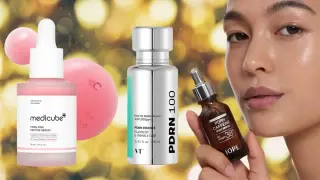
This article reviews the 8 best peptide serums for mature skin, highlighting their benefits such as improving fine lines, boosting collagen, strengthening the skin barrier, and addressing specific concerns like pigmentation, sensitivity, and skin lifting, with options ranging from daily use to luxury treatments.
A study from UC Berkeley found that a combination of oxytocin and A5i extended the lifespan of male mice by up to 73%, but had no effect on females, highlighting sex differences in aging and potential for targeted therapies, with implications for human aging research.