
Study Finds Smartwatch Calorie Tracking Accuracy Drops Significantly as Body Fat Increases
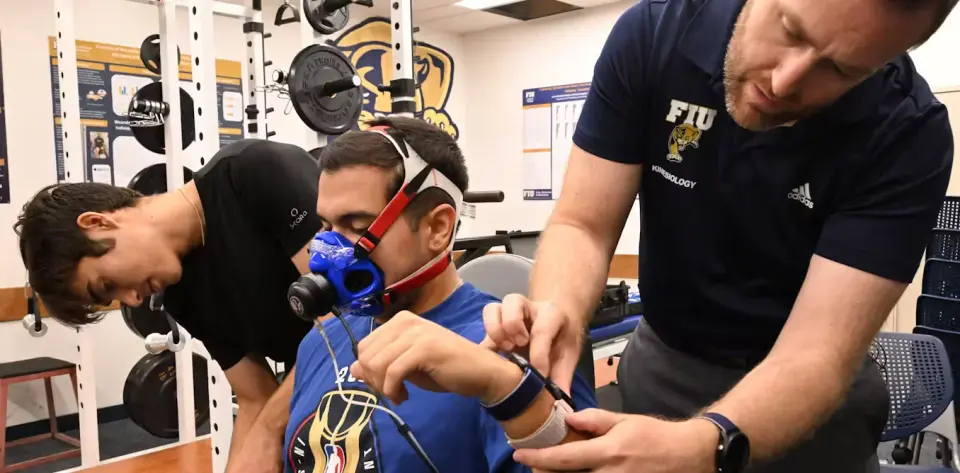
A new study from Florida International University reveals that smartwatch calorie estimates become increasingly inaccurate as the wearer's body fat percentage rises. Testing four major devices on 58 participants, researchers found median errors of 15-25%, with errors reaching 50-100% for those with higher body fat. While heart rate tracking remained reliable, the study suggests users should treat calorie counts as rough estimates rather than precise metrics for weight management.
Key points
- Researchers at Florida International University tested Apple Watch Series 8, Garmin Forerunner 955, Samsung Galaxy Watch5, and Fitbit Sense 2 on 58 Hispanic adults in Miami.
- Participants exercised on a recumbent bike while wearing the devices, allowing researchers to compare smartwatch data against a metabolic analyzer, the gold standard for measuring energy expenditure.
- All four devices showed substantial errors, with median inaccuracies ranging from 15% to 25% across the group.
- Apple, Garmin, and Samsung systematically overestimated calories burned, while Fitbit produced occasional implausible readings exceeding 450% of actual expenditure.
- The study found a strong correlation between higher body fat percentage and increased measurement error, with some devices showing errors of 50% to 100% for participants with higher body fat.
- Skin tone did not significantly affect calorie expenditure error in this specific test, though body composition was a major factor.
Background
This finding builds on earlier reports, such as a September 2026 study that noted smartwatches generally overestimate calorie burn by about a quarter. Previous research has also explored various factors influencing metabolic health, including the potential effects of coffee consumption and berry-derived compounds on fat metabolism, though those studies focused on biological mechanisms rather than device accuracy. The current study highlights a specific technological limitation in how wearables handle data from individuals with varying body compositions.
Why it matters
As approximately 100 million U.S. adults own smartwatches, the accuracy of health metrics is crucial for users relying on these devices for fitness and weight management. The finding that individuals with higher body fat receive the least accurate calorie estimates creates a potential feedback loop where those most motivated to track weight may be misled by their devices. This could lead to overconsumption if users believe they have burned more calories than they actually have, undermining weight loss goals. The study underscores the need for better calibration in wearable algorithms to account for diverse body types.
What to watch
Researchers at Florida International University are expanding their experiments to include strength training, where varying movement patterns may further challenge accurate calorie estimation. Other laboratories worldwide are also working to improve wearable technologies, focusing on how energy expenditure is estimated across different body compositions. Consumers are advised to monitor trends over time and combine smartwatch data with other metrics like heart rate and body weight for a more comprehensive view of their health.
Want the full story? Read the original reporting
Read on The Conversation