
Google AI Study Shows Smartwatch Sensors Can Flag Hypertension, But Misses One in Three Cases
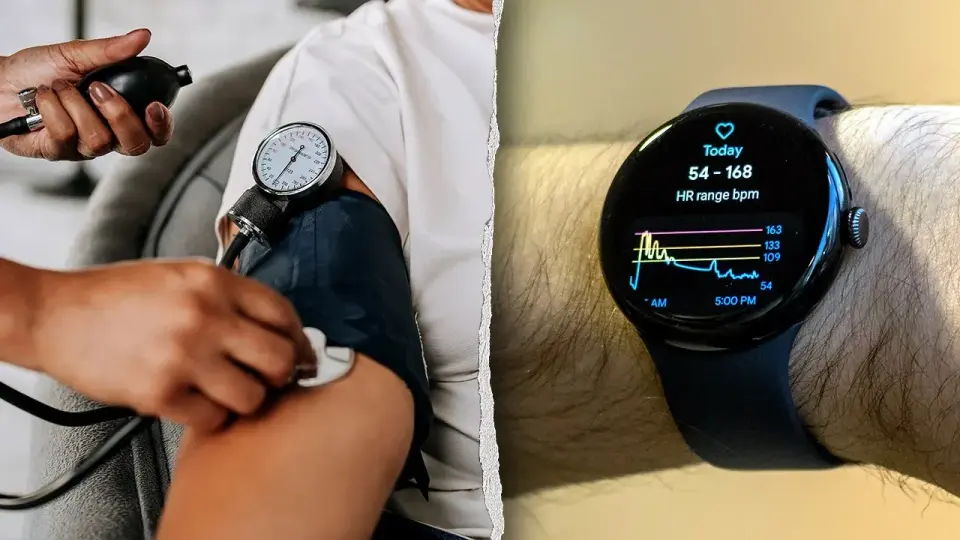
Google researchers published a study in Nature demonstrating that an AI system using standard smartwatch sensors can identify signs of hypertension without a traditional blood pressure cuff. The system analyzes pulse and movement data over several days to estimate the likelihood of sustained high blood pressure. While the technology shows promise for early detection, it missed approximately one-third of participants with hypertension in initial screening. Google’s current consumer feature, available on Pixel Watch 3, 4, and 5, provides monthly trend assessments but explicitly states it cannot diagnose hypertension or provide specific blood pressure readings. Experts emphasize that smartwatch alerts should prompt users to seek confirmation via a validated upper-arm cuff and consult a healthcare professional.
Key points
- A new study in Nature details an AI system that uses smartwatch optical and motion sensors to detect signs of hypertension without calibration.
- The system was trained on nearly 500,000 hours of data from 2,109 participants and tested in a clinical trial with 196 people across five U.S. locations.
- In initial screening, the AI achieved 65.8% sensitivity and 90% specificity, but missed roughly one in three participants with hypertension.
- Google’s existing Health Guardian feature on Pixel Watch 3, 4, and 5 offers monthly blood pressure trend assessments but does not provide diagnostic readings or specific systolic/diastolic numbers.
- Apple Watch also offers FDA-cleared hypertension notifications for Series 9 and later models, though both platforms warn that smartwatch alerts are not a substitute for clinical measurement.
Background
This development follows a trend of using wearable sensors for early disease detection, such as recent research showing wrist sensors can detect Parkinson’s gait changes years before diagnosis. Additionally, the availability of Google’s blood pressure trends feature coincides with recent price drops for the Pixel Watch 5, making the hardware more accessible to consumers interested in health monitoring.
Why it matters
Hypertension affects over one billion adults globally and often goes undiagnosed because it presents no symptoms. Early detection via ubiquitous wearables could lead to earlier interventions, reducing risks of heart attacks and strokes. However, the current technology’s inability to reliably detect all cases means it cannot replace clinical diagnostics, highlighting the need for continued validation before widespread adoption.
What to watch
Google must conduct larger-scale trials to improve the reliability of its AI system before considering a commercial diagnostic feature. Users with existing Pixel Watches can currently access the blood pressure trends feature, but should continue using traditional cuffs for accurate measurements and consult doctors if alerts are received.
Want the full story? Read the original reporting
Read on Fox News