Tag

Ai Diagnostics

All articles tagged with #ai diagnostics

UK Launches £1.4M AI Initiative to Predict Prostate Cancer Aggressiveness
health7 hours ago

UK Launches £1.4M AI Initiative to Predict Prostate Cancer Aggressiveness

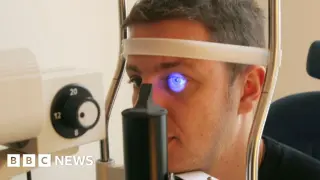
A new £1.4 million research project called Reimagine aims to develop an AI model that predicts which prostate cancers will become life-threatening. By analyzing data from over 1,000 patients and linking it to NHS records, the initiative seeks to reduce unnecessary treatments for low-risk cases while ensuring aggressive tumors are identified early. The trial begins on December 10, 2026.

UK Launches £1.4M AI Initiative to Predict Prostate Cancer Aggression
health1 day ago

UK Launches £1.4M AI Initiative to Predict Prostate Cancer Aggression

A new £1.4 million research project called Reimagine aims to use artificial intelligence to predict which prostate cancers are likely to become life-threatening. By analyzing data from over 1,000 patients and linking it to NHS records, researchers hope to reduce unnecessary treatments and biopsies for men with low-risk tumors. The initiative, led by King’s College London and funded by Prostate Cancer UK, begins on December 10.

AI and Irregular Sleep Patterns Linked to Decades of Heart Risk
health19 days ago

AI and Irregular Sleep Patterns Linked to Decades of Heart Risk

New research highlights that sleep consistency and overnight heart activity are critical predictors of long-term cardiovascular health. A five-year US study found that irregular sleep schedules double the risk of heart issues, while AI models analyzing sleep ECGs can predict heart failure and stroke risks up to ten years in advance. Experts emphasize that while sleep is a major factor, it must be integrated with other health metrics for effective prevention.

Metagenomic testing moves from pandemic discovery to routine hospital diagnostics
health1 month ago

Metagenomic testing moves from pandemic discovery to routine hospital diagnostics

Metagenomic testing, originally pivotal in identifying SARS-CoV-2, is now being adopted in hospitals to diagnose complex infections. By sequencing all genetic material in a sample, it identifies unknown pathogens and aids in distinguishing between infectious and autoimmune conditions. Advances in AI and rapid sequencing are reducing analysis times from days to hours, enabling faster treatment for immunocompromised patients and improving public health surveillance.

New Studies Link Vocal Changes and AI Speech Analysis to Dementia Risk
health1 month ago

New Studies Link Vocal Changes and AI Speech Analysis to Dementia Risk

Two major studies published in October 2026 link vocal characteristics to cognitive health. A Drexel University study found that voice disorders, especially when combined with hearing loss, significantly increase dementia risk. Simultaneously, a Trinity College Dublin study introduced an AI 'speech clock' that uses linguistic features to detect biological aging and dementia markers, offering a potential low-cost diagnostic tool.

Israeli Startup Claims 15-Minute AI Diagnosis for Brain Disorders
health-and-technology3 months ago

Israeli Startup Claims 15-Minute AI Diagnosis for Brain Disorders

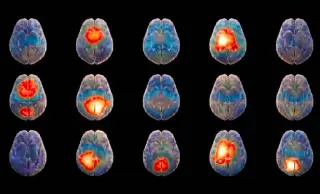
An Israeli startup has developed an artificial intelligence system capable of diagnosing brain disorders in approximately 15 minutes. This rapid diagnostic tool aims to address the significant delays often associated with traditional neurological assessments, potentially improving patient outcomes and healthcare efficiency. The technology represents a notable advancement in the application of AI within the medical field, specifically targeting complex brain conditions.

"Study Reveals ChatGPT's 17% Success Rate in Pediatric Medical Diagnoses"
health-and-medicine2 years ago

"Study Reveals ChatGPT's 17% Success Rate in Pediatric Medical Diagnoses"

A study published in JAMA Pediatrics found that ChatGPT had only a 17% accuracy rate when diagnosing pediatric medical cases, highlighting significant limitations in its current ability to replace human pediatricians. The AI struggled with understanding complex medical relationships and provided incorrect or overly broad diagnoses in the majority of the 100 cases tested. Researchers suggest that improvements could be made by training the AI on accurate medical literature and providing it with real-time medical data.