
Experts urge daily cleaning of reusable water bottles to prevent bacterial growth
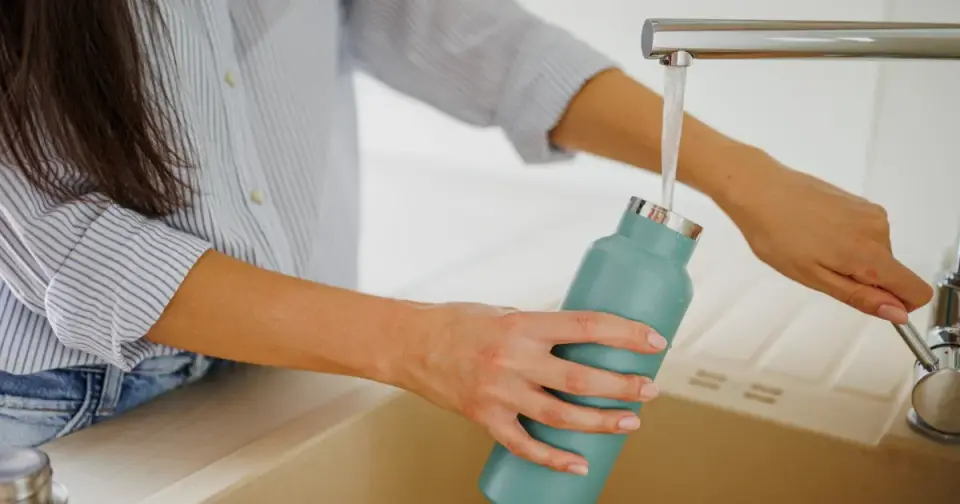
Microbiology experts advise cleaning reusable water bottles daily using lukewarm water and mild dish soap to eliminate bacteria and odors. While vinegar and baking soda can assist with residue removal, thorough scrubbing of straws and lids with specialized brushes is essential. Standing water promotes microbial growth, so emptying and cleaning the bottle every day is recommended to maintain hygiene and prevent illness.
Key points
- Dr. Sharon Nachman and Dr. Philip Tierno recommend cleaning bottles daily, as standing water allows bacteria to thrive.
- Mild liquid dish soap is effective because its surfactants reduce water surface tension, making it easier to destroy microbes.
- Lukewarm water is preferred over cold water because it dissolves soap more effectively, enhancing cleaning power.
- Vinegar and baking soda can help remove fatty particles and release gaseous material, but they are not primary germ killers.
- Specialized tools like straw-cleaning brushes are necessary to reach crevices in lids and straws that sponges cannot access.
- Dishwashers are generally not recommended for cleaning bottles due to potential damage from strong detergents, though sanitize cycles may offer some benefit.
Background
This guidance aligns with earlier warnings about the risks of storing water in plastic containers, where heat can cause chemicals and microplastics to leach into the liquid. Maintaining clean, non-plastic reusable bottles is part of a broader strategy to reduce exposure to contaminants and ensure safe hydration.
Why it matters
Improperly cleaned water bottles can harbor harmful bacteria that may cause illness or lead to unpleasant odors and tastes. Daily cleaning is a simple, low-cost habit that significantly reduces health risks associated with consuming contaminated water, especially for those who rely on reusable bottles for daily hydration.
What to watch
Consumers should adopt a daily cleaning routine, using lukewarm water, mild soap, and appropriate brushes for straws and lids. Regular inspection for odors or stains can indicate when deeper cleaning with vinegar or baking soda is needed. Avoiding dishwashers unless the bottle is explicitly labeled as dishwasher-safe is also advised.
Want the full story? Read the original reporting
Read on NBC News