Tag

Microbiology

All articles tagged with #microbiology

Disrupting Bacterial Communication Could Shift Oral Microbiomes Toward Health
science2 days ago

Disrupting Bacterial Communication Could Shift Oral Microbiomes Toward Health

Researchers found that interfering with chemical signals used by bacteria in dental plaque can shift microbial communities toward healthier states. By using enzymes to break down specific communication molecules, scientists observed a reduction in disease-associated bacteria and an increase in beneficial species, particularly above the gumline. This approach offers a potential alternative to broad-spectrum antibiotics for managing gum disease.

Pseudomonas aeruginosa Uses Mechanical Collisions to Adaptively Regulate Collective Movement
science3 days ago

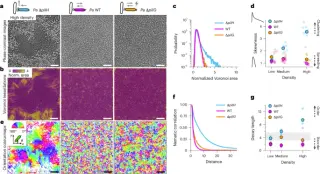
Pseudomonas aeruginosa Uses Mechanical Collisions to Adaptively Regulate Collective Movement

Researchers demonstrate that Pseudomonas aeruginosa bacteria actively regulate their collective order by sensing physical collisions with neighboring cells. This mechanosensory feedback allows bacteria to switch between disordered exploration in crowded areas and coordinated movement at the colony front, enhancing navigation through complex environments.

Pharmacies Identified as High-Risk Viral Hotspots During Cold Season
health5 days ago

Pharmacies Identified as High-Risk Viral Hotspots During Cold Season

Experts warn that pharmacies are significant hotspots for cold and flu viruses during the fall season. Because many customers are already sick or have been exposed to illness, high-touch surfaces like sign-in screens and payment terminals become contaminated. Microbiologist Jason Tetro and gastroenterologist Supriya Rao advise that even brief visits can lead to infection. They recommend using hand sanitizer immediately after touching these surfaces, applying a quarter-sized amount and rubbing for 15 seconds, to reduce the risk of contracting pathogens like rhinovirus and COVID variants.

Bacteria Detect Viral Protease Activity to Trigger Self-Destructive Immunity
science7 days ago

Bacteria Detect Viral Protease Activity to Trigger Self-Destructive Immunity

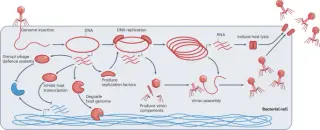
A new study in Science reveals that bacteria can detect viral invasion by sensing the enzymatic activity of phage proteases, rather than just viral genetic material. This discovery identifies a specific trigger for the CBASS immune system, which causes infected bacteria to self-destruct to prevent viral spread. Understanding this mechanism offers a pathway for engineering phages that evade bacterial defenses, potentially improving treatments for antibiotic-resistant infections.

Motel Room Lab Leads to Discovery of Two New Photosynthetic Amoeba Species
science12 days ago

Motel Room Lab Leads to Discovery of Two New Photosynthetic Amoeba Species

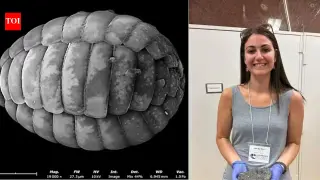
Evolutionary biologist Julia Van Etten discovered two new species of photosynthetic amoebae, Paulinella marae and Paulinella murrayi, after examining roadside water samples in a North Carolina motel room. The findings, published in September 2026, expand the known count of photosynthetic Paulinella species from four to six and offer insights into recent endosymbiotic evolution.

New Enzyme ArmA Redefines Archaeal Cell Wall Structure
science15 days ago

New Enzyme ArmA Redefines Archaeal Cell Wall Structure

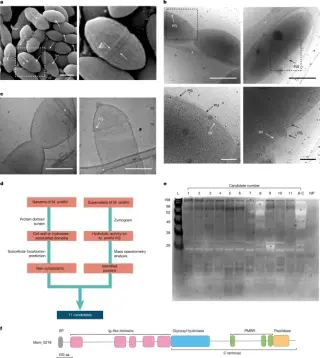
Researchers have identified ArmA, a new enzyme from the gut methanogen Methanobrevibacter smithii, which acts as the first specific hydrolase for archaeal peptidoglycan. By digesting this cell wall component, scientists revealed a previously unknown structure involving a novel sugar called N-acetylarmosamine. This discovery overturns a 50-year-old model of archaeal cell walls and provides a critical tool for studying methanogen biology, similar to how muramidases are used for bacteria.

Fire Amoeba Shatters Heat Record for Complex Life in California Volcanic Springs
science16 days ago

Fire Amoeba Shatters Heat Record for Complex Life in California Volcanic Springs

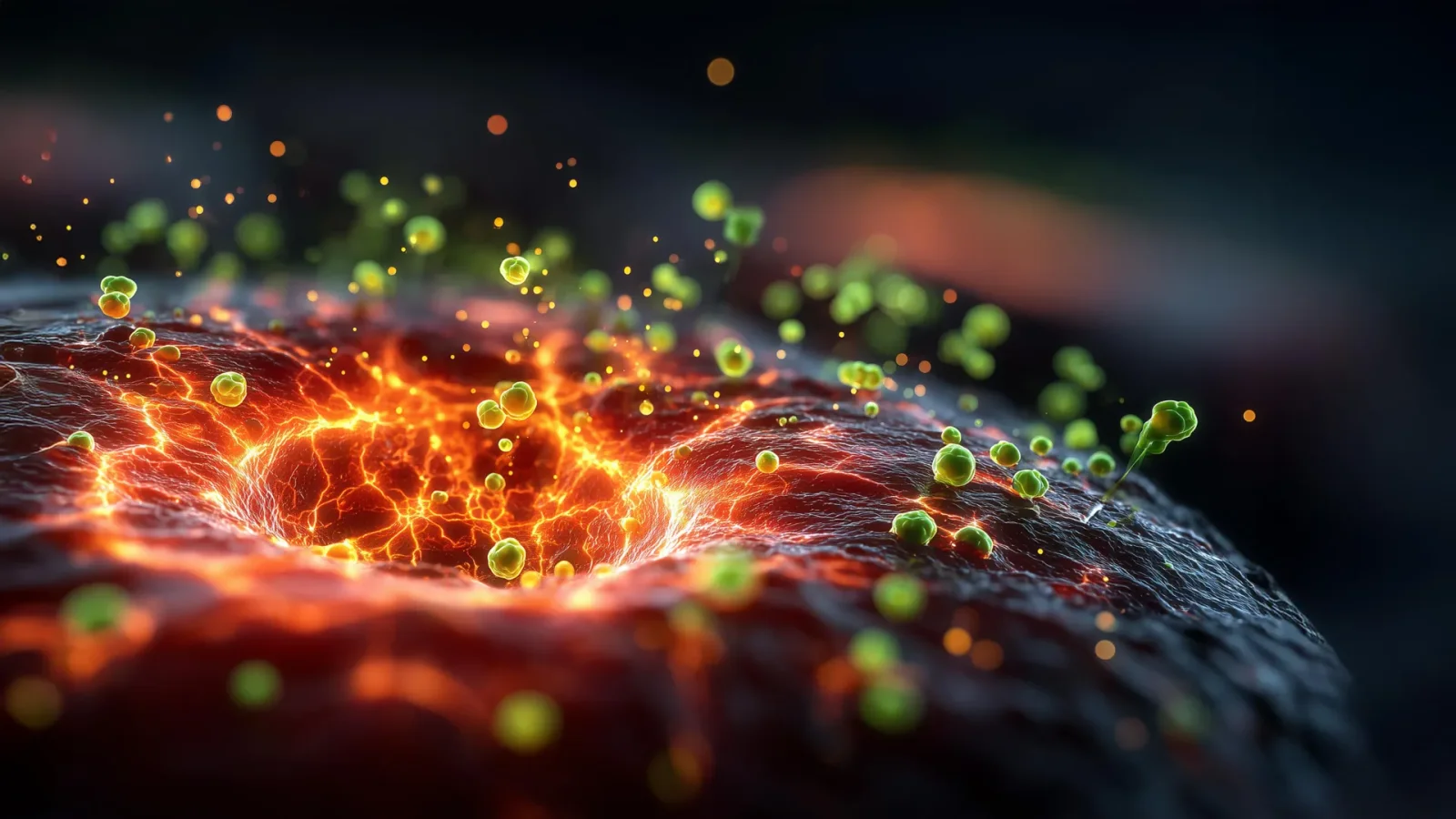
A newly identified amoeba, Incendimentoeba cascadensis, has broken the previous temperature limit for eukaryotic life by surviving and reproducing at 63°C (145°F). Discovered in geothermal streams at California’s Lassen Volcanic National Park, this organism challenges previous assumptions about the thermal stability of complex cell membranes and offers new insights into the potential for life in extreme environments.

Three generations inside one cell: Scotland’s Caledochytrium aldermaii redefines microbial reproduction
science1 month ago

Three generations inside one cell: Scotland’s Caledochytrium aldermaii redefines microbial reproduction

Caledochytrium aldermaii, a newly described Scottish protist, grows offspring inside a large internal chamber and can nest a granddaughter inside its daughter before the mother cell ruptures to release them. Documented with electron microscopy, this three‑generation internal reproduction is a novel strategy within thraustochytrids. The discovery, from a Heriot‑Watt–CEFAS–Scottish consortium, highlights the value of morphology and culture work alongside sequencing and hints at potential aquaculture relevance due to omega‑3 fatty acids produced by these organisms.

Quinone-Transporting Filaments Extend Respiration in Gram-Positive Bacteria
microbiology1 month ago

Quinone-Transporting Filaments Extend Respiration in Gram-Positive Bacteria

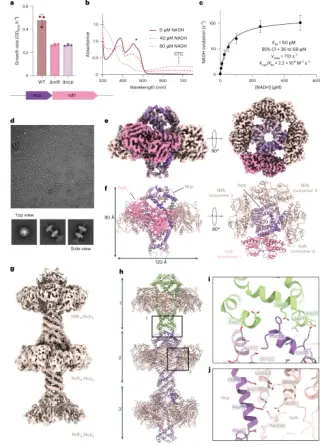
Bacillus subtilis forms filamentous Ndh–Ncp pseudomembranes that assemble as 4:4 complexes into lipid-filled tubes, creating a solvent-free hydrophobic conduit that sequesters and shuttles respiratory quinones (MK-7/MK-8 and UQ-8) from the membrane to NADH dehydrogenase. These filaments can chain into longer structures, extend the quinone pool far beyond the single Gram-positive membrane, and sustain NADH oxidation beyond bilayer limits. Lipids line the interior, Quinones occupy both the canonical and central sites, and MD simulations plus lipidomics support a protein–lipid architecture that facilitates long-range quinone diffusion. Electrochemical assays confirm NADH-driven quinone turnover at membranes stabilized by MK-7, and phylogenetic analysis shows this mechanism is widespread across Bacillota, representing a general strategy to boost bioenergetic capacity without expanding membrane area.

Pencil-Sized Plasma Gun Aims to Sanitize Spacewear
space-and-spaceflight4 months ago

Pencil-Sized Plasma Gun Aims to Sanitize Spacewear

A University of Alabama in Huntsville team has developed a pencil-sized cold-plasma “laundry gun” that blasts fabrics with a plasma jet to kill bacteria and odors, potentially keeping astronauts’ clothes cleaner in space. While proof-of-concept and small-scale, the technology could one day sterilize spacesuits and tools for long missions; researchers plan to increase the device size and add filters to reduce ozone byproducts as they work toward practical use in space.

Archaea Decode UAG as Dual Roles, Expanding the Genetic Code
science7 months ago

Archaea Decode UAG as Dual Roles, Expanding the Genetic Code

UC Berkeley researchers report that the methane-producing archaeon Methanosarcina acetivorans can interpret the UAG stop codon as either a termination signal or as the amino acid pyrrolysine, producing two protein forms from the same gene. The availability of pyrrolysine appears to influence the outcome, and about 200–300 genes may be affected, suggesting that genetic decoding can be context-dependent. This challenges the view of a single fixed genetic code and could inform new strategies for treating diseases caused by premature stop codons and expanding microbial biochemistry.

Antarctica’s Blood Falls Finally Explained: Pressure-Driven Brine and Iron From Ancient Microbes
science7 months ago

Antarctica’s Blood Falls Finally Explained: Pressure-Driven Brine and Iron From Ancient Microbes

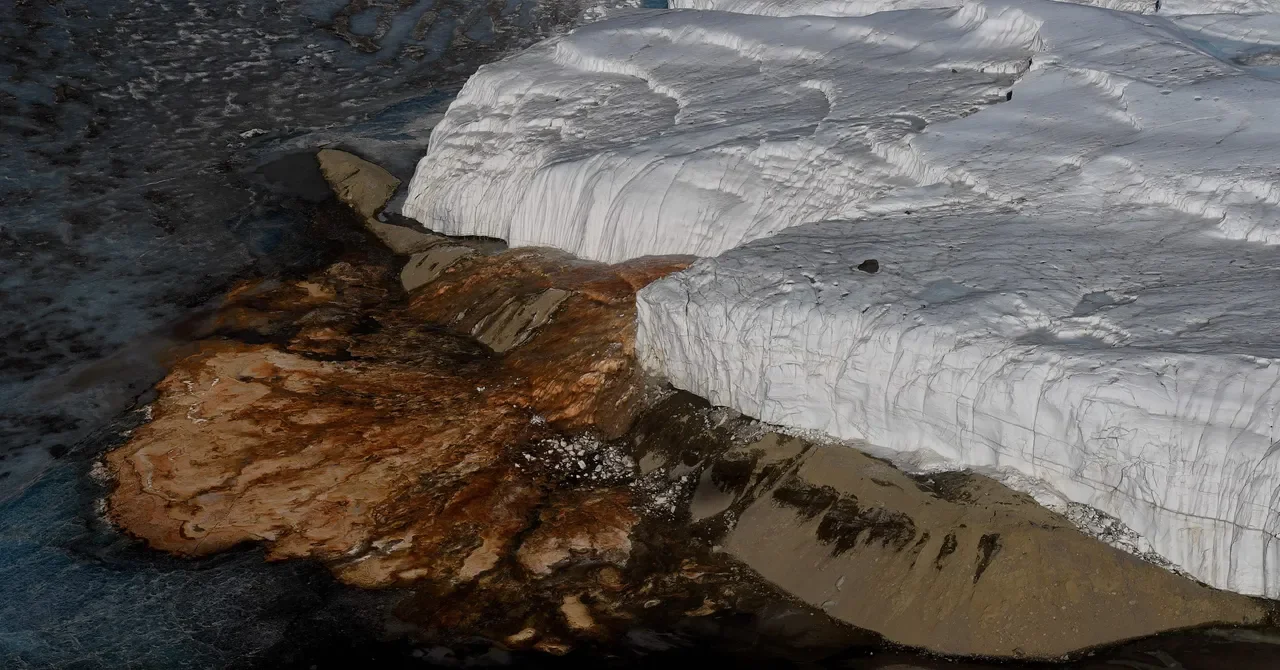
New research published in Antarctic Science explains Blood Falls: the red water is iron oxide formed by ancient subterranean bacteria, while the liquid is a hypersaline brine kept unfrozen at -20°C; eruptions occur when pressure builds in subglacial channels beneath Taylor Glacier, forcing brine out in bursts and briefly slowing the glacier, with warming's future effects still unknown.

Engineered Microbes Target Tumors by Colonizing Oxygen-Starved Cores
health-and-medicine7 months ago

Engineered Microbes Target Tumors by Colonizing Oxygen-Starved Cores

Researchers at the University of Waterloo are engineering Clostridium sporogenes bacteria to invade oxygen-poor tumor cores and consume nutrients from inside, potentially destroying tumors. They added an oxygen-tolerance gene and use quorum sensing to activate it only after enough bacteria accumulate, limiting safety risks. Next steps combine both features in a single strain and test in preclinical trials, showcasing interdisciplinary synthetic-biology cancer research.

science7 months ago

Ancient Romanian Ice Cave Bacterium Carries 100+ Resistance Genes, Defies 10 Antibiotics

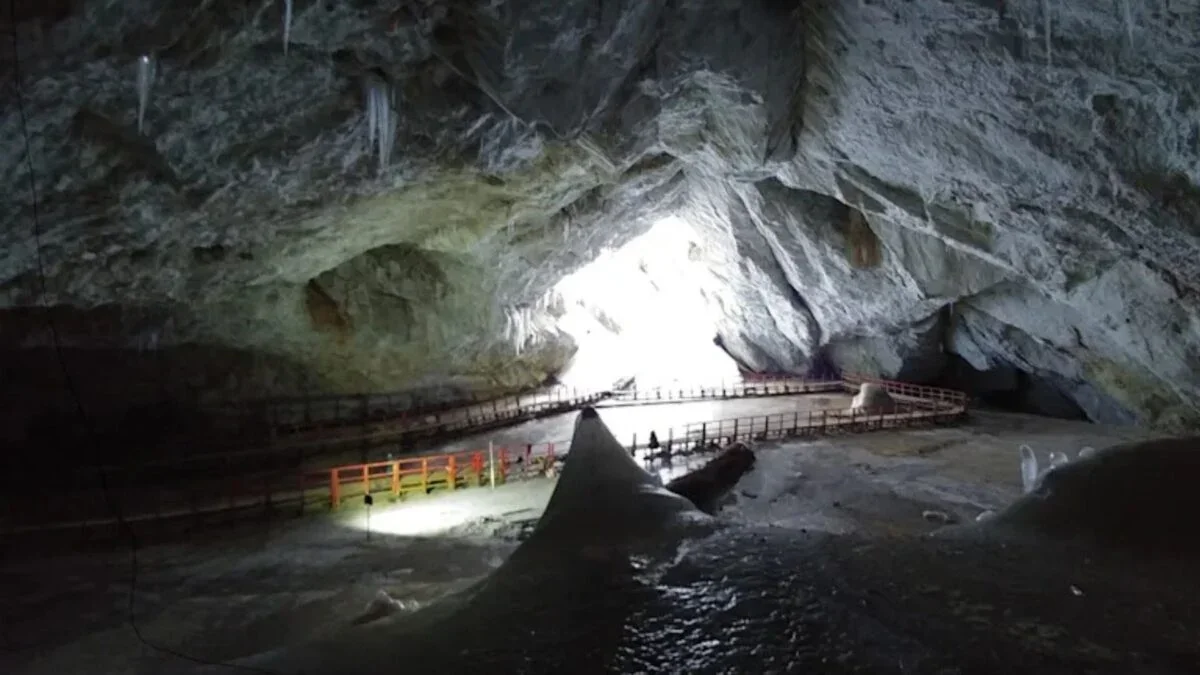
A Frontiers in Microbiology study details Psychrobacter SC65A.3 isolated from a 5,000-year-old ice core in Romania’s Scărișoara Ice Cave. Genomic analysis reveals over 100 antibiotic-resistance genes (and ~600 genes of unknown function) and resistance to ten modern antibiotics, including ciprofloxacin. While thawing ice due to climate change could release resistance genes into contemporary bacteria, the enzymes and compounds from this ancient microbe also offer potential biotechnological applications; the finding underscores the need for monitoring ancient genomes as glaciers and caves thaw and consider implications for antimicrobial resistance.

Ancient Ice Reveals a 5,000-Year-Old Drug-Resistant Bacterium
science7 months ago

Ancient Ice Reveals a 5,000-Year-Old Drug-Resistant Bacterium

A 5,000-year-old Psychrobacter bacterium retrieved from the Scarisoara Ice Cave in Romania is resistant to 10 antibiotics and carries more than 100 resistance genes, showing that antibiotic resistance evolved naturally long before modern antibiotics and highlighting the dual risks and opportunities of melting ice for public health and drug discovery.