
Sony and Microsoft Seek Dismissal of Class Actions Over Tariff-Related Console Price Hikes
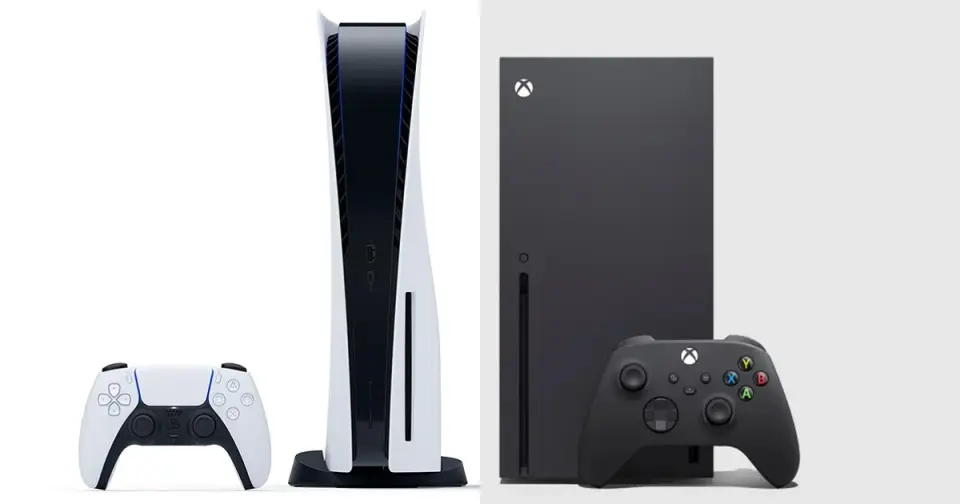
Sony and Microsoft have filed motions to dismiss class action lawsuits alleging they failed to refund consumers for 2025 price increases on PlayStation 5 and Xbox consoles. The companies argue that the price hikes were driven by broader market factors, not just tariffs, and that they are not legally required to pass on government tariff refunds to buyers. Sony expects to receive $508 million in refunds, which boosted its operating income, while Microsoft emphasizes that customers received the products they paid for at advertised prices. These legal moves follow similar dismissal requests by Nintendo and contrast with Panic, the only hardware maker to issue refunds to customers.
Key points
- Sony and Microsoft filed motions to dismiss class action lawsuits in California and Washington, respectively, arguing they are not legally obligated to provide refunds for 2025 price increases on their consoles.
- Sony’s legal team described claims linking price hikes to tariffs as 'speculative and illogical,' citing inflation, currency fluctuations, component costs, and demand as the primary drivers of pricing.
- Sony noted that it raised prices again after the Supreme Court ruled the tariffs illegal, arguing that if tariffs were the sole cause, prices would have dropped once the tariffs were eliminated.
- Sony informed investors it expects to receive $508 million in tariff refunds, which increased its Q1 operating income by 37%.
- Microsoft’s legal team argued that consumers paid the advertised price and received the product they chose, with no evidence of a direct tariff-to-price differential.
- Nintendo previously sought dismissal in a similar lawsuit, stating it did not impose a across-the-board tariff surcharge and chose to bear costs for some popular products.
Background
This legal dispute arises after the US Supreme Court ruled that certain 2025 tariffs were illegal, leading to significant refund windfalls for importers. While retailers like Walmart and Apple have used portions of their refunds to lower prices, analysts estimate only 15% to 20% of the $100 billion in total refunds will reach consumers. The current lawsuits represent a test case for whether hardware manufacturers must pass these windfalls back to buyers who paid higher prices during the tariff period.
Why it matters
The outcome of these lawsuits could set a precedent for how companies handle government refunds related to illegal tariffs, potentially determining whether consumers are entitled to reimbursements for price increases attributed to such policies. It also highlights the tension between corporate cost management and consumer protection in the face of regulatory changes.
What to watch
Courts in California and Washington will review the motions to dismiss. If the lawsuits proceed, they could lead to broader litigation against other hardware and retail companies that have received tariff refunds but not passed them on to consumers. The rulings may also influence how companies structure pricing and refund policies in response to future regulatory or tariff changes.
Want the full story? Read the original reporting
Read on GamesIndustry.biz