
BioWare veteran Mark Darrah details EA's coercive tactics that led to studio's closure
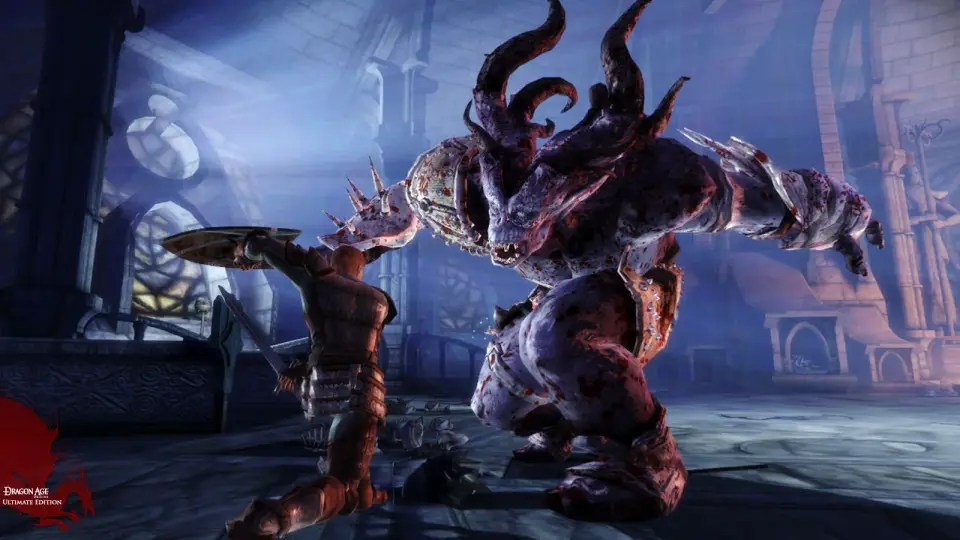
Mark Darrah, former executive producer of Dragon Age, stated in an interview that BioWare was forced to make detrimental decisions by Electronic Arts, which presented the studio with only 'terrible' options. Darrah explained that EA pressured BioWare to develop Dragon Age 2 in 14 months to compensate for delays in Star Wars: The Old Republic, a move that prioritized financial targets over creative quality. Although Darrah anticipated BioWare's closure, he noted that the studio's staff were emotionally unprepared for the shutdown, which followed a series of underperforming titles and a shift to the Frostbite engine. While Darrah focuses on internal corporate pressure, voice actress Jennifer Hale has proposed a community-driven Kickstarter to acquire the Mass Effect IP, arguing that EA could benefit from the goodwill of a fan-led collective.
Key points
- Mark Darrah, who spent 23 years at BioWare, described the studio's relationship with EA as a cycle of choosing the 'least terrible of the options' to meet financial demands.
- Darrah stated that Dragon Age 2 was developed in 14 months with extreme crunch to fill a revenue gap caused by delays in Star Wars: The Old Republic, a decision he described as being forced by EA's financial pressures.
- The former executive producer noted that while EA could claim BioWare made its own choices, the alternatives presented were all negative, leading to decisions such as adopting the Frostbite engine and shipping Anthem.
- Darrah acknowledged that BioWare staff felt the studio was on 'borrowed time' but were still surprised by the closure, which followed the underperformance of Dragon Age: The Veilguard and the shutdown of Anthem.
- Jennifer Hale, the voice of Commander Shepard, proposed that EA sell the Mass Effect IP to a fan collective via a Kickstarter, suggesting that the goodwill generated by such a move would be invaluable to the publisher.
Background
Electronic Arts closed BioWare on October 21, 2026, cancelling the next Mass Effect game and laying off approximately 50 staff. The closure followed a period of underperforming titles, including Dragon Age: The Veilguard and Anthem, and occurred one year after EA was acquired by a consortium including Saudi Arabia's Public Investment Fund. Co-founder Greg Zeschuk previously blamed executives lacking development experience for the studio's decline, while fans launched a #SaveMassEffect campaign in response to the shutdown.
How outlets are covering it
Mark Darrah, as reported by VGC and PC Gamer, emphasized the coercive nature of EA's management, using the metaphor that EA 'puts a gun on the table' and asks BioWare to shoot itself, forcing the studio to choose between equally bad options. In contrast, Jennifer Hale, as reported by GamesRadar+ and Foro3D, focused on a potential solution, proposing that EA sell the Mass Effect IP to a fan collective to preserve the franchise's legacy and generate goodwill. While Darrah highlighted the internal pressures that led to BioWare's decline, Hale advocated for a community-driven approach to save the Mass Effect series, suggesting that EA could benefit from the positive public relations of such a deal.
Why it matters
The closure of BioWare marks the end of a historic studio that shaped the RPG genre, and the statements from former employees and fans highlight the tension between corporate financial pressures and creative integrity. Darrah's account provides insight into the internal dynamics that led to the studio's decline, while Hale's proposal offers a potential path for the future of the Mass Effect IP. The situation also reflects broader concerns about the impact of private equity acquisitions on the gaming industry, as EA's ownership by a consortium including Saudi Arabia's Public Investment Fund has raised questions about the priorities of the company.
What to watch
The future of the Mass Effect IP remains uncertain, with no official statement from EA regarding the sale of the rights. Jennifer Hale's proposal for a fan collective to acquire the IP is unlikely to be accepted by EA, given the company's financial situation and the previous statements from former developers that EA 'never actually sells anything.' However, the #SaveMassEffect campaign continues to gain traction, and the potential for a community-driven acquisition of the IP remains a topic of discussion among fans and industry observers.
- Dragon Age producer says BioWare struggled under EA because it had to keep choosing ‘the least terrible of the options’ Video Games Chronicle
- Dragon Age's former boss says that poor management from EA led to BioWare shutting down because 'the options on the table were all terrible' PC Gamer
- EA should sell the Mass Effect IP straight to the community, Shepard actor Jennifer Hale says: "You cannot buy that kind of goodwill" GamesRadar+
- Jennifer Hale proposes selling Mass Effect to a fan collective Foro3D
- BioWare Legacy Highlights RPG Romances and Development Struggles cwibc.co.id
Want the full story? Read the original reporting
Read on Video Games Chronicle