
Unraveling the Impact of Chromatin Compartmentalization on DNA Damage Response
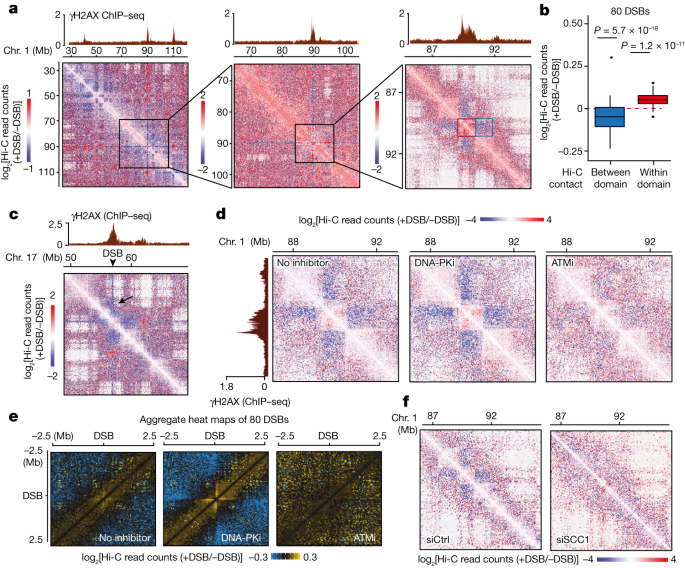
Chromatin compartmentalization plays a crucial role in the response to DNA damage. Researchers have found that DNA double-strand breaks (DSBs) induce the formation of a new chromatin compartment called the D compartment, which segregates damaged chromatin from the rest of the genome. This compartment is enriched with γH2AX and 53BP1, proteins involved in the DNA damage response. DSBs also exhibit clustering within the nuclear space, forming large structures composed of multiple repair foci. The clustering of DSBs is regulated by ATM kinase and is dependent on the cell cycle phase. These findings provide insights into how chromosome architecture influences DNA repair processes and highlight the importance of chromatin organization in maintaining genome integrity.
Reading Insights
0
13
81 min
vs 82 min read
99%
16,254 → 113 words
Want the full story? Read the original article
Read on Nature.com