Tag

Dna Damage

All articles tagged with #dna damage

New aging model hints at 156-year lifespans by tackling DNA damage
science1 month ago

New aging model hints at 156-year lifespans by tackling DNA damage

A July 2026 npj Aging paper proposes that removing the effects of somatic mutations could allow humans to live as long as 156 years, challenging the long-standing ~122-year limit. The model accounts for DNA damage but acknowledges other aging processes (mitochondrial dysfunction, epigenetic drift, telomere shortening, proteostasis loss). Experts say protecting DNA in non-regenerating organs like the brain and heart is crucial, while lifestyle measures—not smoking, healthy weight, good sleep, vaccines, and preventive care—can still meaningfully extend healthy years; there is no magic pill yet.
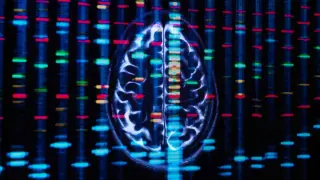
Neuronal migration causes non-lethal DNA breaks via mechanical stress
science2 months ago

Neuronal migration causes non-lethal DNA breaks via mechanical stress

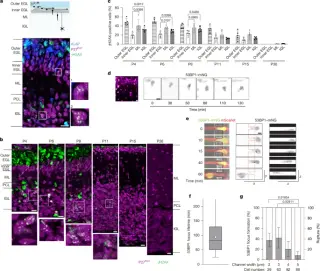
During brain development, migrating neurons experience mechanical stress as they squeeze through narrow spaces, triggering widespread DNA double-strand breaks without nuclear envelope rupture. Breaks arise from TOP2β–DNA cleavage complexes and are repaired mainly by non-homologous end joining; damage concentrates in transcriptionally inactive chromatin and retrotransposons. In mice with early Lig4 loss in migrating neurons, DSBs persist with mild transcriptional changes and age‑related motor deficits, suggesting developmental DNA damage can subtly affect brain function and disease risk.

A Longevity Variant Protects Brain DNA, Reducing Alzheimer's Risk, Study Finds
science3 months ago

A Longevity Variant Protects Brain DNA, Reducing Alzheimer's Risk, Study Finds

Buck Institute researchers find that the APOE2 gene variant helps neurons resist DNA damage and cellular aging, which may explain the lower Alzheimer's risk. In stem-cell–derived neurons and mice, APOE2-expressing cells showed less DNA damage, better repair, and resistance to senescence, and APOE2 protein could shield APOE4 neurons as well, suggesting new therapeutic avenues—though exact mechanisms are still unknown and the study used stress-induced conditions.

RNA damage takes center stage in sunburn science
science4 months ago

RNA damage takes center stage in sunburn science

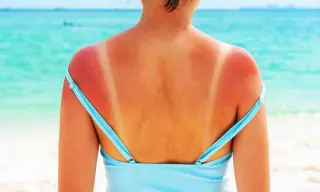
New research from Copenhagen and NTU Singapore shows the immediate sunburn response is driven by RNA damage, not DNA. UV exposure triggers RNA damage that activates the ribotoxic stress response via the ZAK-alpha pathway, leading to inflammation and cell death; knocking out ZAK in mice reduces these responses. This challenges long-held beliefs about UV damage and could rewrite textbooks, influence sun-protection strategies, and inspire new approaches to inflammatory skin conditions.

Frequent Ejaculation May Boost Sperm Quality and Fertility
health5 months ago

Frequent Ejaculation May Boost Sperm Quality and Fertility

A large meta-analysis of about 55,000 men shows that longer gaps between ejaculations increase sperm DNA damage and oxidative stress, lowering quality, while shorter abstinence can yield fresher, more motile sperm. WHO guidelines of 2–7 days for semen testing may prioritize count over quality, and a recent IVF trial found higher pregnancy rates with shorter abstinence. For natural conception, a balance between abstinence duration, sperm quantity and quality is likely best, with freshness often more important in assisted reproduction.

Oral Bacteria May Accelerate Breast Cancer by Reaching Breast Tissue
health6 months ago

Oral Bacteria May Accelerate Breast Cancer by Reaching Breast Tissue

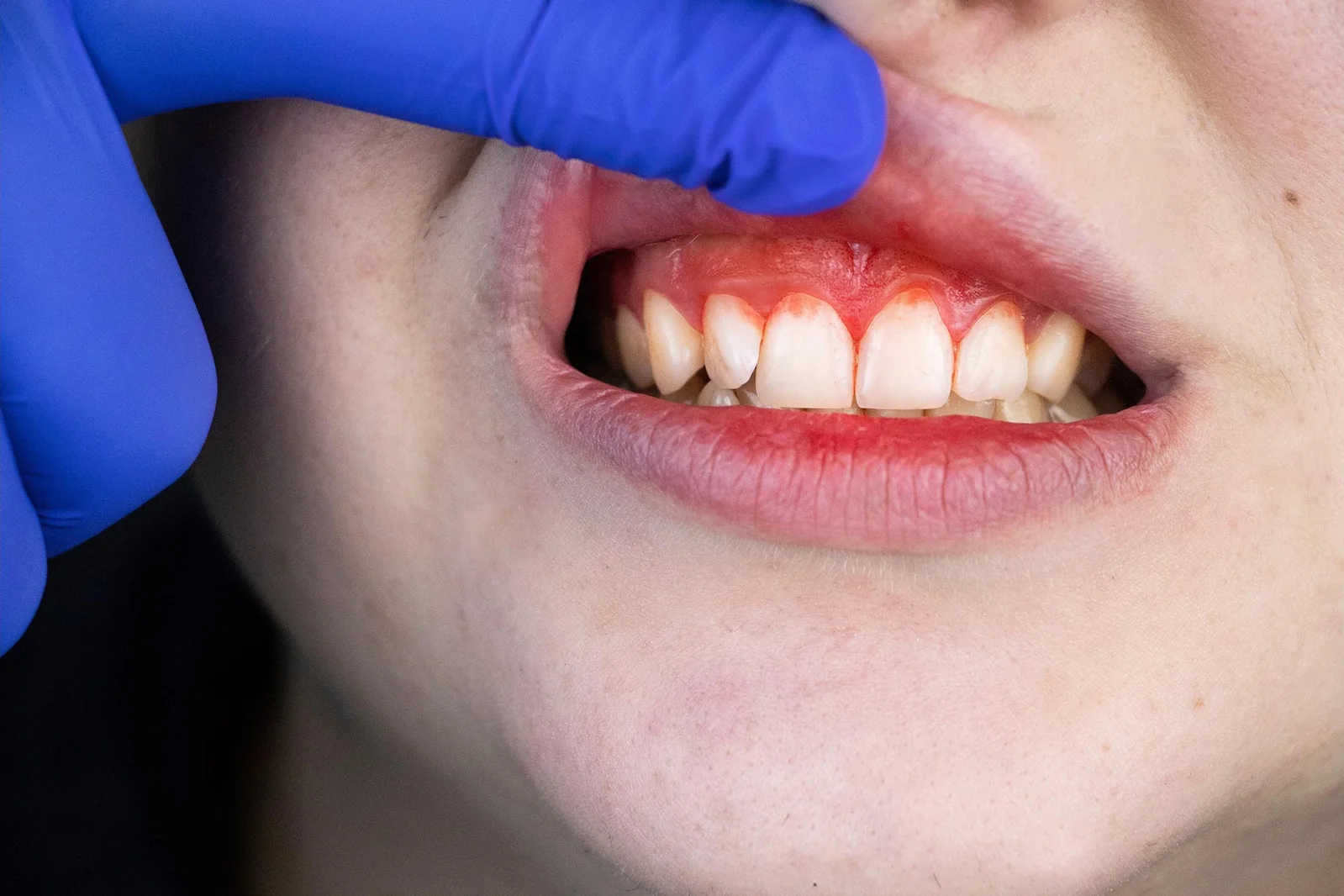
A Johns Hopkins study shows Fusobacterium nucleatum, a mouth bacterium linked to gum disease, can travel to breast tissue via the bloodstream, causing inflammation, DNA damage, and cell changes that accelerate tumor growth and spread in mouse models, with BRCA1-mutant breast cells especially vulnerable; findings suggest oral microbes may influence breast cancer risk and progression.

Tanning Beds Cause Extensive Skin Damage and Accelerate Aging
health8 months ago

Tanning Beds Cause Extensive Skin Damage and Accelerate Aging

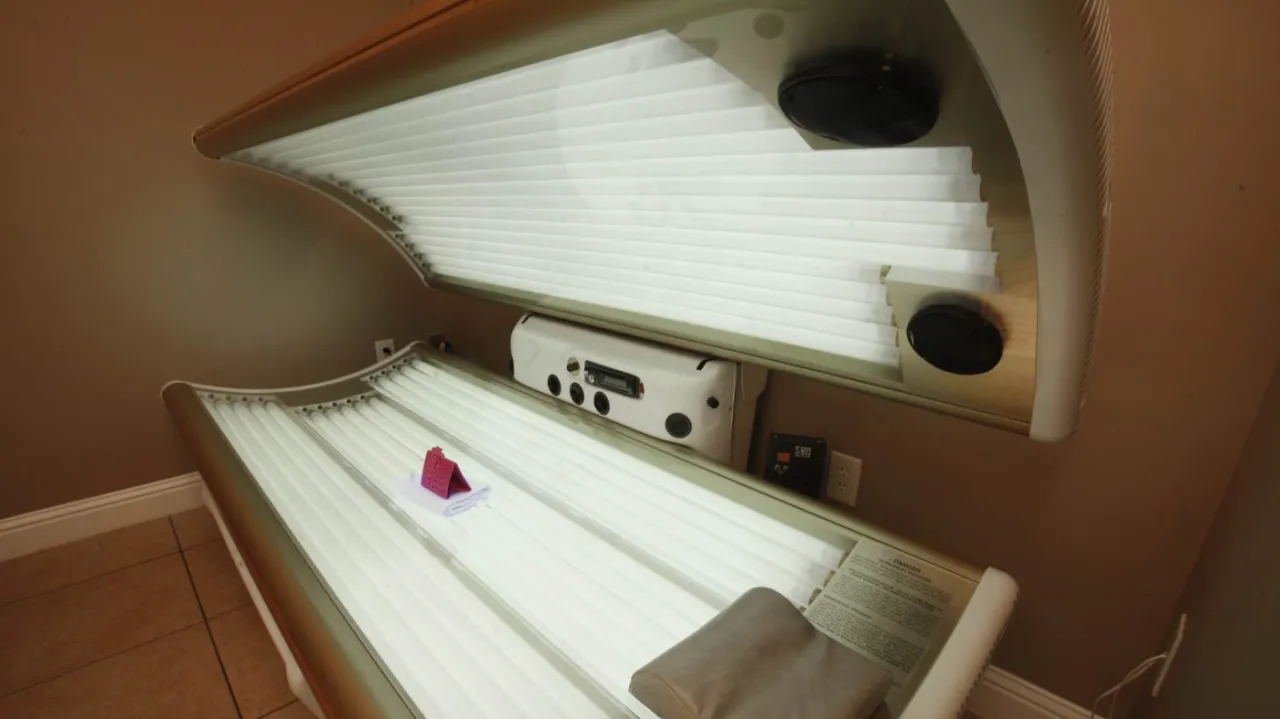
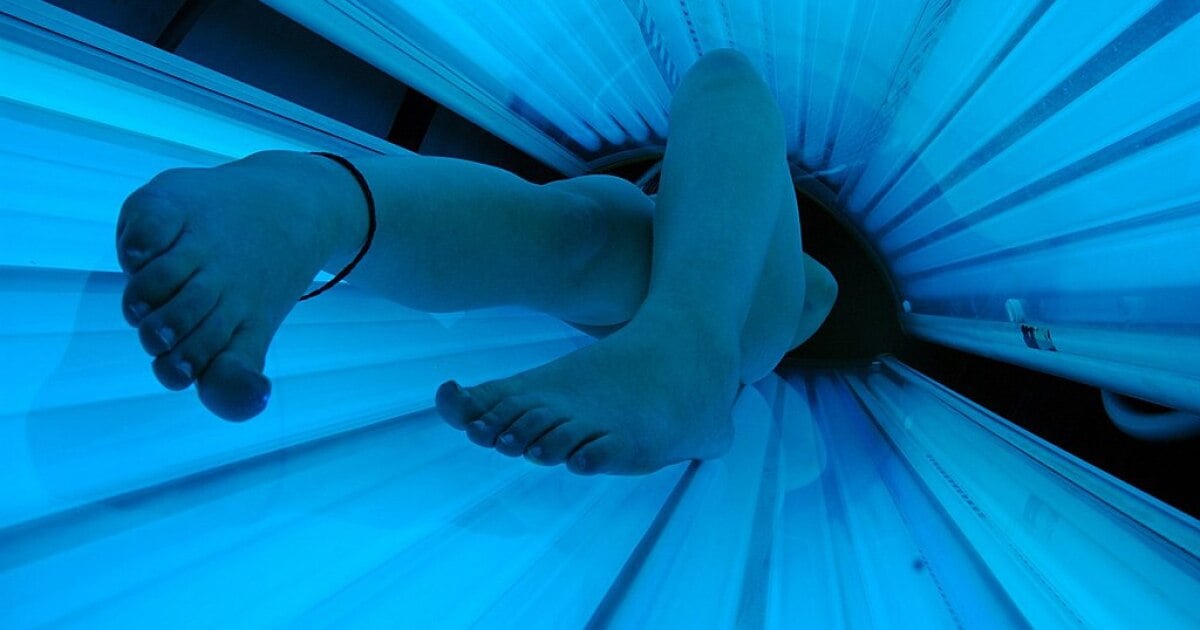
A recent study shows that tanning beds cause widespread DNA mutations across nearly the entire skin surface, significantly increasing the risk of melanoma, with indoor tanners having nearly three times the risk compared to non-users. The research highlights the dangers of indoor tanning, especially among young people, and calls for stricter regulations similar to those for other carcinogens like tobacco.

Gray Hair May Signal Natural Cancer Protection, Study Finds
health-and-science9 months ago

Gray Hair May Signal Natural Cancer Protection, Study Finds

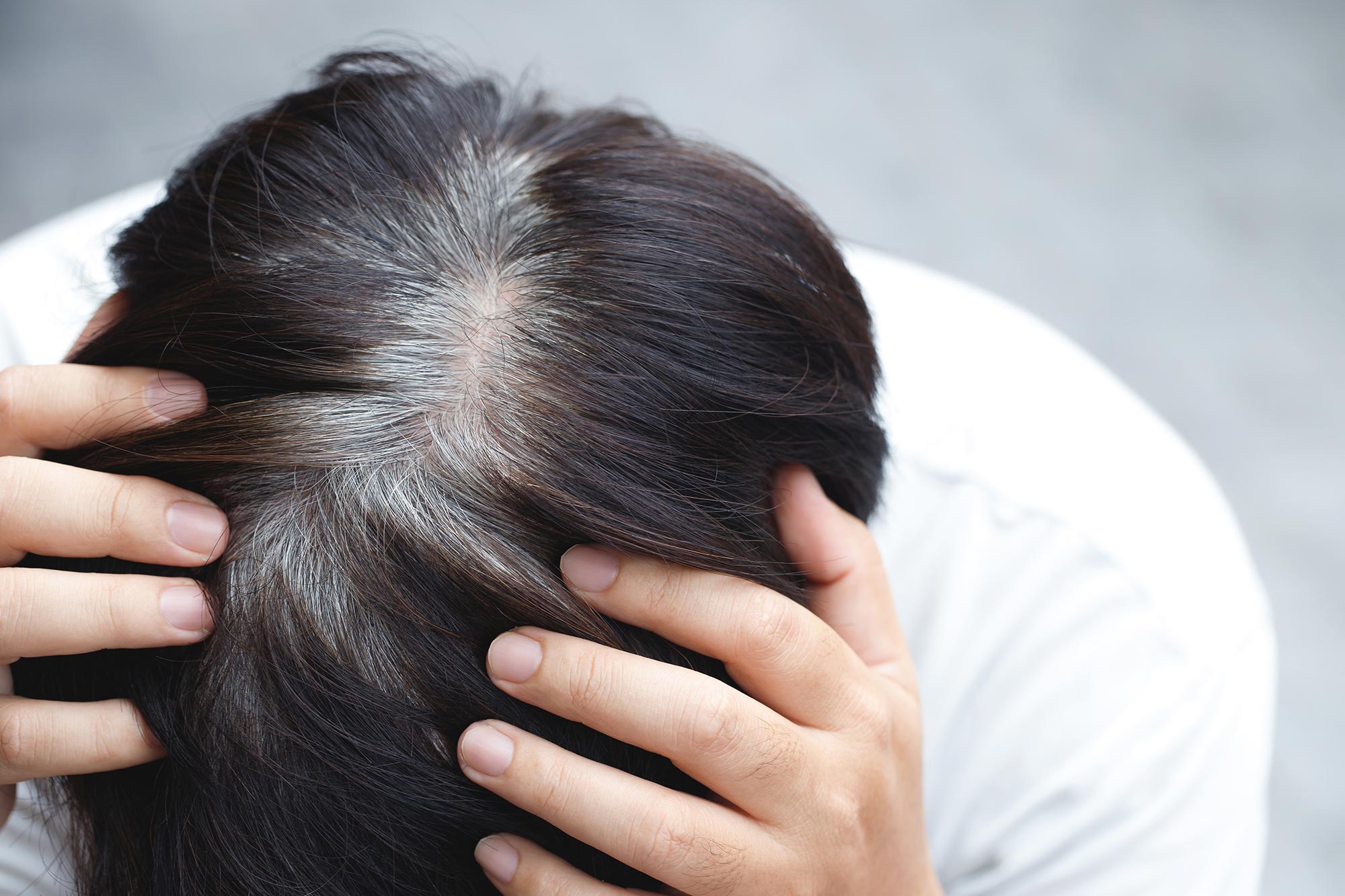
Emerging research suggests that grey hair may be an outward sign of the body's protective response against cancer, with damaged melanocyte stem cells either undergoing differentiation and disappearing (causing grey hair) or bypassing this process and potentially leading to melanoma, highlighting a complex link between aging, cellular damage, and cancer risk.