Tag

Dna Repair

All articles tagged with #dna repair

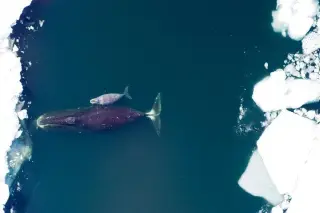
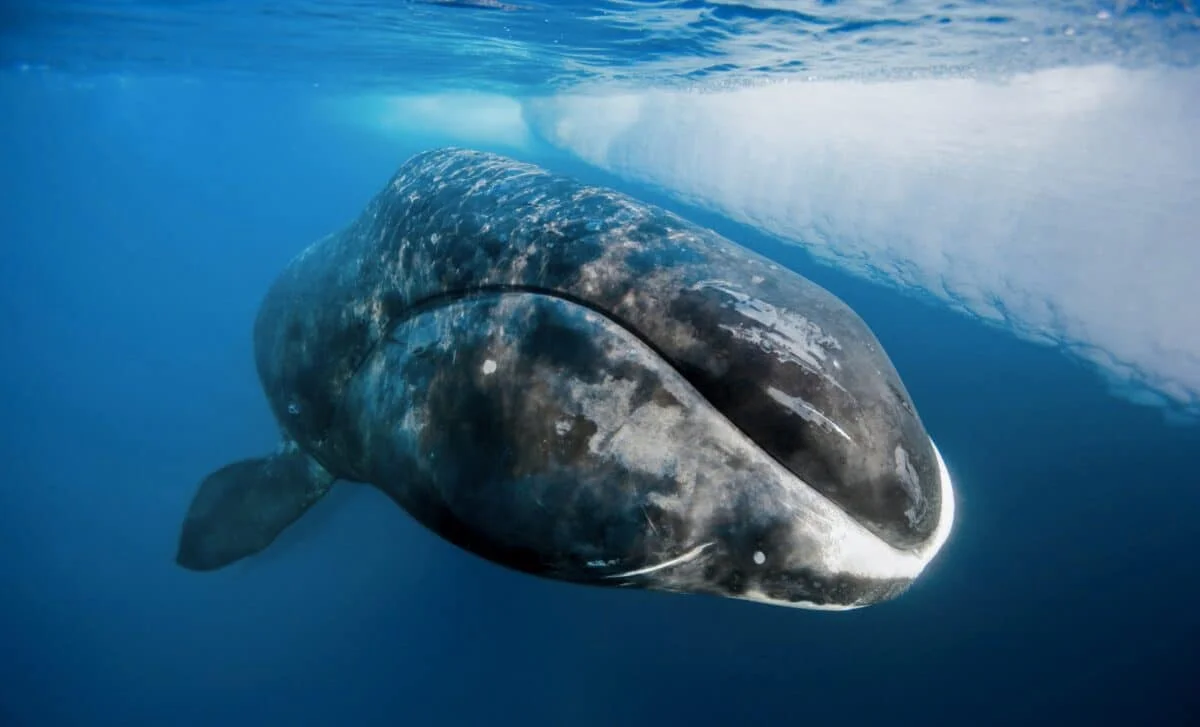
Bowhead Whale’s DNA Repair Secrets Hint at Mammalian Longevity
science14 days ago

Bowhead Whale’s DNA Repair Secrets Hint at Mammalian Longevity

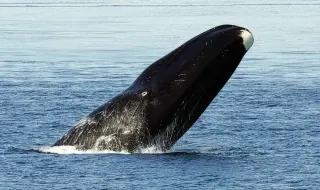
Researchers find bowhead whale cells show enhanced DNA repair, especially for dangerous double-strand breaks, and unusually high levels of the cold-inducible CIRBP protein. These genomic and cellular traits may help explain the whale’s 200+ year lifespan and its resistance to cancer, reinforcing bowheads as a valuable model for aging research. While promising, translating these insights to humans is complex and not guaranteed.

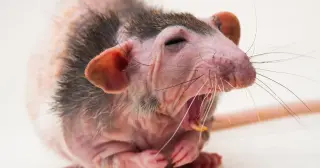
Four mutations in naked mole-rat cGAS unlock enhanced DNA repair and longevity
science18 days ago

Four mutations in naked mole-rat cGAS unlock enhanced DNA repair and longevity

Scientists traced naked mole-rats’ exceptional lifespan to four amino acid changes in their version of the DNA-sensing protein cGAS. These substitutions prolong cGAS, shifting its interaction from suppressing to promoting homologous recombination with key repair proteins, leading to more efficient DNA repair and reduced aging-related damage. Experiments removing cGAS increased DNA damage in mole-rat cells, while introducing the four substitutions into fruit flies extended their lifespans, suggesting potential human longevity avenues—but the mole-rat’s longevity likely relies on multiple mechanisms, and translating this to humans remains uncertain and distant.

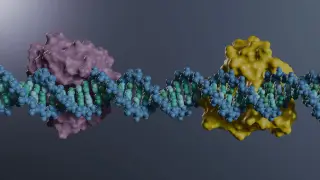
Atomic-Level Snapshots Show How Human DNA Repair Enzyme SMUG1 Works
science23 days ago

Atomic-Level Snapshots Show How Human DNA Repair Enzyme SMUG1 Works

Scientists have produced the first atomic-level images of the human DNA repair enzyme SMUG1, revealing how it recognizes and removes damaged bases such as uracil and 5-fluorouracil. By capturing SMUG1 in multiple states—alone, bound to uracil or 5-fluorouracil, and attached to double-stranded DNA—using a rare combined neutron–X-ray approach, the study maps active-site proton positions and hydrogen-bond networks. These insights advance understanding of DNA repair and could guide the design of drugs targeting SMUG1, with implications for cancer biology and leveraging Sweden’s new European Spallation Source neutron capabilities.

 Greenland shark genome reveals clues to century-long lifespan
science1 month ago

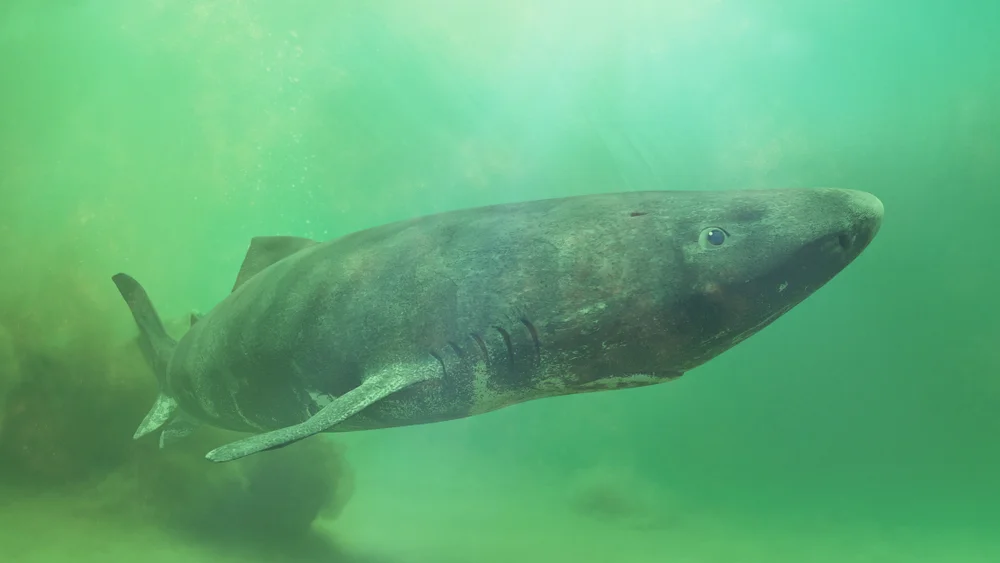
Greenland shark genome reveals clues to century-long lifespan

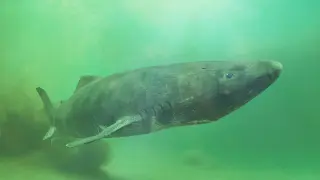
Scientists have completed the Greenland shark's first near-complete genome (96.7% coverage), revealing genetic features linked to its extraordinary longevity and cancer resistance, including amino acid changes in linker histone proteins that may stabilize chromatin and expansions of DNA repair and immune genes, plus ferritin gene expansion suggesting enhanced iron metabolism. The findings indicate longevity likely comes from coordinated genome stability, metabolism, and immune regulation, with implications for understanding aging in humans.

αKG-driven carnitine synthesis promotes histone acetylation and DNA repair in HR-proficient cancers
science1 month ago

αKG-driven carnitine synthesis promotes histone acetylation and DNA repair in HR-proficient cancers

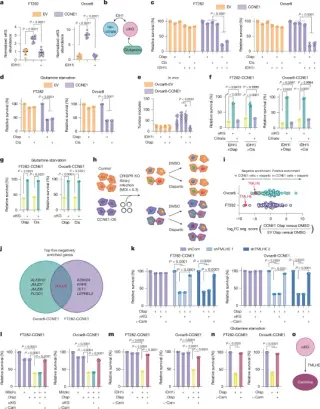
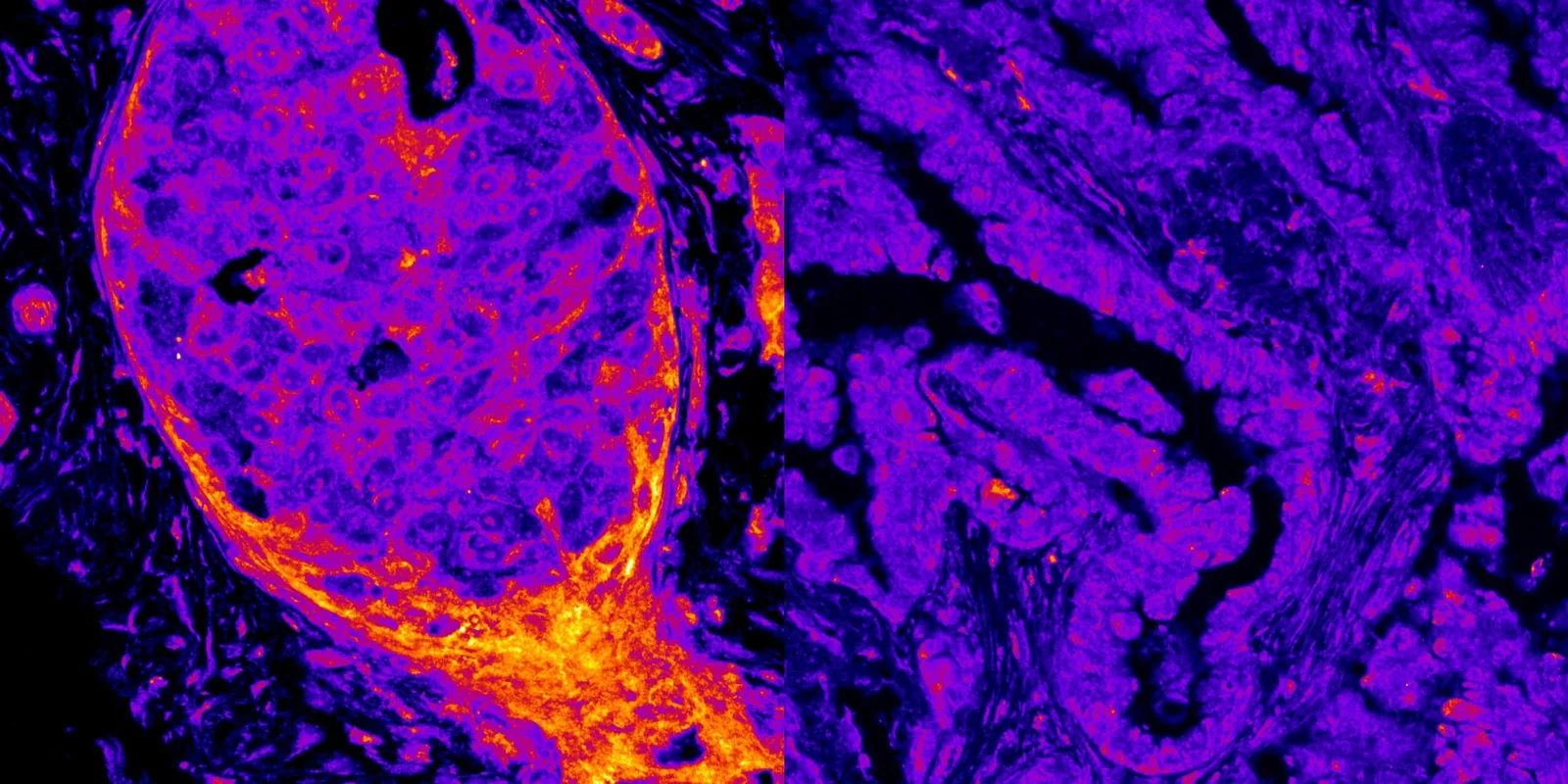
In homologous recombination–proficient cancers, α-ketoglutarate (αKG) fuels de novo carnitine synthesis via the enzyme TMLHE, boosting acetyl-CoA–dependent histone acetylation at site-specific marks (H3K23ac, H4K8ac, H4K12ac) and enabling HR repair; disrupting this αKG–carnitine axis sensitizes cells to DNA-damaging therapies, while providing αKG or acetylcarnitine rescues repair. Clinically, high TMLHE or acetylcarnitine correlates with worse progression-free survival in ovarian cancer patients treated with platinum chemotherapy. Pharmacologically inhibiting carnitine synthesis (mildronate) reduces tumor burden in combination with cisplatin in mice. These findings reveal a nonredundant nuclear acetyl-CoA pool provided by de novo carnitine synthesis that links metabolism to site-specific histone acetylation and HR proficiency, offering potential biomarkers and therapeutic strategies.

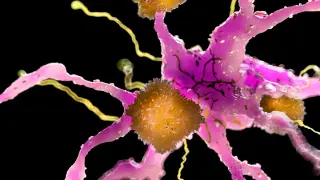
APOE2 Lets Neurons Fight DNA Damage, Slowing Brain Aging
science1 month ago

APOE2 Lets Neurons Fight DNA Damage, Slowing Brain Aging

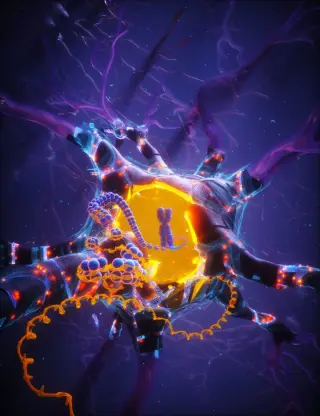
Buck Institute researchers show that APOE2 helps neurons repair DNA and resist aging by reducing DNA damage and cellular senescence; studies in human iPSC-derived neurons and aged mice reveal APOE2–driven DNA repair activation and better nuclear integrity, offering a potential mechanism for APOE2's lower Alzheimer’s risk and longer lifespan and suggesting therapies that boost DNA repair for APOE4 carriers.

One protein may unlock cancer-free longevity—could humans follow the bowhead whale's lead
science1 month ago

One protein may unlock cancer-free longevity—could humans follow the bowhead whale's lead

Scientists tracing bowhead whales’ 200-year cancer-free lifespans identify CIRBP as a key genome-maintenance protein; boosting the whale’s CIRBP in human and fruit-fly cells improved DNA repair and, in flies, extended lifespan. CIRBP levels rise in colder conditions, which may help explain bowheads’ long lives in frigid waters. Researchers are exploring ways to raise CIRBP in humans, but it’s early-stage and unproven.

Bowhead Whale DNA-Repair Protein Points to a 200-Year Human Lifespan
science4 months ago

Bowhead Whale DNA-Repair Protein Points to a 200-Year Human Lifespan

Researchers linked elevated CIRBP activity in the bowhead whale to enhanced DNA repair and reduced inflammation, a mechanism that could underlie its exceptional longevity; boosting CIRBP in fruit flies extended lifespan and stress resistance, suggesting a possible pathway to longer human life—potentially up to about 200 years if replicated in humans.

Hidden Nuclear Metabolism: Enzymes Bound to DNA Reshape Cancer Biology
science4 months ago

Hidden Nuclear Metabolism: Enzymes Bound to DNA Reshape Cancer Biology

Scientists have found more than 200 metabolic enzymes directly attached to human DNA in the nucleus, suggesting a small, tissue- and cancer-specific 'mini-metabolism' that may influence gene regulation, DNA repair, and tumor response to therapy. The enzymes’ nuclear roles appear to differ by cancer type (e.g., oxidative phosphorylation enzymes common in breast but not lung cancer) and some, like IMPDH2, show location-dependent functions, prompting potential new biomarkers and drug targets while many details remain to be clarified.

science4 months ago

RAD51 Paralogs Unite to Scaffold DNA Repair Filaments

Researchers show that all five RAD51 paralogs can assemble into two distinct, ATP-dependent assemblies: a BCDX2-CX3 loader that templates RAD51 filament formation on ssDNA, and a RAD51B-independent DX2-CX3 anchor that caps and stabilizes the filament; together, these modular assemblies define loader vs. anchor roles in homologous recombination and illuminate disease-causing mutations.

Greenland sharks may live for centuries thanks to enhanced DNA repair
science5 months ago

Greenland sharks may live for centuries thanks to enhanced DNA repair

Scientists estimate Greenland sharks can live around 400–500 years and have found that eye tissue remains capable of vision in old age due to heightened DNA repair activity. Genome analysis reveals expanded DNA repair genes and a unique p53 insertion, and their hearts tolerate age-related damage. Researchers caution that this does not imply immediate human health applications or any antiaging use for shark products.