
Electrical Current Involves Three Distinct Speeds, Not Just Light Speed
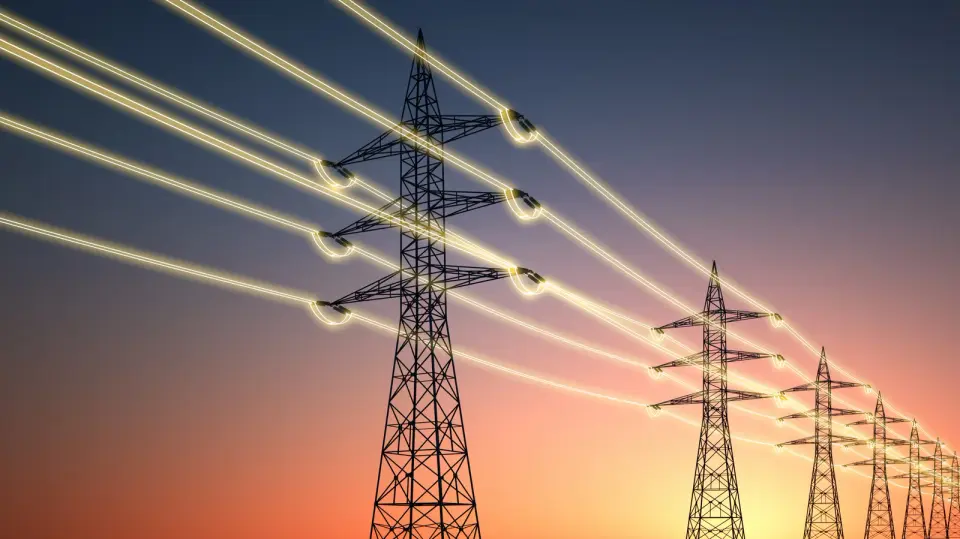
A common misconception holds that electricity travels at the speed of light. In reality, electrical current involves three distinct speeds: individual electron velocity, electron drift velocity, and electromagnetic signal velocity. Individual electrons move chaotically at millions of miles per hour but produce heat, not current. Drift velocity, the net movement of electrons, is extremely slow, moving at only a few feet per hour. Electromagnetic signal velocity, which carries energy and information, propagates near the speed of light, though slightly slower than light in a vacuum. This distinction explains how devices like phone chargers and high-speed networking operate instantly despite the slow physical movement of electrons.
Key points
- Individual electron velocity is chaotic, reaching millions of miles per hour, but results in heat rather than directed current.
- Electron drift velocity is the slow, ordered net movement of electrons, occurring at only a few feet per hour.
- Electromagnetic signal velocity propagates near the speed of light, though slightly slower than light in a vacuum, carrying energy and data.
- The electromagnetic field influences electrons across a circuit almost simultaneously, enabling instant device operation despite slow electron drift.
- Network bit rates depend on hardware and router efficiency, not just the physical speed of electromagnetic signals.
Background
The article clarifies a widespread misunderstanding about how electricity functions in conductors. It distinguishes between the chaotic thermal motion of electrons, their slow net drift, and the rapid propagation of electromagnetic fields. This framework helps explain everyday phenomena, such as why lights turn on instantly when a switch is flipped, and extends to applications like high-speed networking and experimental roads that charge electric vehicles while driving. The piece also notes that understanding electron interactions provides insights into energy storage limitations, such as battery life and the battery barrel effect.
Why it matters
Understanding the three distinct speeds of electrical current resolves common misconceptions about how energy and information travel in circuits. This knowledge is crucial for fields like electrical engineering, networking, and energy storage, as it clarifies why devices operate instantly despite the slow physical movement of electrons. It also highlights the importance of electromagnetic field propagation in technologies ranging from household outlets to high-speed data networks.
What to watch
The article does not specify future developments, but it implies that continued research into electron interactions and electromagnetic fields will deepen understanding of energy storage limitations and improve technologies like battery life and high-speed networking. Engineers and scientists may further explore how signal velocity and drift velocity interact in advanced applications, such as experimental roads that charge electric vehicles while driving.
Want the full story? Read the original reporting
Read on BGR