
ESA Abandons Ariane 6 Block 3 Upgrades Amid Launch Capacity Concerns
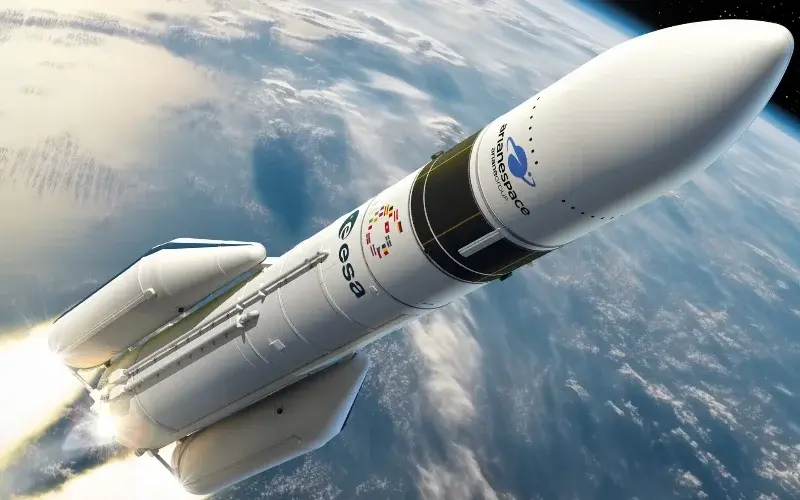
The European Space Agency has officially shelved planned upgrades for the Ariane 6 Block 3 variant. This decision comes as Europe faces a projected shortage of launch capacity by 2030, with current production levels insufficient to meet growing demand from satellite constellations and defense sectors.
Key points
- ESA confirmed the cancellation of the Ariane 6 Block 3 upgrade program.
- Europe faces a potential launcher gap by 2030 due to rising demand from satellite constellations like Iris², Galileo, and Copernicus, as well as defense requirements.
- Current launch capabilities are estimated at nine to ten missions per year, while demand projections suggest a need for approximately 15 launches annually.
- ESA is exploring expanded production for both Ariane 6 and Vega-C to bridge the capacity gap.
- The decision occurs amid increased competition from SpaceX and China for launch contracts.
Background
In August 2026, ESA leadership warned that Europe would face a shortage of homegrown rocket launchers around 2030. This warning highlighted the disparity between current capabilities and future demand driven by major satellite programs and defense needs. The agency has since been evaluating strategies to increase production rates and reform procurement funding to address this shortfall. The Ariane 6 rocket itself completed its inaugural flight in July 2024, demonstrating its versatility and efficiency, but the shelving of the Block 3 upgrades represents a significant shift in the development roadmap for Europe's primary heavy-lift launcher.
Why it matters
The cancellation of the Ariane 6 Block 3 upgrades signals a strategic pivot for European spaceflight, prioritizing immediate launch capacity over advanced technological upgrades. This move is critical for ensuring Europe can meet the growing demand for satellite launches and defense missions, while also addressing competitive pressures from global rivals like SpaceX and China. The decision underscores the urgency of bridging the projected launch gap by 2030 through expanded production and funding reforms.
What to watch
ESA is expected to focus on increasing the production rate of Ariane 6 and Vega-C to meet the projected demand of 15 launches per year. The agency will likely continue to explore procurement and funding reforms to support this expansion. Additionally, Europe may seek alternative partnerships or technologies to ensure long-term access to space, given the competitive landscape and the need to maintain a robust launch capability.
Want the full story? Read the original reporting
Read on European Spaceflight