
Accessory makers cite low demand and lack of OEM support for sparse Motorola Razr case options
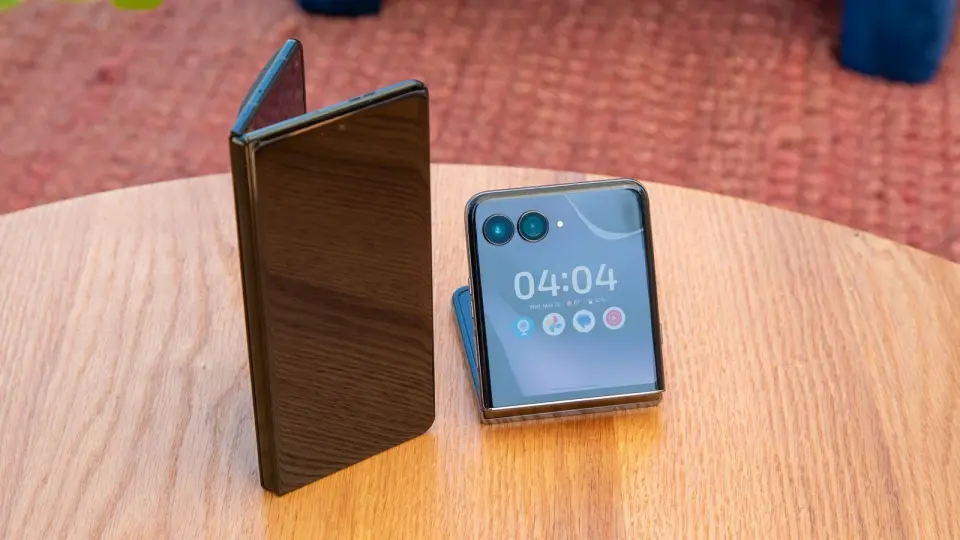
Major accessory brands are largely ignoring Motorola's Razr foldables due to low perceived demand and the absence of structured OEM partnership programs. While competitors like Samsung and Google offer early access to third-party developers, Motorola provides no such lead time, forcing accessory makers to rely on post-launch consumer interest. Despite holding a significant share of the U.S. foldable market, Motorola's lack of proactive engagement results in limited third-party case options, with only small, independent brands stepping in to fill the gap.
Key points
- Major brands like OtterBox and CASETiFY prioritize devices with high global user bases and established accessory demand, currently focusing on Samsung, Apple, and Google.
- Motorola lacks structured partnership programs like Samsung's SMAPP or Google's 'Made for Google,' leaving accessory makers without lead time to develop products before launch.
- Small brand Thinborne invested $32,000 to create a premium, thin case for the Razr Fold after larger brands declined, prioritizing market presence over immediate profit.
- Motorola's official response claims an active partnership program, but industry insiders argue this does not address the structural lack of early collaboration and B2B opportunities.
- The Razr Fold and Razr Ultra 2026 are priced at $1,699 and $1,499 respectively, yet lack the third-party accessory ecosystem seen with similarly priced competitors.
Background
Motorola has consistently outperformed Google in U.S. smartphone market share over the last five quarters and holds approximately 50% of the U.S. foldable market. Previous coverage noted the Razr Ultra 2026's competitive specs against Samsung's Galaxy Z Flip 8, highlighting Motorola's strong hardware positioning despite its accessory ecosystem gaps.
Why it matters
The scarcity of third-party cases for high-end Motorola foldables highlights a disconnect between hardware market share and accessory ecosystem development. This gap forces consumers to rely on fewer, often more expensive, or less established options, potentially impacting the overall user experience and perceived value of Motorola's premium devices.
What to watch
Accessory makers may expand support for Motorola if specific models demonstrate sustained traction. Motorola may need to implement structured partnership programs to provide third-party developers with earlier access to device specifications and development timelines.
Want the full story? Read the original reporting
Read on Android Central