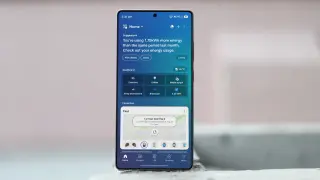
Early Fitbit Air shipments are hitting Android pairing problems because Google Health app v5.0 hasn’t rolled out to all devices yet; Google says it’s accelerating the update to accommodate early deliveries, while iOS users are unaffected.
Google Play Store code in version 51.4.19 hints at a feature that would notify Android users when an installed app is removed or delisted, addressing the current gap where Play Protect only alerts for serious security issues; the idea comes from work-in-progress strings spotted in APK teardowns and may not yet be released publicly.
Android Authority argues that Samsung and Google’s seven-year update promises are mostly marketing; despite the long-supply appeal, battery life declines, flagship features get withheld on older hardware, and update cadence quality varies, so most users won’t experience seven years of parity—faster, more consistent updates matter more.
Samsung’s One UI 8.5 and One UI 9 are not rivals but consecutive updates: 8.5 is a major skin refresh built on Android 16 (with features like Quick Share) rolling out globally in May 2026, while 9 is a new engine built on Android 17 that’s currently in beta for the Galaxy S26 with a planned full release around July 2026 for foldables. You can’t skip directly from 8.5 to 9, and not every device will receive 9 due to hardware/upgrade limits. If you’re on a supported device, install 8.5 when offered; 9 will follow later if eligible, but it’s not guaranteed for all.
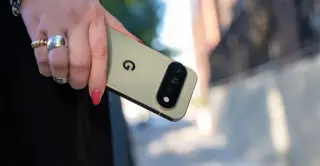
An Android Authority writer argues that Samsung’s Good Lock—a modular, official customization toolkit—gives Galaxy phones a level of control (keyboard, Quick Settings, per-app timeouts and volume, edge gestures, and more) that Pixel can’t match. While Pixel offers a clean stock Android experience and faster updates, the breadth and polish of Good Lock make switching to Pixel impractical for him right now.
Samsung announced a free over-the-air software upgrade that brings the latest features and security enhancements to millions of Galaxy devices across multiple generations, with rollout staggered by region and model. Users can update via Settings > Software update; no cost to consumers, and compatibility varies by device.
GameNative, an Android app built on Pluvia, lets you install and play Steam, Epic Games Store, GOG, and standalone PC games offline on Android, with a default “known configs” feature that auto-optimizes game settings. Creator Utkarsh Dalal envisions the app could replace handheld PCs like Steam Deck within two years, leveraging Proton/FEX and community Turnip drivers to boost compatibility on ARM devices. The project is free and open-source, with plans for store partnerships and OEM integration, while Valve’s tooling indirectly benefits Android gaming. Nevertheless, x86-Android compatibility remains a challenge, though newer Snapdragon 8 Elite Gen 5 hardware and expanding GPU driver support are narrowing the gap.
The Clicks Communicator, a keyboard-equipped Android phone, revealed that it will launch with Android 17 and feature a 4,450mAh silicon-carbon battery, up from 4,000mAh, with working samples targeted for next month and the pre-order deposit option still available.
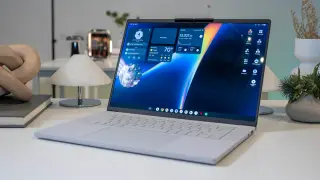
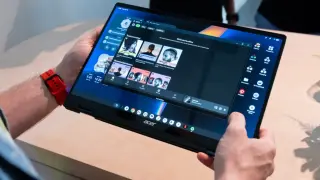
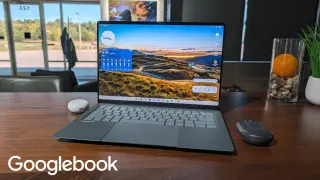
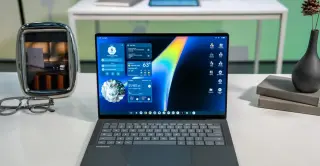
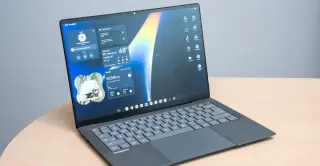
Google unveils a dedicated Googlebook developer hub that guides developers to build desktop-grade apps using multi-pane layouts, precise input handling, contextual cursors, and true multi-window and drag-and-drop support, with Android Studio Canary's desktop emulator and Adaptive AI Skills to auto-generate desktop-optimized layouts ahead of a fall rollout.
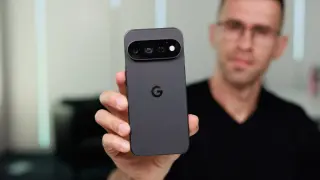
Google has released Android 17 QPR1 Beta 3 for Pixel 6 and newer ahead of the June Pixel Feature Drop, with two build versions for different models, fixes for media playback, Wi-Fi drops, and widget disappearance after reboot, and adds a bounce-back effect to Quick Settings along with a blur UI on the power menu. It also outlines opt-out steps (downgrade may wipe data) and notes that a stable Android 17 release is expected next month.
At Google I/O, Google revealed Android refinements including a redesigned Magic Cue that’s expanding to more apps with a floating bottom button, and a cross-device Continue On feature that lets an app session move seamlessly between devices (phone to tablet and beyond), along with Wear OS 7 updates and other ecosystem improvements.
Sean Hollister uses Google AI Studio to turn a prompt into a working Android app in minutes, building a calorie counter and two games; the process is fast and promising, but friction remains—daily limits, upsell pressures, and some rough apps that still show the potential of prompt-to-phone coding.
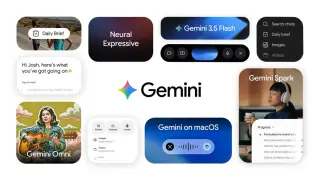
Google I/O 2026 spotlighted AI-driven updates across its product lineup, centering on Gemini developments, Android enhancements, and a major, AI-powered overhaul of the search experience, signaling deeper AI integration across Google’s apps and services.
During Google I/O 2026, Google unveiled AI Studio, a prompt-driven tool to build native Android apps with an embedded emulator and optional real-device testing, targeting personal-utility, hardware-enabled, and Gemini-powered experiences; apps created with AI Studio must still pass Google Play’s quality standards, and Google also released a 1.0 Android CLI and plans for Gemini-backed app recommendations and a Play Shorts feed for apps.