
Torres Introduces Power to Players Act to Mandate Game Ownership Over Licenses
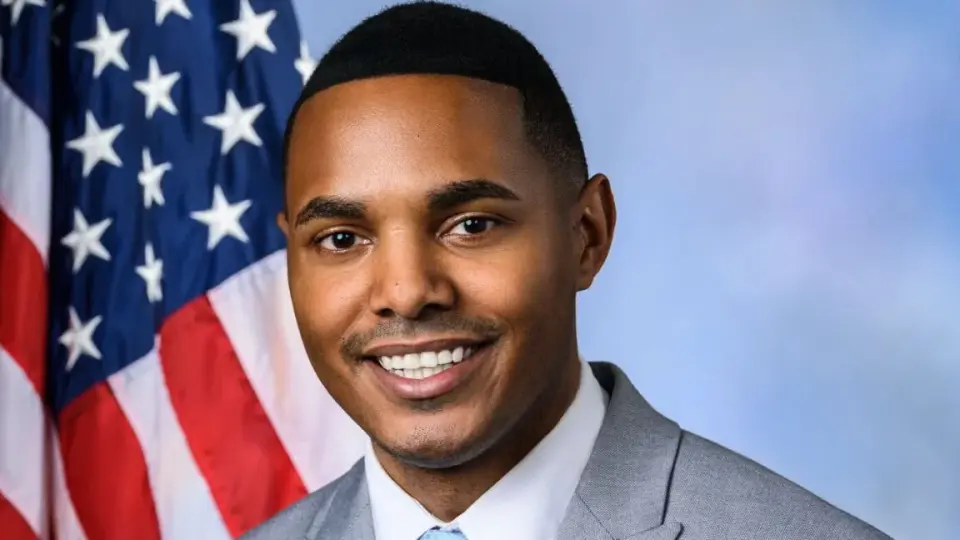
Rep. Ritchie Torres has announced the Power to Players Act, a bill directing the FTC to ensure video game purchases grant ownership rather than revocable licenses. The legislation aims to prevent games like NBA 2K25 from becoming unplayable after server shutdowns by requiring offline modes. While Torres frames this as restoring historical norms, the bill faces significant hurdles, including technical feasibility concerns for online-only games and reduced regulatory power for the FTC following recent Supreme Court rulings.
Key points
- Rep. Ritchie Torres (D-NY) announced the Power to Players Act on October 15, 2026, which would direct the Federal Trade Commission to regulate video game sales to ensure consumers own the software rather than holding a revocable license.
- The bill cites NBA 2K25 as a primary example; the game, priced at $69.99, is scheduled to be delisted from digital stores on October 30, 2026, with online servers shutting down on December 31, 2026, rendering it unplayable for many users.
- Key provisions require companies to provide offline modes for games with online functionality before server shutdowns, ensuring players can continue to access the game even if online services are discontinued.
- Torres described the measure as a 'restoration to the historical norm' of game ownership from the 1990s and an affordability issue, noting that families in the Bronx and elsewhere should not have to treat purchases as temporary rentals.
- The legislation faces potential obstacles, including the lack of a full public text, the possibility of dying in committee, and legal challenges due to the 2024 Supreme Court decision overturning Chevron deference, which limits the FTC's ability to interpret ambiguous laws.
Background
This proposal emerges amid growing consumer frustration with digital-only distribution models. Recent industry shifts, such as Sony’s announcement to discontinue physical media for its next console generation and the release of Grand Theft Auto 6 as a digital code, have intensified debates over preservation and ownership. Previous legislative attempts, including a California state bill that stalled in committee in June 2026, have highlighted the difficulty of passing such measures. Additionally, the rise of AI-driven decompilation tools has introduced new, albeit currently illegal, methods for game preservation, complicating the regulatory landscape.
How outlets are covering it
Ars Technica emphasizes the technical hurdles, noting that requiring offline modes for games engineered for online play may be infeasible and could force developers to redesign game architecture. Engadget highlights the legal uncertainty, pointing out that the FTC’s regulatory power has been weakened by the 2024 Supreme Court decision overturning Chevron deference, which could allow courts to block the agency’s new rules. Kotaku focuses on the political and cultural context, noting that while the bill aligns with the Stop Killing Games movement, it faces the same low odds of passage as most legislation, with 87% of bills never reaching a vote. Torres’s office and Kotaku both stress the consumer protection angle, framing the issue as one of basic ownership rights and affordability, whereas Ars Technica and Engadget are more skeptical about the bill’s practical enforceability and legislative viability.
Why it matters
The Power to Players Act represents a potential shift in how digital goods are legally defined in the United States. If passed, it could establish a precedent for consumer ownership in other digital media sectors, such as music and movies, which have also faced delisting issues. However, the bill’s success depends on navigating complex technical and legal barriers, including the feasibility of offline modes for online-centric games and the current limitations on federal agency authority. The outcome will influence how publishers design and sell future titles, potentially forcing a return to more permanent ownership models or leading to new forms of digital preservation.
What to watch
The bill must be formally introduced in Congress before it can proceed through committee. Torres has not confirmed cosponsors or Republican support, and the full text is not yet public. The FTC’s ability to enforce the regulations will likely be tested in court, given the post-Chevron legal landscape. Industry stakeholders, including major publishers, are expected to lobby against restrictions on their sales models. Consumers and advocacy groups like Stop Killing Games will likely monitor the bill’s progress and may push for similar protections in other digital media sectors if the gaming legislation succeeds.
- US Rep proposes bill to give video game buyers "ownership," not "a license" Ars Technica
- Rep. Torres Announces Power To The Players Act, Legislation to Ensure Gamers Own Their Games House.gov
- NY Congressman To Introduce Bill Protecting Video Game Ownership Engadget
- Rep. Ritchie Torres Announces Congressional Legislation To Protect Video Game Ownership: 'If You Pay For It, You Own It' Kotaku
- New York rep announces game ownership bill that would require consumer ownership rather than sale of licenses — would also require publishers to keep the game functional after support ends Tom's Hardware
Want the full story? Read the original reporting
Read on Ars Technica