
Apple Upgrade: New Financing Model and Controversial Device Lockdowns
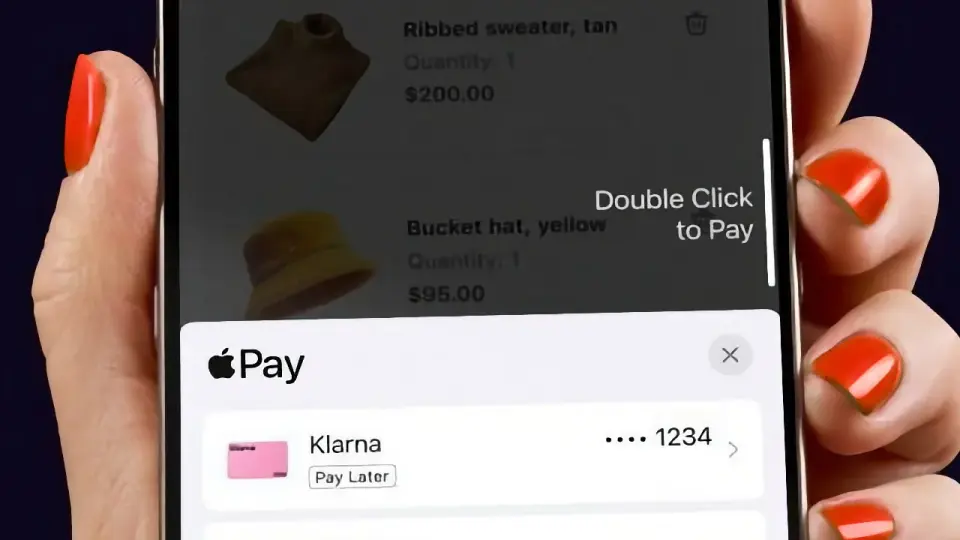
Apple is set to launch a new device financing program called 'Apple Upgrade' in the US on July 28, 2026. The initiative, developed in partnership with Klarna, allows consumers to lease iPhones, iPads, Macs, and Apple Watches through monthly payments. The program features a 24-month term for phones and watches, and 36 months for tablets and computers. While this lowers upfront costs, it introduces strict restrictions, including the potential to lock devices into 'Restricted Mode' if payments are missed. This new model replaces the older iPhone Upgrade Program and excludes AppleCare coverage.
Key points
- The 'Apple Upgrade' program is scheduled to launch in the US on July 28, 2026, according to Bloomberg.
- The financing is handled by Klarna, requiring a soft credit check for approval.
- Lease terms are 24 months for iPhones and Apple Watches, and 36 months for iPads and Macs.
- Customers can pay off early, upgrade to a new device, or return the current one at the end of the term.
- The program replaces the existing iPhone Upgrade Program and does not include AppleCare insurance.
- iOS 27 beta code reveals an 'App Managed Features' framework that can restrict app access for missed payments.
Background
Apple has a history of offering financing options, such as the previous iPhone Upgrade Program and the now-discontinued Apple Pay Later. The company recently raised prices across its hardware and subscription services, including Apple Music and iCloud+, making affordability a key concern for consumers. This new program follows a trend of increasing device costs, particularly with the rumored high price of the upcoming iPhone Fold.
How outlets are covering it
AppleInsider highlights the financial benefits for Apple, noting how the program helps sell high-priced devices like the iPhone Fold by lowering upfront costs, while also mitigating credit risk through Klarna. MacRumors provides a factual overview of the program's terms and its launch date, emphasizing the transition from the old upgrade program. Gizmodo and The Verge focus on the consumer risks, specifically the 'Restricted Mode' feature that can turn a smartphone into a 'dumb phone' by locking out most apps if payments are missed. They criticize the lack of AppleCare coverage and the potential for users to lose access to their devices and app subscriptions despite continuing to pay for them. The outlets differ in their emphasis, with AppleInsider and MacRumors focusing on the program's structure and benefits, while Gizmodo and The Verge highlight the potential downsides and consumer control issues.
Why it matters
The Apple Upgrade program represents a significant shift in how Apple sells its devices, moving towards a leasing model that could impact consumer spending and device ownership. The introduction of 'Restricted Mode' and 'Partner Finance Lock' raises concerns about consumer rights and device control, potentially setting a precedent for other tech companies. The program's success could influence Apple's future product launches and pricing strategies, especially in a challenging economic environment.
What to watch
The 'Apple Upgrade' program is expected to launch in the US on July 28, 2026. Apple may expand the program to other countries in the future. The company is also expected to launch new Mac models and the iPhone Fold in the coming months, which could be financed through this new program. The implementation of 'Restricted Mode' and 'Partner Finance Lock' in iOS 27 will be closely monitored for any changes or removals before the official release.
- Apple Upgrade will be great for Apple, might not be good for the buyer AppleInsider
- Top Stories: 'Apple Upgrade' Program, Apple Music Price Hike, and More MacRumors
- Apple to Launch ‘Upgrade’ Device Leasing Program With Klarna to Spur Sales Bloomberg.com
- Apple Could Turn Your iPhone Into a Dumb Phone for Missed Lease Payments Gizmodo
- iOS code could reportedly let Apple cut off apps when users miss iPhone payments The Verge
Want the full story? Read the original reporting
Read on AppleInsider