
Instagram Replaces Decade-Old Cursive Logo with Controversial Hybrid Design
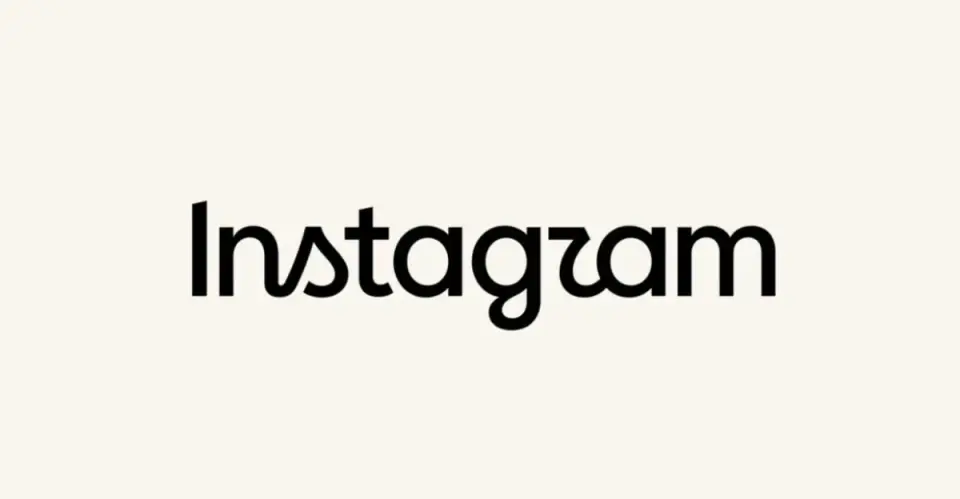
Instagram has introduced a new wordmark, replacing the cursive typeface used for the past ten years. The update, described by Instagram head Adam Mosseri as 'cleaner and more modern,' features a hybrid style mixing cursive and print elements. The change has sparked significant user backlash, with many critics noting that the new design is less legible and resembles the word 'Instagzam.'
Key points
- Instagram unveiled a new wordmark, marking the first change to its logo in a decade.
- The new design replaces the iconic cursive typeface with a hybrid of cursive and print styles.
- Instagram head Adam Mosseri announced the update on his account, describing it as a necessary refresh.
- Users have criticized the new logo for being less legible and resembling 'Instagzam.'
- Mosseri posted the update to Threads to gauge public reaction, anticipating controversy.
Background
Instagram's previous cursive wordmark had been in use for ten years. The platform is owned by Meta, which has been undergoing various branding and structural changes across its social media properties. This update follows a trend of tech companies revisiting their visual identities to appear more modern, though such changes often face resistance from users attached to established brand aesthetics.
Why it matters
The reaction to Instagram's new logo highlights the sensitivity of brand identity changes in the tech industry. While Mosseri aimed for a modern look, the public's negative response underscores the risk of altering long-standing visual elements. This incident may influence how Meta and other tech companies approach future branding updates, prioritizing user familiarity over perceived modernization.
What to watch
Meta may monitor user feedback to determine if the new logo needs further adjustment or if it will be retained despite the backlash. The company might also use this incident to refine its approach to future branding changes, potentially involving more extensive user testing before public rollout.
Want the full story? Read the original reporting
Read on The Verge