Effective October 6, the combined entity of Paramount and Warner Bros. Discovery will officially adopt the name Skydance, replacing the historic studio brands with the label of David Ellison’s production company.
Chili's has launched its 'Suburban Collection,' a new line of apparel and accessories designed to capitalize on the brand's growing popularity with Generation Z. The collection, available since September 30 on WelcomeToChilis.com, features items like rugby shirts, hoodies, and jewelry that reference the chain's iconic menu items and logo. This move aligns with Chili's broader strategy to expand its brand presence through merchandise and marketing collaborations, including recent viral margarita promotions tied to popular media.
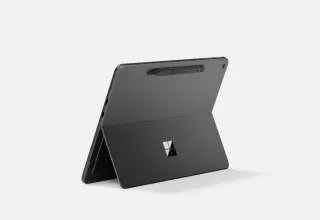
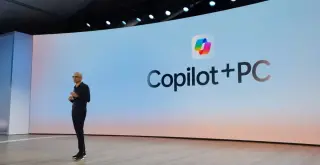
Microsoft has officially retired the 'Copilot+ PC' branding for its latest Surface Laptop and Surface Pro, despite these devices meeting the original hardware requirements. Surface Corporate Vice President Brett Ostrum confirmed the change, stating that the label was a transitional tool to define a specific category of AI-capable devices. As NPUs become ubiquitous, the brand is being dropped in favor of standard spec sheets. This move follows poor consumer reception of the Copilot AI assistant and the Recall feature, with Qualcomm's Kedar Kondap also agreeing that the branding is likely finished.
Microsoft and Qualcomm have effectively retired the 'Copilot Plus PC' brand, despite new Surface devices still meeting the original hardware requirements. The shift follows poor consumer reception of AI features and the ubiquity of NPUs in modern laptops.
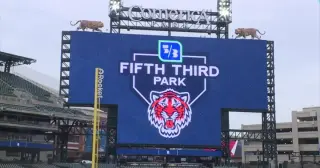
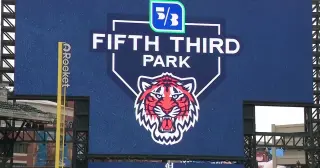
The Detroit Tigers' home stadium, Comerica Park, will be renamed Fifth Third Park starting in 2027 after Fifth Third Bank’s acquisition of Comerica; signage changes begin next season, continuing a trend of corporate naming rights in sports and reflecting a mutually beneficial branding arrangement.
The Tigers' home field, Comerica Park, will be renamed Fifth Third Park following Fifth Third Bank's acquisition of Comerica Bank in a $10.9 billion merger; the new name is slated to take effect for the 2027 season, marking the first rename since the ballpark opened in 2000 and signaling the bank's long-term commitment to Detroit.
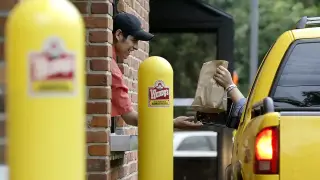
Wendy's is bringing back its long-loved yellow packaging for Frostys, nuggets, burgers and fries starting Sept. 28, with a rollout that lasts into 2027, as fans have long clamored for the retro look amid a broader nostalgia trend in fast food.
An opinion piece argues Fortnite’s crossovers, notably with Kingdom Hearts, illustrate a branding dilemma: turning beloved characters into purchasable in-game skins blurs their canon and reduces them to marketing props rather than living identities. Citing examples like SEGA’s android Sonic, Disney’s restrained use of Mickey, and Coca-Cola’s AI-driven ads, the piece contends that when brands loosen character control for hype, fans lose trust and franchises risk dilution—the result being a hollowed-out perception of the characters once tied to richer narratives.
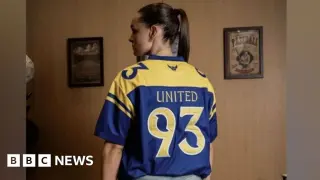
Oxford United apologised after a Campus Clothing line used 'United 93' on the back of shirts meant to reference the club’s founding year, but the reference evoked the 9/11 hijacking; the collection was withdrawn, with the club taking responsibility for poor due diligence and pledging to tighten approval processes.
Sydney Sweeney’s provocative nude ad for a sports trading app drew backlash from athletes and critics who say it sexualizes women in sport, while others argue it reflects her branding and will generate attention. Experts note the campaign highlights competing narratives about agency and representation, and caution that public perception can shape reality even if the ad doesn’t harm her career.
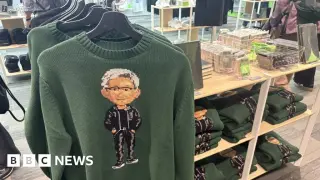
Tech giants such as Nvidia, OpenAI, Anthropic, Palantir and Anduril are selling limited-edition branded apparel and accessories that frequently sell out, using exclusive drops to boost brand image and fan loyalty. Experts say the strategy borrows from fashion to elevate desirability and reputation, not just revenue, though some items can become politically charged or controversial.
Kraft Heinz CEO Steve Cahillane plans to invest about $700 million in product innovation and marketing to revive the company’s brands for a new generation, aiming to refresh pantry staples while keeping core brands largely intact.
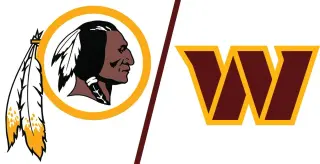
Washington Commanders’ retro merch featuring the former Redskins branding has rekindled a debate over trademark law. The team says it must maintain the marks to keep control of branding, while legal scholars argue the episode exposes gaps in current law and urge reforms, such as limiting abandonment claims or creating a registry for retired, historically significant marks to prevent the resurfacing of racist branding.
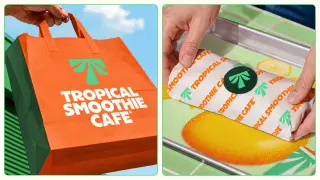
Tropical Smoothie Cafe unveiled a brighter, palm-frond branding and a unified packaging design as it pursues rapid growth under Blackstone, aiming to exceed 1,800 locations by year-end and expand internationally. The company has consolidated its marketing budget into an $80 million fund, grown its loyalty program to 13 million members, and is rolling out a redesigned mobile app and website and testing self-order kiosks to drive repeat business. Most revenue comes from franchising; net income in fiscal 2025 was $115.4 million on $131.4 million in revenue. No IPO is planned for now, with growth opportunities strongest in the West and Midwest amid wellness-driven demand for beverages.
Carter’s is refreshing its 161-year-old brand with a new shooting-star logo, a “Watch Them Glow” campaign, and revamped social channels and a creator program to better connect with Gen Z and millennial parents. The multi-year overhaul includes Glow Grants, partnerships with kids-focused organizations, and a stronger emphasis on self-expression and storytelling, boosted by increased marketing spend that has already contributed to revenue gains.