
iPhone 17 poised to surpass iPhone 4’s 15-month flagship dominance record
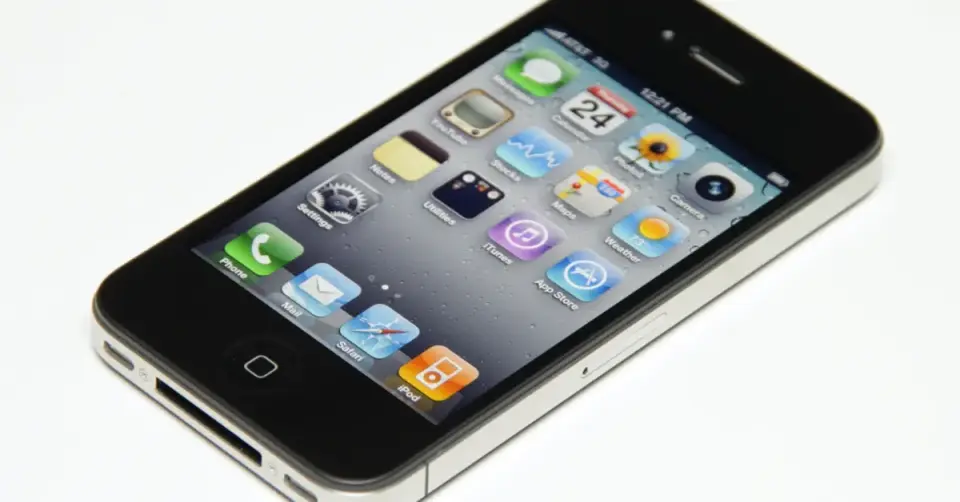
The iPhone 17 is expected to become the first Apple flagship to exceed the 15-month market dominance record set by the iPhone 4 in 2010. By delaying the standard iPhone 18 launch until spring 2027, Apple will keep the iPhone 17 as its top standard model for approximately 18 months. This strategy contrasts with the iPhone 4 era, where no Pro models existed, and differs from the iPhone 11 Pro’s 13-month run, which was the previous closest contender. The delay is driven by Apple’s decision to split the iPhone 18 lineup, releasing Pro and foldable models in fall 2026 while holding back standard models for spring 2027.
Key points
- The iPhone 17, launched in September 2025, is projected to remain Apple’s top standard flagship for roughly 18 months, surpassing the iPhone 4’s 15.7-month record from 2010 to 2011.
- The iPhone 4’s record was set during a period when Apple shifted its launch cycle from summer to fall, resulting in a long gap before the iPhone 4S arrived in October 2011.
- The iPhone 11 Pro previously held the second-longest run at 13.1 months, a duration extended by pandemic-related delays to the iPhone 12 launch in 2020.
- Apple’s current strategy involves splitting the iPhone 18 release into two waves: Pro and foldable models in fall 2026, and standard models in spring 2027, which extends the iPhone 17’s dominance.
- Unlike the iPhone 4 era, the current cycle includes annual Pro model releases, meaning consumers still receive new high-end hardware even while the standard flagship remains unchanged.
Background
Apple has historically maintained annual flagship cycles, but the iPhone 4’s extended run was an anomaly caused by a shift in launch timing. The iPhone 11 Pro’s 13-month run was the closest modern comparison, influenced by pandemic disruptions. Recent archive reports indicate Apple is adopting a two-wave launch strategy for the iPhone 18 series, with Pro and foldable models arriving in fall 2026 and standard models in spring 2027. This strategic split, aimed at optimizing average selling prices and avoiding crowded launches, is the primary driver for the iPhone 17’s extended market presence. The iPhone 4’s record was also complicated by carrier exclusivity and delayed color variants, factors not present in the current cycle.
Why it matters
This record highlights a significant shift in Apple’s product strategy, moving from a single annual flagship cycle to a staggered release model that prioritizes high-margin Pro and foldable devices. For consumers, this means a longer wait for standard iPhone upgrades, potentially increasing the value of holding onto current devices. For Apple, it demonstrates a deliberate approach to managing product lifecycles to maximize revenue from premium segments while maintaining market dominance in the standard category. The 18-month gap also underscores the impact of hardware innovations, such as foldable designs, on traditional flagship timelines.
What to watch
Apple is expected to launch the iPhone 18 Pro, Pro Max, and a foldable model in fall 2026. The standard iPhone 18, iPhone 18e, and iPhone Air 2 are slated for spring 2027. This split launch strategy will determine the exact duration of the iPhone 17’s dominance, with the spring 2027 release marking the end of its record-breaking run. Future cycles may continue this staggered approach, potentially leading to longer gaps between standard model releases if Apple prioritizes premium hardware innovations.
Want the full story? Read the original reporting
Read on 9to5Mac