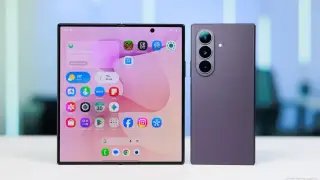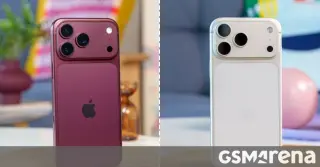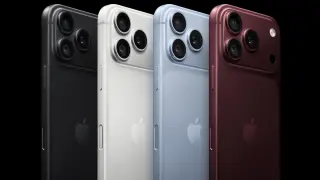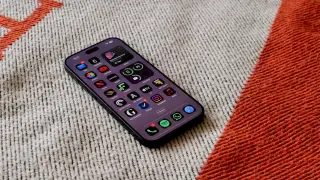
A Digital Chat Station Weibo leak says the iPhone Ultra’s foldable design uses two split batteries rated at 1,921 mAh and 2,962 mAh (roughly 4,883 mAh nominal, ~5,000 mAh typical). The capacity would rival the rumored Galaxy Z Fold8 Ultra, with Apple’s device expected to debut in September alongside the iPhone 18 Pro and Pro Max, with no delay indicated.
A Miami-based Lubavitch Educational Center initiative shares guidance for parenting in the smartphone age, framing technology as a tool to be used mindfully rather than a force that controls behavior. The piece outlines practical steps: limit screen time and keep devices out of bedrooms and mealtimes, use dedicated family phones and screen-free audio or reading devices, apply filters (e.g., Google Family Link, Circle, etc.), and consider managed iPhones with restricted apps. It promotes phone alternatives and emphasizes presence and public-space screens, guided by Rebbe teachings that kedusha should drive technology use. The article highlights MUST (Mothers Unite to Stall Technology) and The Club—programs to keep students smartphone-free or on tight access—and invites other schools to replicate the model. With 175+ participants, the program’s impact grows, including stories of students choosing to stay off smartphones amid peer pressure.
Hands-on with the Trump Mobile T1 shows a $499 Android mid-ranger with a 6.8" OLED, Snapdragon 7 Gen 3, 12GB RAM/512GB storage, 50MP triple cameras, a 3.5mm jack and microSD, and a 33W charger in the box. Yet it’s built with questionable quality, runs Android 15 with no clear update roadmap, includes preinstalled Doctegrity and Truth Social apps, and offers little value against rivals like the Pixel 10a or Nothing Phone 4a Pro. Overall, the review deems the T1 poor and potentially the worst phone of 2026 so far.
A Verge review by Dominic Preston finds the Trump T1 Phone to be a dated, cheaply built device with mediocre performance and limited international support. Despite stock Android, a 3.5mm jack, microSD slot, and ample RAM/storage, the $499 phone feels overpriced and is hampered by sluggish software, a poorly designed camera setup, and uncertain software update plans—marking it more as marketing fodder for Trump Mobile than a capable smartphone.
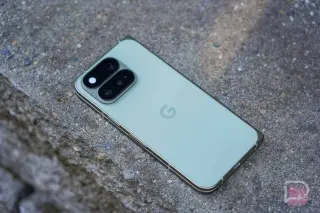
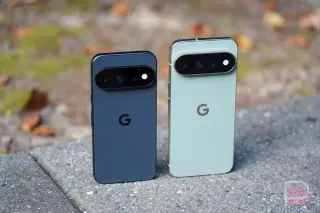
The article argues Google’s Pixel 11 sticks to a software-first approach with only modest hardware upgrades: similar battery capacity (roughly 4.8–5.0 Ah), uncertainly faster charging, Tensor G6 still lagging behind rivals in CPU/GPU performance, incremental camera improvements, and potential RAM cuts. Taken together, this risks leaving Pixel fans with premium pricing but hardware that doesn’t keep pace with competitors.
Renders leaked ahead of Samsung’s July 22 Unpacked show reveal three Galaxy Z Flip 8 colorways—Cream, Graphite, and Pink—with Mint rumored as a possible exclusive; the Flip 8 reportedly sticks to the Flip 7’s design and camera setup, signaling only modest changes as Samsung readies a broader foldable lineup and new Watch models alongside AI features.
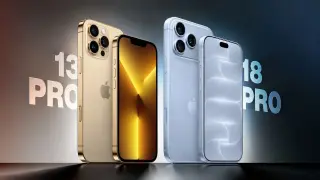
A China-sourced report claims Apple’s iPhone Ultra, the company’s first foldable, will launch on time in September alongside the iPhone 18 Pro and iPhone 18 Pro Max, with design finalized and mass production underway; initial supply is expected to be limited.
Google will unveil the Pixel 11 lineup on August 12 at 6 p.m. ET in New York City, with rumors pointing to four devices (Pixel 11, Pixel 11 Pro, Pixel 11 Pro XL, and Pixel 11 Pro Fold) and a Pixel Watch 5; the timing places the event ahead of Apple's fall iPhone reveal as Samsung gears up for new foldables.
Google will unveil the next Pixel lineup at an August 12 evening launch (6 PM ET); rumors suggest base storage starting at 256GB with potential price increases, uncertain RAM changes, and modest Tensor processor updates, with official details due on event day.
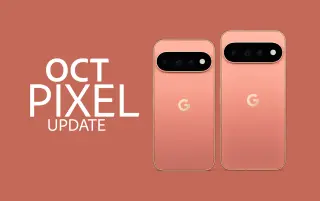
Google has a Made By Google event planned for August 12 in NYC to unveil the Pixel 11 lineup, with rumors of higher starting prices, a new Pixel Glow rear light, a shift to 256GB base storage, and a possible Pixel Watch 5.
Apple’s iPhone Air 2 is rumored for an early-2027 launch, featuring a redesigned Face ID integration with dual 48MP rear cameras (primary and ultra-wide), a titanium chassis, new color options, and a next-gen 2nm chip for improved performance and efficiency. The leak also suggests Apple will streamline its lineup to iPhone, iPhone Pro, and iPhone Ultra, with John Turnis set to become CEO in 2026.
Online discussions crown Samsung and Google Pixel as the most reliable Android phones, thanks to solid hardware and long, consistent software support (Samsung reportedly up to seven years of updates; Pixel with a similar lifecycle). OnePlus and Motorola are seen as credible contenders but generally offer shorter update cycles (OnePlus four major OS updates for flagships; Motorola around three years of security), making Samsung and Pixel the clearest choices for longevity.
A Digital Trends feature recalls how the iPhone Air, praised for its slim, one-handed usability, struggles in extreme heat: once temperatures rise past about 95°F (and ambient temps exceed 100°F), the phone can overheat, trigger cooling warnings, and experience rapid, often irreversible battery drain. The piece advises practical steps to protect the battery—stay out of direct sun, don’t chill it in the fridge, use gradual cooling, and opt for slower charging since fast charging adds more heat—highlighting how heat can erase the benefits of a compact design and force more frequent recharging in summer.
A practical checklist for buying a phone that stays usable for years: prioritize a long update policy (top brands offer up to seven years of OS/security updates), check battery cycle ratings (Samsung leads with around 2,000 cycles, Pixel about 1,000), opt for a large battery (5,000mAh+), ensure ample storage (256GB base recommended, with microSD where available), demand solid performance (modern chips and 8GB RAM or more), consider durability (strong glass like Victus and solid IP ratings), and verify repairability/spare-parts access (official repair networks or easy DIY options).
Android Authority notes that smartphones now last longer than ever, but by 2026 upgrades still pay off for better battery life, displays, cameras and longer software lifecycles. Their guide covers upgrading from Google Pixel 7 Pro to Pixel 10 Pro/10 Pro XL, from Samsung Galaxy S22 Ultra to Galaxy S26 Ultra (with seven years of updates), from Razr Plus (2023) or Razr Ultra (2026) to newer Razr models, from Pixel 7a to Pixel 10a, from Galaxy A54 to Galaxy A57 5G, and from Moto G Power (2024)—though the editor says the 2026 model isn’t compelling enough yet. The piece emphasizes longer update cycles and stronger hardware make upgrades personal and often price-dependent.