
Nvidia RTX Spark Launches: Arm-Based Laptops Target Local AI, Not Gaming
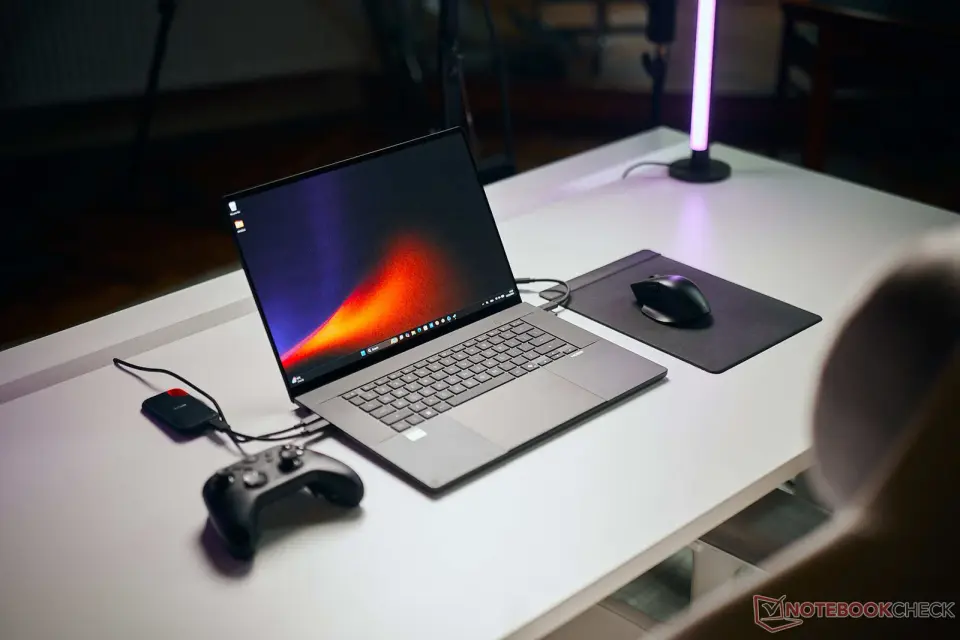
Nvidia has launched the RTX Spark platform, featuring Windows laptops powered by the Arm-based N1X superchip. These devices combine a Grace CPU and Blackwell GPU with up to 128GB of unified memory, targeting local AI and creative workloads. While performance is strong, high prices and thermal issues have limited initial sales.
Key points
- The RTX Spark N1X chip features up to 20 Arm cores and a Blackwell GPU with 6,144 CUDA cores, offering performance comparable to an RTX 5070 but with significantly more memory.
- Laptops from Asus, Dell, HP, Lenovo, Microsoft, and MSI start at $2,399, with top-tier models exceeding $6,000, making them a premium niche product.
- The platform supports up to 128GB of unified memory, enabling local inference of large AI models without cloud dependency, a key selling point for privacy-conscious users.
- Launch events in Berlin, Beijing, Seoul, and other cities drew large crowds, but sales have been limited due to the high cost and thermal constraints of the devices.
- Nvidia is positioning RTX Spark as a competitor to Apple’s M-series chips, leveraging its CUDA ecosystem and AI capabilities to attract developers and creative professionals.
Background
Nvidia had previously delayed its next-generation laptop GPU launch due to memory price increases and lack of competition from AMD. The RTX Spark platform, based on the GB10 chip from the Linux-based DGX Spark, represents a strategic shift toward Arm-based Windows devices. This move aims to capitalize on the growing demand for local AI and to challenge Apple’s dominance in premium portable computing.
How outlets are covering it
Notebookcheck highlights the potential for Nvidia to dominate the laptop GPU market by bundling CPU and GPU, potentially eliminating standalone graphics chips. The Register emphasizes the high price and thermal issues, noting that while performance is strong, the devices are not a good deal for most consumers. ServeTheHome focuses on the strategic move to Arm-based Windows, positioning RTX Spark as a competitor to Apple’s M-series chips. Nvidia’s own blog celebrates the launch with global events, emphasizing the platform’s AI capabilities and community engagement.
Why it matters
The RTX Spark launch signals a shift in the laptop market toward Arm-based devices for AI and creative workloads. While high prices and thermal issues limit mass adoption, the platform could reshape the competitive landscape by challenging Apple and potentially reducing the need for standalone laptop GPUs. This move also highlights the growing importance of local AI and privacy in consumer technology.
What to watch
Nvidia is expected to integrate the next generation of graphics hardware into future RTX Spark chips, potentially eliminating standalone laptop GPUs. The company will likely continue to push local AI capabilities and expand its ecosystem to attract more developers and creative professionals. The market response to high prices and thermal issues will determine the long-term success of the platform.
- Nvidia RTX Spark - The future of gaming laptops? Notebookcheck
- RTX Spark Ignites Global Celebration as New Windows PCs Arrive NVIDIA Blog
- Benchmarked: Nvidia's RTX Spark notebook delivers serious local AI compute, at a price The Register
- NVIDIA RTX Spark N1X Launch Overview: NVIDIA Arms Windows ServeTheHome
- RTX Spark laptops are being called MacBook Pro killers for AI and creators — here’s why reviewers are impressed Windows Central
Want the full story? Read the original reporting
Read on Notebookcheck