
Xbox Helix to Prioritize Neural Rendering and Console UX Over PC Compatibility
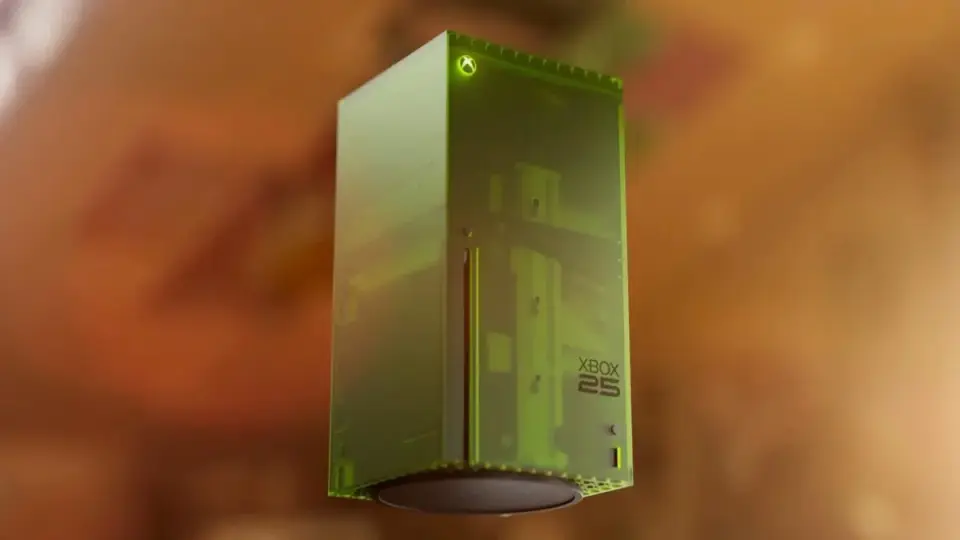
Microsoft has detailed its next-generation console, Project Helix, emphasizing a console-first experience that supports PC games without becoming a PC. The device will rely heavily on neural rendering to maintain affordability and visual fidelity, with a release potentially delayed until 2028 due to component shortages.
Key points
- Project Helix is designed as a console that can play PC games, not a PC that plays console games, according to Xbox VP Jason Ronald.
- The console will utilize neural rendering to enhance visual fidelity without requiring increased computational power or memory, helping to manage costs.
- Xbox aims to unify four generations of its library, allowing instant access to past and current games, though specific backward compatibility details remain limited.
- The device will feature a custom user interface distinct from Windows 11, drawing inspiration from the Xbox Ally handheld but not relying on a Windows-based OS.
- No official price or release date has been announced, but industry rumors suggest a 2028 launch due to ongoing memory shortages and component pricing crises.
Background
Microsoft previously confirmed in November 2026 that Project Helix would feature a custom AMD Magnus chip and hybrid memory. Earlier reports indicated that component shortages, particularly in RAM, were driving innovation in rendering technologies to keep hardware costs manageable. The company has also been working on unifying game libraries across platforms, a strategy that has been tested through the Xbox Ally handheld.
How outlets are covering it
Gizmodo highlights the heavy reliance on upscaling and neural rendering as a key differentiator, noting that Xbox is moving away from traditional metrics like 8K resolution. TechPowerUp emphasizes the technical implications of neural rendering, suggesting it could significantly lower hardware costs by reducing memory and compute demands. Windows Central focuses on the philosophical distinction between a console and a PC, noting that while Helix can run PC games, it is not designed as a PC. Pure Xbox provides a comprehensive overview of the 25th Anniversary magazine, highlighting the emphasis on community feedback and the 'ultimate gaming machine' concept. All sources agree that no concrete price or release date has been provided, but there is a consensus that the device will be expensive and potentially delayed.
Why it matters
The shift toward neural rendering and a console-first experience signals a major change in how next-generation consoles will be designed, prioritizing cost-efficiency and user experience over raw hardware specifications. This could impact the gaming industry by setting new standards for how AI is integrated into hardware and how backward compatibility is handled. The potential delay until 2028 also suggests that component shortages will continue to affect the gaming hardware market in the near term.
What to watch
Microsoft is expected to provide more details on Project Helix's price and release date in the coming months. The company may also announce a new Xbox handheld in 2027, as suggested by rumors. The integration of neural rendering and the unification of game libraries will likely be key features in future marketing and development updates.
- 7 Things We Just Learned About the Next-Gen Xbox Gizmodo
- Neural Rendering Could Keep Xbox Project Helix Affordable TechPowerUp
- Microsoft says Xbox Helix is a console, not a PC — but it will be able to play your PC games: "It is not a PC that can also play console games" Windows Central
- 'The Ultimate Gaming Machine' - Xbox Reveals Tons Of New Project Helix Information Pure Xbox
- Neural Rendering Could Help XBOX Project Helix’s Affordability Insider Gaming
Want the full story? Read the original reporting
Read on Gizmodo